

Outdoor Picnic Table Buying Guide
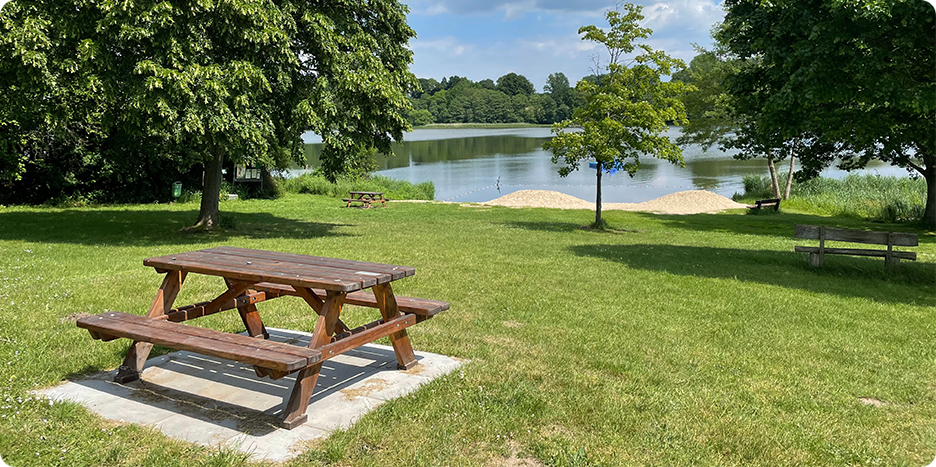
Wooden picnic tables offer a familiar look for parks, campgrounds, schools, and commercial outdoor spaces. However, the right lumber depends on weather exposure, budget, appearance, and how the table is constructed.
So, what is the best wood for outdoor picnic tables? Compare six common options, learn how treatment affects durability, and see which choices make sense for different settings.
The Short Answer
Pressure-treated Southern Yellow Pine is a strong overall value for exposed commercial seating. Western Red Cedar offers a distinctive natural appearance and decay-resistant heartwood. Untreated Southern Yellow Pine is better suited to covered locations. Premium hardwoods such as teak offer additional choices at higher prices.
What Makes Wood Suitable for Outdoor Picnic Tables?
The most important considerations are resistance to decay and insects, structural strength, dimensional stability, and cost. The wood's grade, preservative treatment, fastening methods, and exposure to standing moisture also influence performance. A well-built table with appropriate drainage and hardware can be a better purchase than one chosen by species name alone.
The 6 Best Types of Wood for Outdoor Picnic Tables
1. Pressure-Treated Southern Yellow Pine
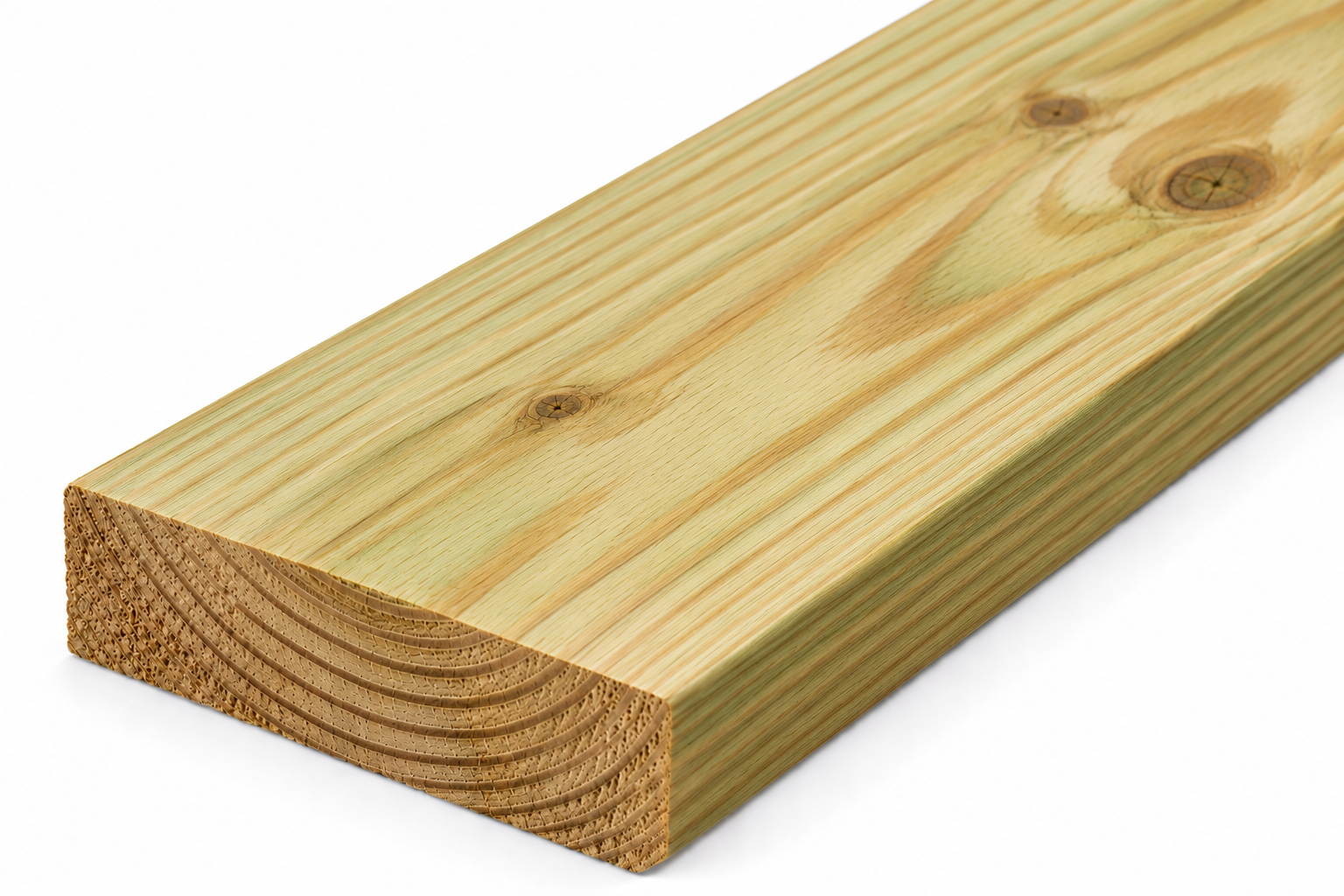
Best Overall Commercial ValuePressure-treated Southern Yellow Pine is one of the most practical choices for commercial outdoor picnic tables because it combines structural strength, affordability, and protection against outdoor deterioration. The pressure-treatment process introduces preservatives into the wood to help resist decay and wood-damaging insects, making it particularly suitable for tables exposed to rain, humidity, and changing weather conditions. Its strength allows it to support sturdy seating and tabletop construction, while its widespread availability makes it an economical option for parks, campgrounds, and other high-use environments. Although the wood can develop surface checks or experience some movement as it weathers, proper construction, finishing, and routine maintenance help preserve its appearance and performance.
- Advantages: Economical, strong, and widely available.
- Considerations: Can check or warp as it dries; treatment must suit the exposure.
- Best for: Parks, campgrounds, and exposed commercial seating.
2. Western Red Cedar
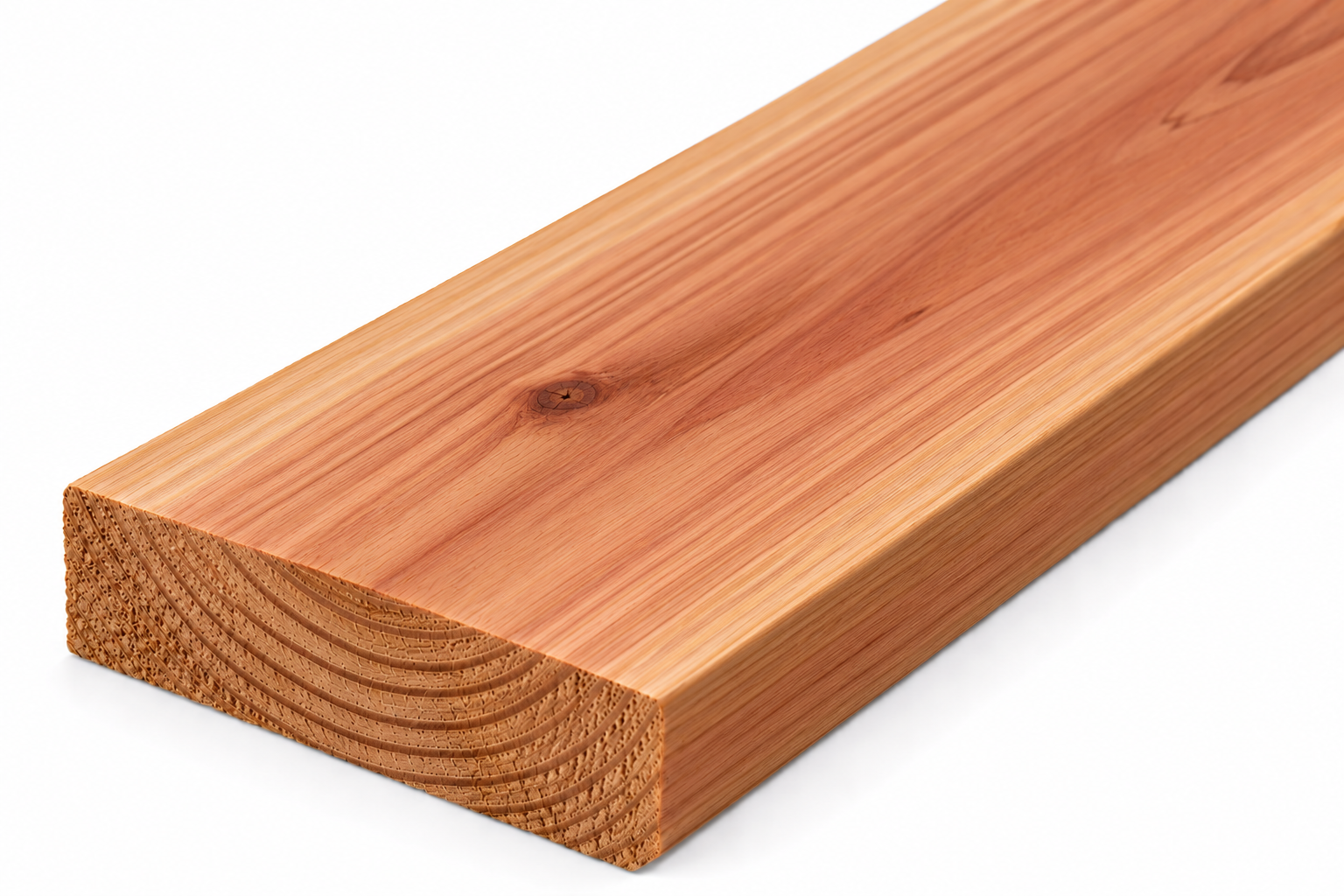
Best Natural Wood AppearanceWestern Red Cedar is a popular choice for outdoor picnic tables because of its warm reddish-brown tones, attractive grain patterns, and naturally decay-resistant heartwood. Unlike pressure-treated lumber, cedar's natural durability comes from compounds within the heartwood that help resist moisture-related decay, making it appealing for outdoor settings where a natural wood appearance is preferred. Its relatively lightweight construction and dimensional stability also make cedar suitable for picnic tables in landscaped courtyards, nature centers, and scenic gathering areas. However, cedar is softer than many other wood options and can be more susceptible to dents and surface wear, so it is often best suited for locations where appearance is a priority.
- Advantages: Attractive grain and natural heartwood durability.
- Considerations: Softer surface and typically higher cost than pine.
- Best for: Nature centers and landscaped outdoor settings.
3. Untreated Southern Yellow Pine
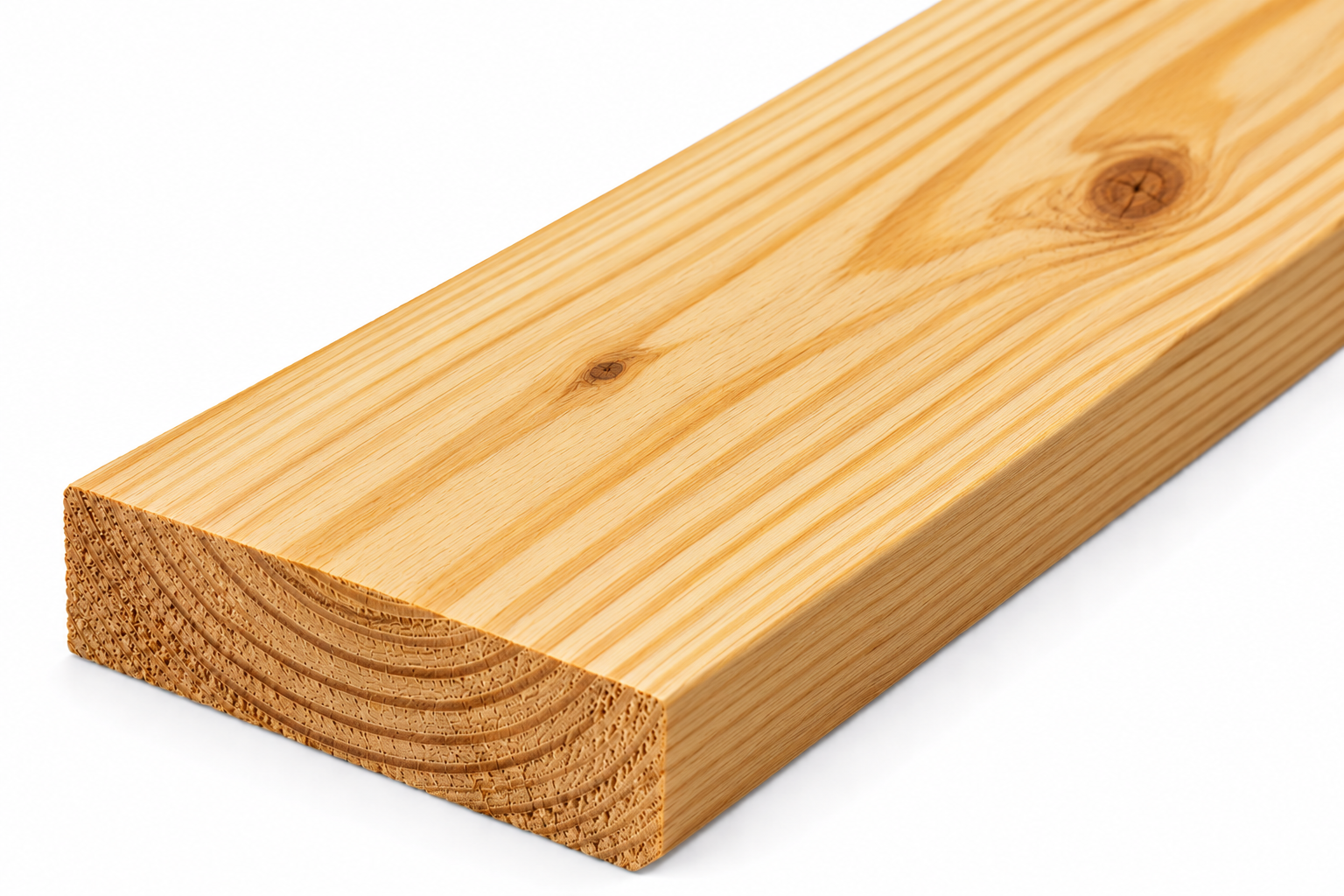
Best for Sheltered SettingsUntreated Southern Yellow Pine offers dependable structural strength, an attractive golden wood appearance, and a relatively low initial cost, making it a practical option for picnic tables in sheltered environments. Unlike pressure-treated pine, it does not contain added preservatives to protect against decay and wood-damaging insects, so prolonged exposure to rain and damp conditions can shorten its useful service life. Covered pavilions, protected dining areas, and other locations with limited direct weather exposure are better suited to this wood, particularly when a traditional appearance and budget-friendly construction are priorities. However, even covered locations can experience humidity, wind-driven rain, and condensation, making protective finishing, proper drainage, and routine maintenance important for long-term performance.
- Advantages: Affordable and easy to finish.
- Considerations: More vulnerable to moisture and insects outdoors.
- Best for: Covered pavilions and protected dining areas.
4. Redwood
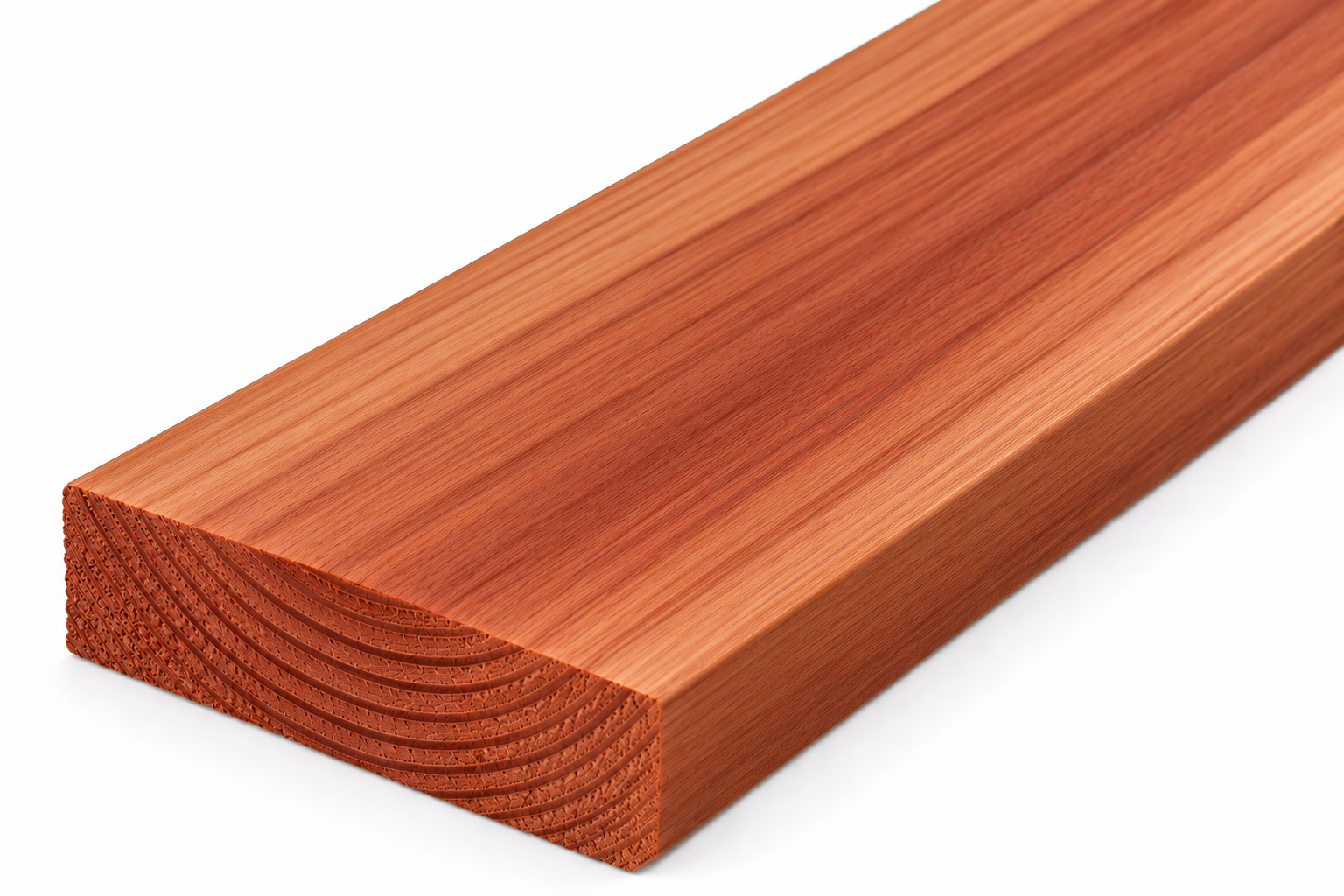
Redwood is an attractive option for outdoor picnic tables because of its rich reddish coloring, relatively straight grain, and the natural decay resistance found in durable heartwood grades. Its distinctive appearance makes it especially appealing for picnic tables installed in landscaped gardens, scenic recreation areas, and outdoor hospitality spaces where visual presentation matters. Redwood is also relatively lightweight and dimensionally stable, helping reduce some of the twisting and warping concerns associated with other wood species when properly selected and maintained. However, its durability varies by lumber grade and heartwood content, while regional availability and higher material costs can make it less economical than pressure-treated pine.
- Advantages: Distinctive appearance and durable heartwood.
- Considerations: Grade, availability, and price vary.
- Best for: Decorative landscapes and premium outdoor areas.
5. Teak
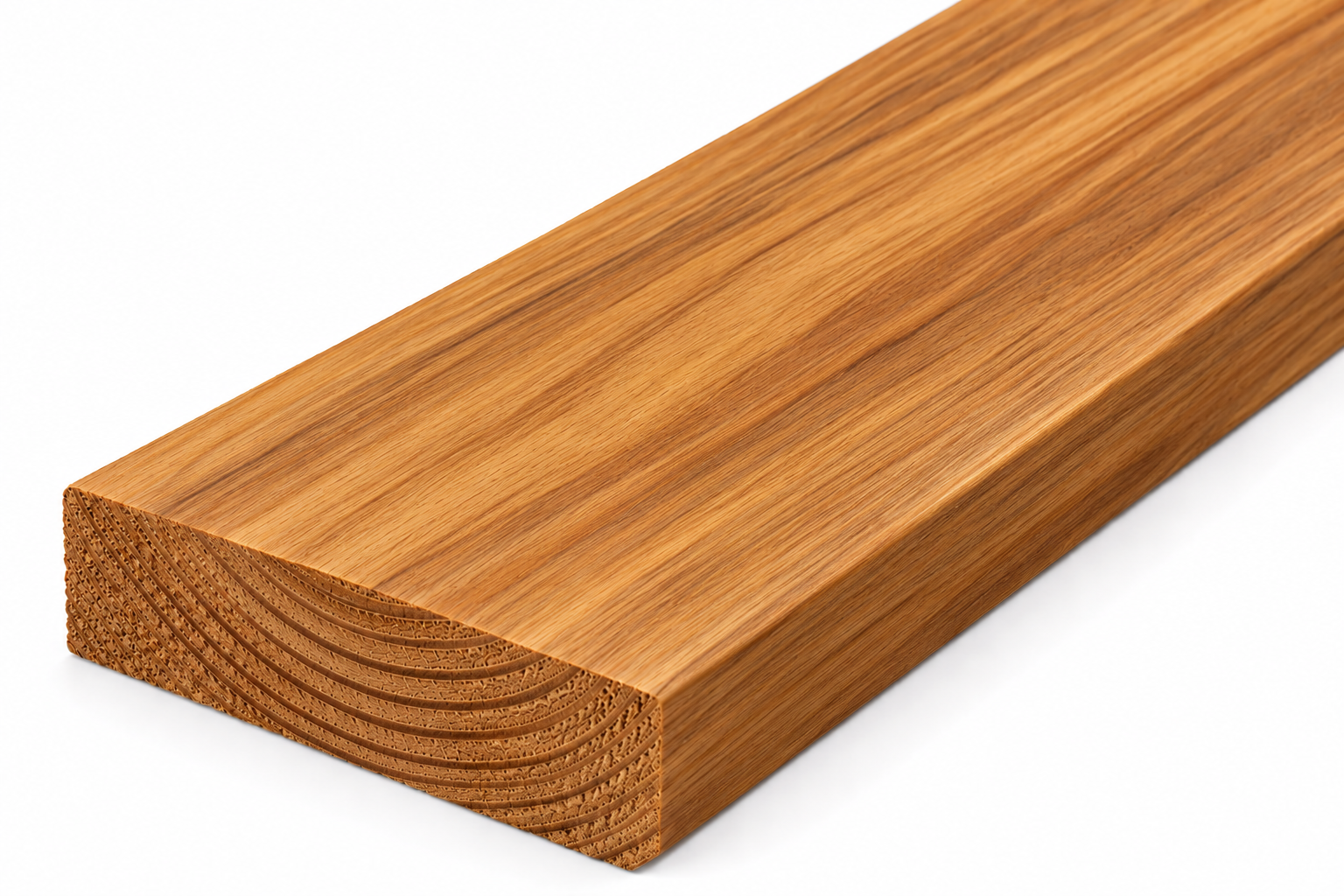
Teak is a premium hardwood recognized for its exceptional natural durability, attractive golden-brown coloring, and ability to withstand demanding outdoor conditions when high-quality heartwood is used. Its natural oils and other protective compounds contribute to resistance against moisture-related decay, while its dimensional stability makes it particularly desirable for outdoor furniture exposed to seasonal weather changes. These characteristics make teak an appealing choice for upscale resorts, luxury hospitality properties, and premium outdoor dining areas where appearance and long-term material performance are important considerations. Although teak can provide excellent outdoor service, its considerably higher purchase price and the importance of responsible sourcing make it a specialized choice rather than the most economical option for large commercial installations.
- Advantages: Strong natural decay resistance and stability.
- Considerations: High purchase cost and sourcing considerations.
- Best for: Upscale hospitality and specialty installations.
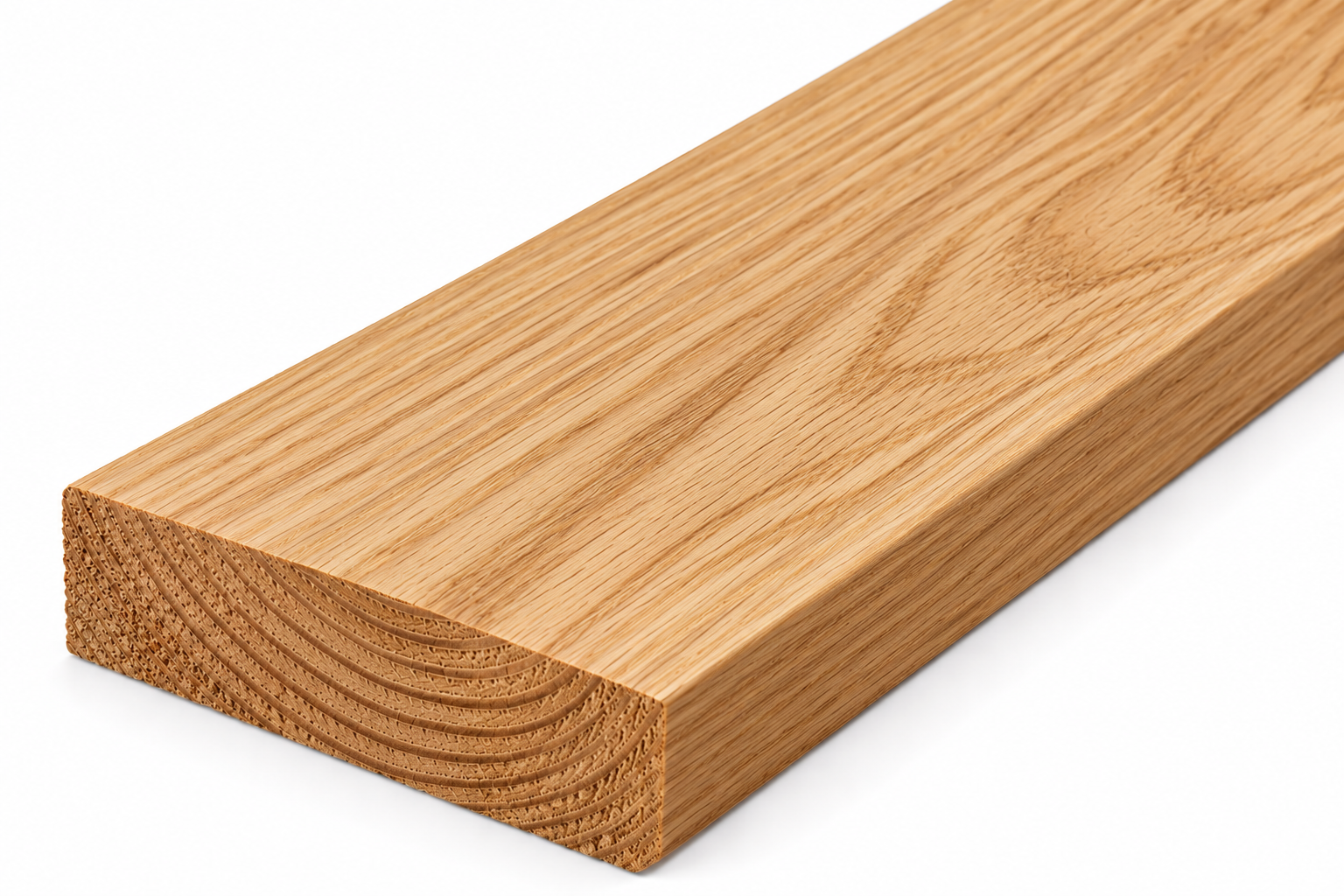
6. White Oak
White Oak is a dense, strong hardwood that offers excellent structural strength, an attractive natural grain, and useful decay resistance in its heartwood. Its relatively low permeability and durable heartwood make it a potential option for outdoor picnic tables when appropriate lumber selection, construction methods, and moisture management are used. The wood's hardness provides good resistance to dents and everyday surface wear, making it appealing for specialty picnic tables and custom outdoor furniture where substantial construction is desired. However, White Oak is heavier and often more expensive than common softwoods, and its tendency to expand and contract with moisture changes requires careful attention to joinery, fastening, and finishing.
- Advantages: Strength, hardness, and distinctive hardwood grain.
- Considerations: Weight, cost, and moisture movement.
- Best for: Specialty or custom outdoor furniture.
Pressure-Treated vs. Naturally Decay-Resistant Wood
Pressure-treated wood gains protection from preservatives applied to the lumber. Naturally decay-resistant wood, including cedar, redwood, and teak, relies on properties found primarily in its heartwood. Sapwood from the same tree may be much less durable.
Both categories benefit from routine inspection. When selecting a picnic table, consider lumber quality, moisture exposure, insect resistance, and the manufacturer's intended use rather than relying on the species name alone.
Outdoor Picnic Table Wood Comparison Chart
| Wood | Biggest Advantage | Main Consideration | Recommended Use |
|---|---|---|---|
| Pressure-Treated Pine | Practical outdoor protection and price | Weathering and proper treatment rating | Exposed commercial sites |
| Western Red Cedar | Natural appearance and durable heartwood | Softer surface and cost | Scenic outdoor settings |
| Untreated Yellow Pine | Low initial cost | Limited natural decay resistance | Covered locations |
| Redwood | Rich color and durable heartwood | Availability and grade | Premium landscapes |
| Teak | Excellent natural durability | Premium price | Luxury outdoor seating |
| White Oak | Hardness and strength | Weight and moisture movement | Specialty furniture |
These are general comparisons, not guarantees of lifespan. Performance depends on lumber grade, construction, exposure, and care.
Choosing Picnic Table Wood by Climate
Climate plays an important role in how outdoor wooden picnic tables weather over time. Consider local temperature changes, moisture exposure, and environmental conditions when selecting the right wood for your facility.

Wet & Humid Climates
Frequent rainfall and high humidity can increase the risk of wood decay and moisture-related damage. Pressure-treated Southern Yellow Pine or naturally decay-resistant heartwood, such as cedar, are practical options. Proper drainage and routine maintenance help minimize prolonged moisture exposure.
Hot & Sunny Climates
Prolonged sunlight and high temperatures can cause wood to fade, dry out, and develop surface checks. Cedar, redwood, and pressure-treated pine can be suitable choices when properly maintained. Providing shade and applying appropriate exterior finishes can help preserve the wood's appearance.

Cold & Freezing Climates
Seasonal moisture changes and repeated freezing and thawing can place stress on wooden picnic tables. Properly treated pine and durable heartwood options can perform well when paired with sound construction. Inspect joints, fasteners, and protective finishes after winter to identify potential damage.

Coastal Environments
Salt air, humidity, and frequent wind-driven rain create challenging conditions for outdoor furniture. Select wood appropriate for prolonged outdoor exposure and prioritize corrosion-resistant hardware, such as suitable stainless steel fasteners. Protective frame finishes and routine cleaning help maintain the table's condition.
Does Picnic Table Frame Construction Matter?
Absolutely. The frame plays an important role in a picnic table's stability, durability, and long-term performance. While wood selection affects appearance and weather resistance, frame construction determines how the table supports weight, handles frequent use, and withstands outdoor conditions.
All-Wood Frames
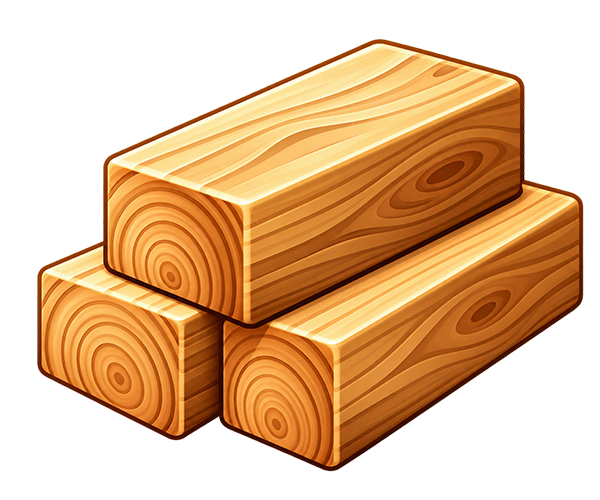
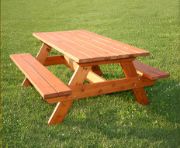
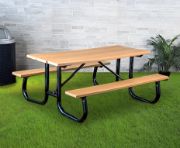
All-wood frames provide a traditional appearance that complements wooden tabletops and benches. They are a natural fit for campgrounds, rustic recreation areas, and scenic outdoor settings. Proper bracing, weather-resistant fasteners, and protection against ground moisture are important for long-term stability.
Bolted Galvanized Steel Frames
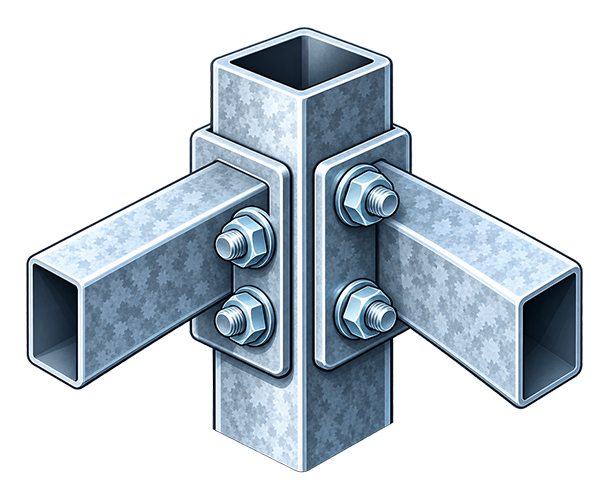
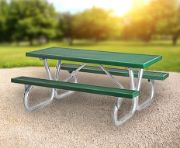
Bolted galvanized steel frames combine structural support with mechanical connections that can be inspected, tightened, or serviced when needed. The galvanized finish helps protect the steel against corrosion, making these frames practical for commercial picnic tables exposed to changing weather conditions. Proper assembly and periodic hardware inspections remain important.
Welded Galvanized Steel Frames
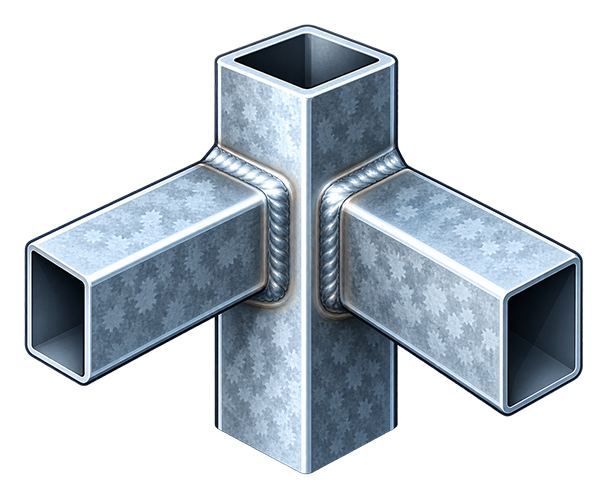
Welded galvanized steel frames feature rigid, permanently joined connections that provide dependable support for heavily used picnic tables. Their sturdy construction makes them suitable for parks, public gathering areas, and other demanding commercial environments. Weld quality, corrosion protection, and proper anchoring should all be considered when evaluating long-term performance.
Compare available frame styles, seating configurations, and wood options in our commercial wooden picnic table collection.
Should You Choose Recycled Plastic Instead of Wood?
Recycled plastic lumber offers a wood-like appearance without natural wood rot or splintering and generally requires less finishing maintenance. It may cost more upfront and must be properly supported to account for material movement and bending. Choose natural wood for authentic grain and traditional character; consider recycled plastic where lower routine upkeep is a priority.
For a broader comparison, see What Is the Best Material for a Commercial Picnic Table?
Which Wood Offers the Best Long-Term Value?
Compare more than purchase price. Consider the table's expected exposure, maintenance labor, hardware, repairability, and replacement costs. Pressure-treated pine is often a strong value for everyday commercial use, while cedar may justify a higher price when natural appearance matters.
For cleaning, finishing, and protection advice, see How to Make Your Wooden Picnic Table Last for Decades.
Commercial Wooden Picnic Table Buying Checklist
- Location: Will the table sit in full weather, under a roof, or near persistent ground moisture?
- Wood selection: Is the lumber treated appropriately or naturally durable for its intended exposure?
- Construction: Are the frame, braces, and fasteners suitable for commercial use?
- Accessibility: Are accessible seating positions and routes included where required?
- Installation: Is anchoring necessary, and what customer assembly or installation is required?
- Ownership cost: What upkeep and component replacement might be needed over time?
Key Takeaways: Which Wood Should You Choose?
For many exposed commercial applications, pressure-treated Southern Yellow Pine offers a strong balance of durability and affordability. Choose Western Red Cedar when natural appearance is a priority, or untreated Southern Yellow Pine for appropriately sheltered installations. Redwood, teak, and White Oak may suit specialty projects. Always assess the complete picnic table design—not just the wood species.
Frequently Asked Questions
What is the best wood for an outdoor picnic table?
Pressure-treated Southern Yellow Pine is a practical overall choice for many commercial sites. Cedar is an attractive alternative when natural heartwood durability and appearance matter.
Is cedar better than pressure-treated pine?
Neither is universally better. Treated pine is often more economical and strong; cedar offers distinctive appearance and naturally decay-resistant heartwood.
Can untreated pine be used outdoors?
Yes, but it is more vulnerable to decay and is better suited to covered settings or applications with suitable protective finishing and upkeep.
Which wood is naturally resistant to rot?
Teak, cedar, redwood, and White Oak have varying levels of natural decay resistance in their heartwood. Grade and exposure still matter.
Do pressure-treated picnic tables require maintenance?
Yes. Treatment helps protect against decay and insects but does not eliminate weathering, cleaning, or structural inspections.
Is recycled plastic better than wood?
Recycled plastic generally needs less finishing maintenance and will not rot like wood. Natural wood offers authentic grain and can cost less initially.
Find the Right Wooden Picnic Table for Your Outdoor Space
From pressure-treated pine to naturally attractive cedar, the right commercial picnic table should fit your location, seating needs, and maintenance expectations. Explore our selection of wooden picnic tables sourced from established manufacturers.
Leave your comment