
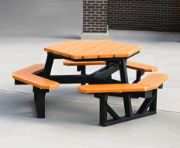


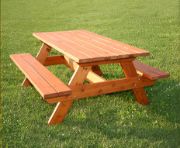
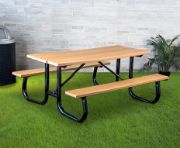
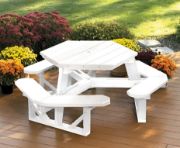






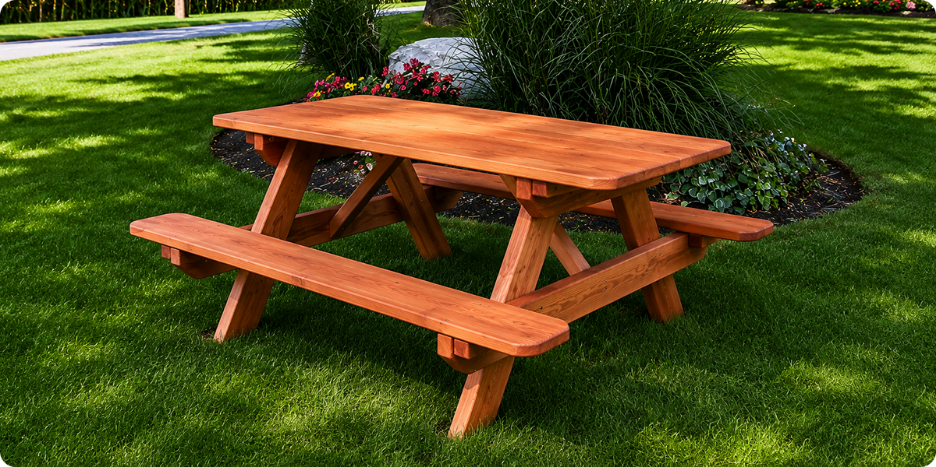
A quality commercial wooden picnic table can last 10 to 20 years or more with routine maintenance. The key is protecting it from the sun, moisture, and daily wear before small problems become costly repairs.
This guide covers everything you need to know to keep your wooden picnic table looking great, performing safely, and lasting as long as possible in parks, schools, campgrounds, HOA common areas, restaurants, and other commercial outdoor spaces.





Why Wooden Picnic Table Maintenance Matters?
Wood gives picnic tables a classic, natural appearance, but it is also affected by outdoor conditions. Sunlight can dry the surface, rain can penetrate unprotected boards, and debris can trap moisture against the wood. Over time, these conditions may lead to fading, cracking, splintering, mold, mildew, and rot.
Routine maintenance protects the surface, preserves the appearance, and helps keep the table structurally sound. For commercial locations, it also helps create a cleaner and more welcoming experience for guests, students, campers, residents, and visitors.
 Helpful Tip: A wooden picnic table should be checked seasonally, especially before peak use periods and after harsh winter weather.
How Long Do Wooden Picnic Tables Last?
The lifespan of a wooden picnic table depends on the wood species, climate, installation location, and how well it is maintained.
With proper care, most commercial wooden picnic tables can last for many years while still providing a natural and attractive appearance.
Average Lifespan of Outdoor Picnic Table Materials
The Best Woods for Outdoor Picnic Tables
| Material | Maintenance Level | Best Use |
|---|---|---|
| Untreated Softwood | High | Light-use or covered areas |
| Pressure-Treated Pine | Moderate | Schools, parks, and general use |
| Cedar | Low to Moderate | Parks, campgrounds, natural settings |
| Ipe or Hardwood | Low to Moderate | Resorts and upscale outdoor properties |
 Regular cleaning, protective finishes, and routine inspections are the keys to maximizing the life of your wooden picnic table.
Seasonal Maintenance Schedule
 SPRINGClean the table, inspect for winter damage, tighten hardware, and check for splinters.
 SUMMERWatch for fading, dryness, mold, mildew, and high-use wear.
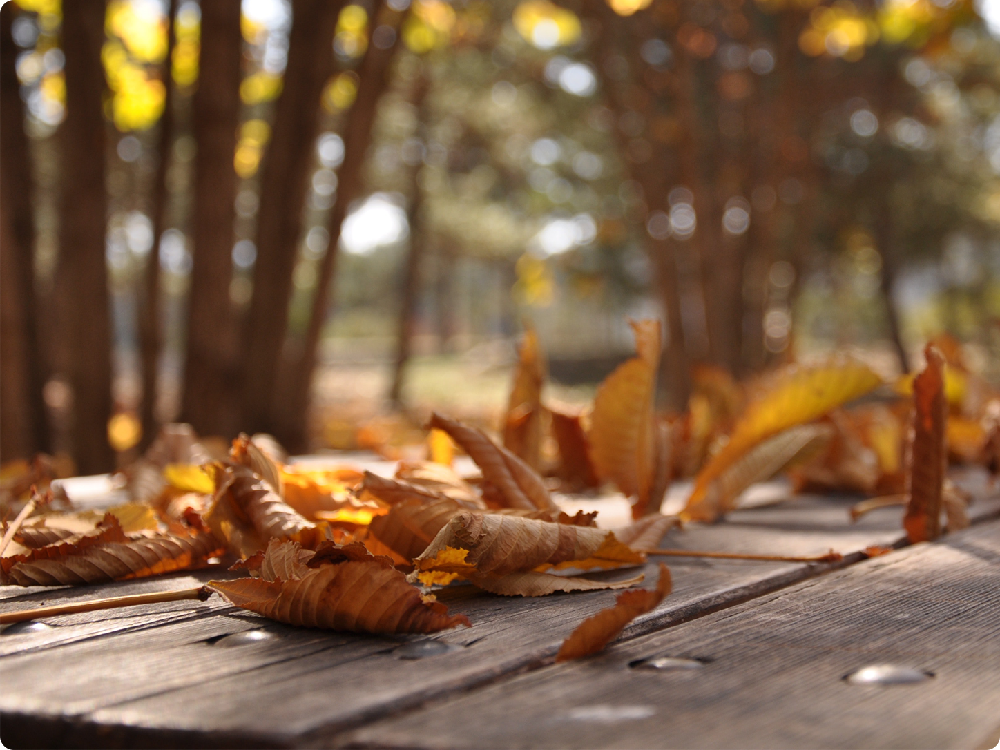
 FALL Remove leaves and debris, clean the surface, and prepare for colder weather.
 WINTERCover or store tables when possible and avoid snow or ice buildup.
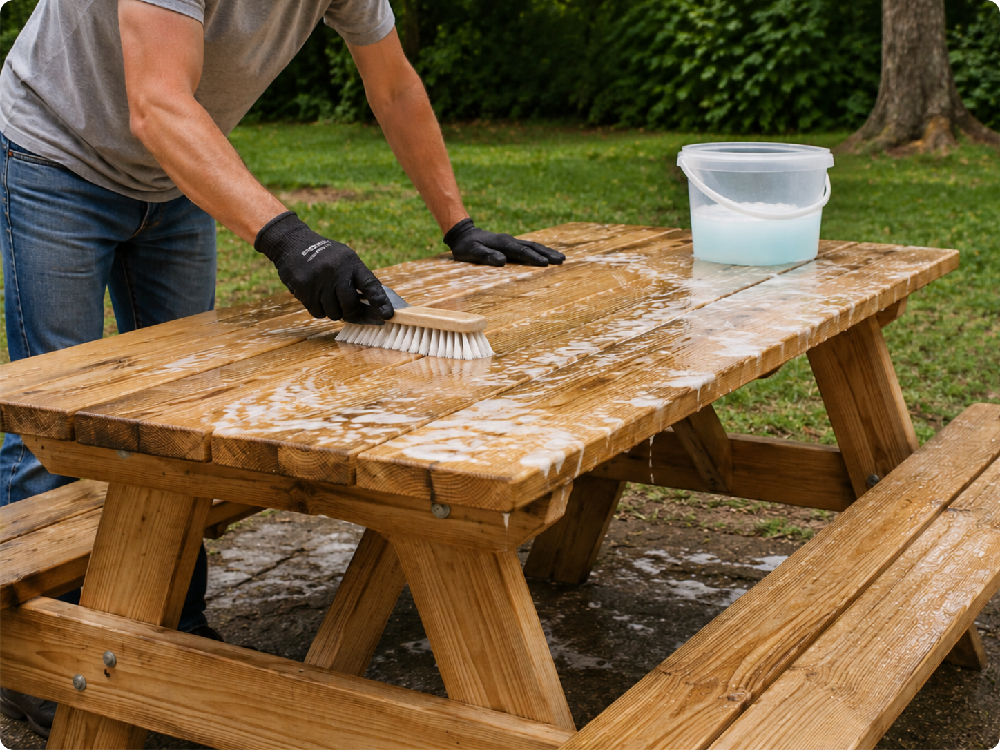
How to Clean a Wooden Picnic Table?
Should You Paint, Stain, or Seal Your Picnic Table?
| Finish | Protection | Maintenance | Appearance | Best For |
|---|---|---|---|---|
| Paint | Strong UV & Moisture | Higher | Solid Color | High-sun areas |
| Exterior Stain | Good UV & Moisture | Moderate | Natural Wood Grain | Most outdoor environments |
| Clear Sealer | Moisture Protection | Moderate | Natural Wood Look | Covered or mild climates |
 Best Overall Option: For most commercial settings, an exterior stain with sealer provides the best balance of protection, appearance, and value.
What Damages Wooden Picnic Tables?
 UV Exposure
Sunlight dries wood and causes fading and cracks.

Moisture
Rain and humidity can penetrate unprotected wood and cause rot.

Debris
Leaves and dirt trap moisture and promote decay.
 Mold, Mildew, & Pests
Persistent moisture can encourage mold, mildew, decay conditions, and some types of insect activity.
Loose Hardware
Loose bolts create stress on wood components.
Signs Your Wooden Picnic Table Needs Maintenance
Wooden picnic tables often show warning signs before major damage occurs. Performing a quick inspection several times a year can help you identify minor issues early and prevent costly repairs or premature replacement.
Watch for these common signs that your picnic table may need maintenance:
- Fading or Graying Wood: Sun exposure can cause the wood to lose its color and protective finish.
- Water Soaks Into the Surface: If water no longer beads on the wood, it may be time to reapply a stain or sealer.
- Splinters or Small Cracks: Rough spots and cracks can worsen if left untreated.
- Loose Hardware or Wobbling: Tightening bolts and screws can help prevent additional stress on the table.
- Soft Spots or Rot: Moisture damage can weaken boards and may require plank replacement.
- Mold, Mildew, or Insect Activity: Repeated surface growth, sawdust-like debris, small holes, mud tubes, or unusual insect activity should be investigated.
- Warped or Separating Boards: Boards that are twisting or pulling away from the frame should be inspected and repaired promptly.
Helpful Tip: If you notice one or more of these warning signs, addressing the issue early can help extend the life of your wooden picnic table and prevent more extensive repairs later.How to Spot Insect Damage on a Wooden Picnic Table?
Small holes, sawdust-like debris, mud tubes, soft or hollow wood, and unusual insect activity can indicate a potential pest problem. Pay particular attention to damaged or deteriorating areas and inspect the surrounding wood for signs that the problem extends beyond the surface.
Learn how to identify common wood-damaging insects, recognize where rot typically begins, reduce moisture problems, and determine what to do when damage is discovered in our guide to protecting wooden picnic tables from insects and rot.
Can Wooden Picnic Tables Be Repaired?
One of the biggest advantages of wooden picnic tables is that many components can be repaired or replaced rather than replacing the entire table. With routine inspections and timely repairs, a commercial wooden picnic table can often provide many additional years of service.
Small issues such as loose hardware, cracked boards, or splintering can usually be addressed quickly and at a relatively low cost. However, widespread rot or major structural damage may indicate that replacement is the safer and more economical option.
Common Wooden Picnic Table Repairs
| Issue | Possible Repair | Recommended Action |
|---|---|---|
| Loose Hardware | Tighten or replace bolts and screws | Repair Immediately |
| Surface Splinters | Sand and refinish the area | Repair Immediately |
| Cracked Planks | Replace damaged boards | Repair if damage is isolated |
| Minor Rot | Replace affected planks | Inspect the surrounding wood carefully |
| Frame Damage | Replace frame components if available | Evaluate replacement costs |
| Widespread Rot | Major reconstruction required | Consider replacing the entire table |
When Should You Replace Wooden Planks?
Individual planks should be replaced if they have:
- Deep cracks that extend through the board.
- Large splinters that create safety concerns.
- Soft spots caused by moisture or insect damage.
- Excessive warping or twisting.
- Rot that cannot be repaired through sanding or refinishing.
- Broken or weakened attachment points around hardware.
Helpful Tip: Replacing a few damaged boards is often much more economical than replacing an entire picnic table, especially when the frame and remaining planks are still structurally sound.Common Maintenance Mistakes to Avoid
- Using bleach or harsh chemicals
- Pressure washing with too much force
- Allowing leaves or debris to sit on the table
- Leaving tables in standing water
- Ignoring loose bolts or screws
- Never resealing or restaining the wood
When Should You Replace Your Picnic Table?
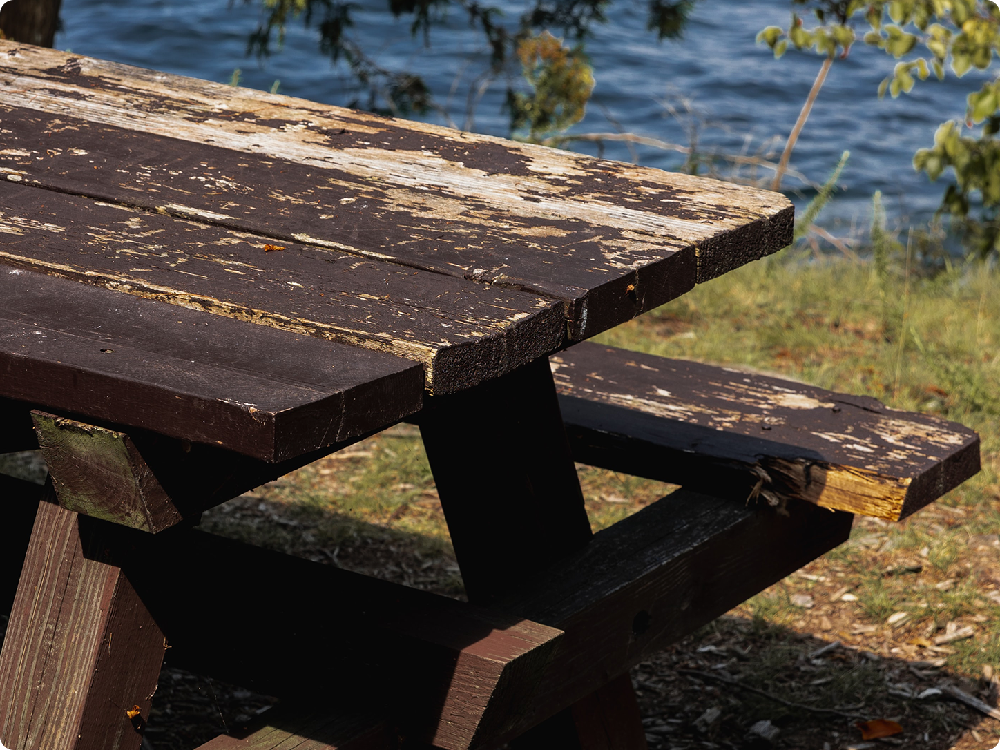
- Deep cracks or severe rot throughout
- Structural instability
- Significant warping
- Unsafe or uneven seating
- Repeated repair needs
- Extensive Insect Damage
- Clean your wooden picnic table several times per year to remove dirt and debris.
- Inspect for cracks, splinters, rot, insect activity, and loose hardware.
- Reapply stain or sealer as needed to protect against moisture and UV damage.
- Address minor repairs early to help prevent more expensive problems later.
- Replace unsafe or severely damaged tables when repairs are no longer practical.
FAQs About Wooden Picnic Tables
How often should you seal a wooden picnic table?
Most wooden picnic tables should be sealed or restained every 1 to 3 years, depending on climate, exposure, and the type of finish used.
Can a wooden picnic table stay outside all year?
Yes, but it should be properly sealed, cleaned, and protected from prolonged standing water, snow buildup, and trapped debris.
What is the best wood for an outdoor picnic table?
Cedar, pressure-treated pine, and hardwoods such as ipe are common outdoor options. The best choice depends on budget, appearance, and maintenance expectations.
Can an old wooden picnic table be restored?
In many cases, yes. If the table is structurally sound, it may be cleaned, sanded, tightened, stained, or sealed.
Why is my wooden picnic table turning gray?
Wood naturally turns gray when exposed to sunlight and weather over time. This graying is usually cosmetic and occurs as ultraviolet (UV) rays break down the wood's surface fibers. Cleaning and applying a quality stain or sealer can help restore the appearance and provide additional protection.
Can pressure washing damage a wooden picnic table?
Yes. Using too much pressure can damage wood fibers, create splinters, and remove protective finishes. If pressure washing is necessary, use a low-pressure setting and keep the nozzle moving to avoid damaging the surface.
Should you cover a wooden picnic table during the winter?
Covering or storing a wooden picnic table during the winter can help reduce moisture exposure, snow buildup, and freeze-thaw damage. If a cover is used, make sure it allows for some airflow to prevent trapped moisture and mold growth.
Can you replace just one plank on a wooden picnic table?
In many cases, yes. If the frame and remaining boards are still structurally sound, replacing a single damaged plank can be a cost-effective way to extend the life of the picnic table.
How do you prevent insects from damaging a wooden picnic table?
Routine cleaning, inspections, moisture control, and maintaining the wood's protective finish can help reduce conditions that contribute to insect and decay problems. For detailed prevention tips and signs of termites, carpenter ants, wood-boring beetles, and carpenter bees, see our guide to protecting wooden picnic tables from insects and rot.
Can you leave a wooden picnic table uncovered?
Yes. Most commercial wooden picnic tables are designed for outdoor use. However, regular cleaning and protective finishes are recommended to reduce the effects of sun, moisture, and debris.
Ready for a New Commercial Picnic Table?
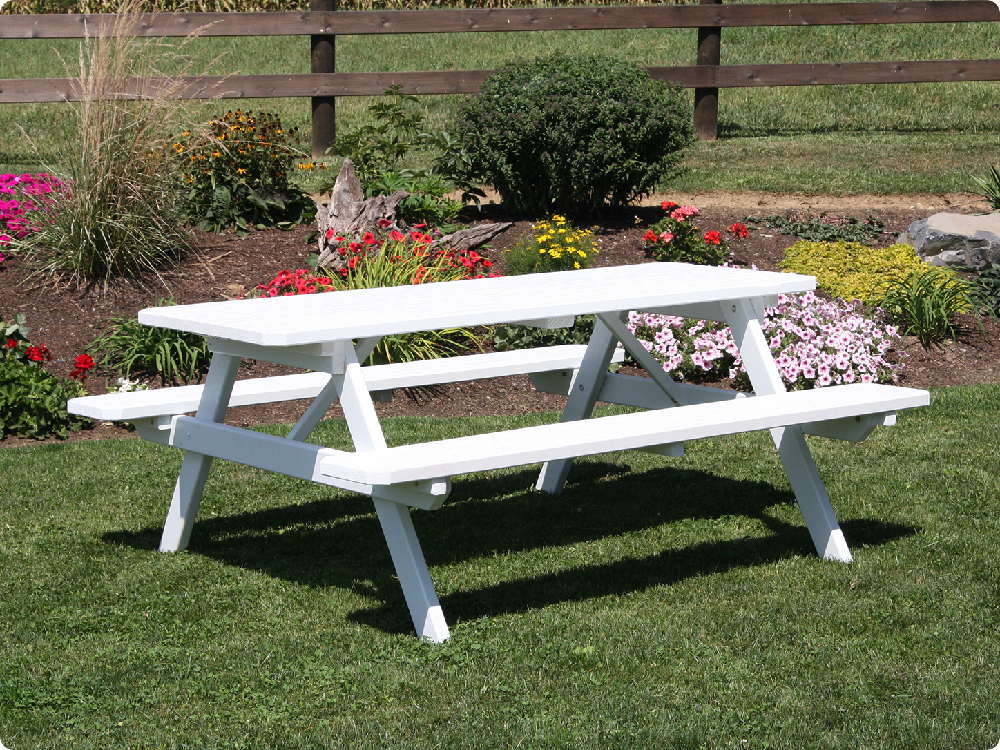
If your current table has reached the end of its life, we have a wide selection of wooden, thermoplastic, concrete, and recycled plastic picnic tables built to last in any environment.
Shop Commercial Picnic Tables →
Leave your comment