
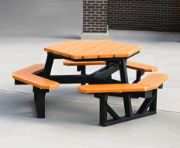


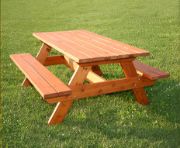
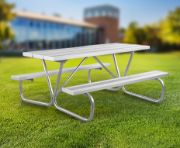
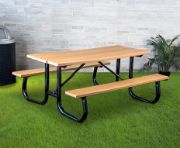

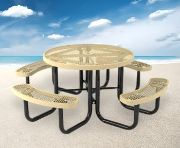
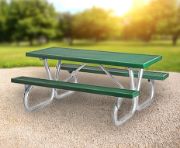
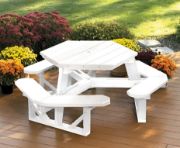
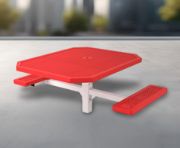






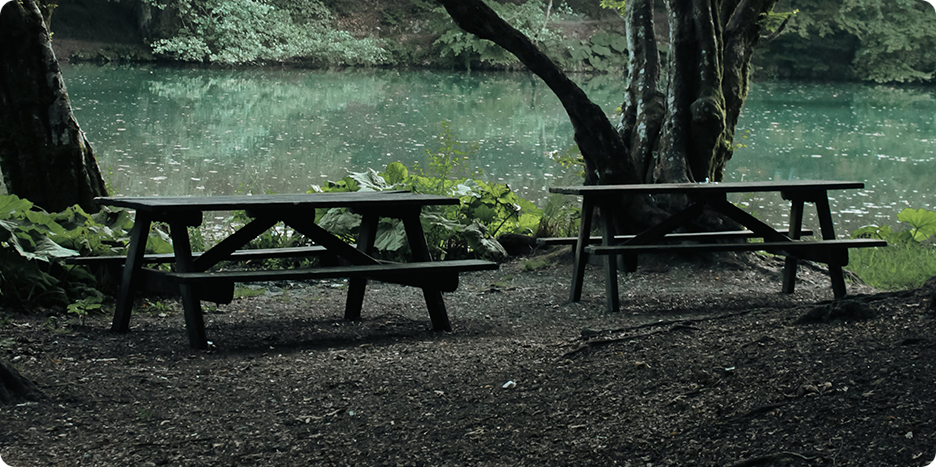
Wooden picnic tables bring a natural, traditional appearance to parks, campgrounds, schools, recreation areas, and other outdoor gathering spaces. Because wood is continually exposed to rain, humidity, irrigation, vegetation, and changing weather conditions, however, moisture and insects can eventually contribute to deterioration.
Protecting a wooden picnic table starts with controlling prolonged moisture, inspecting vulnerable areas, and recognizing early signs of rot or insect activity before the damage affects structural strength.
Key Takeaways
- Prolonged moisture is one of the biggest contributors to wood rot.
- Board ends, fastener openings, cracks, and lower areas deserve extra attention.
- Termites, carpenter ants, certain wood-boring beetles, and carpenter bees commonly cause damage to outdoor wood.
- Good drainage, airflow, routine cleaning, and an appropriate protective finish help reduce deterioration.
- Structurally weakened wood should be repaired or replaced rather than hidden with a cosmetic repair.




What Causes Wood Rot in Picnic Tables?
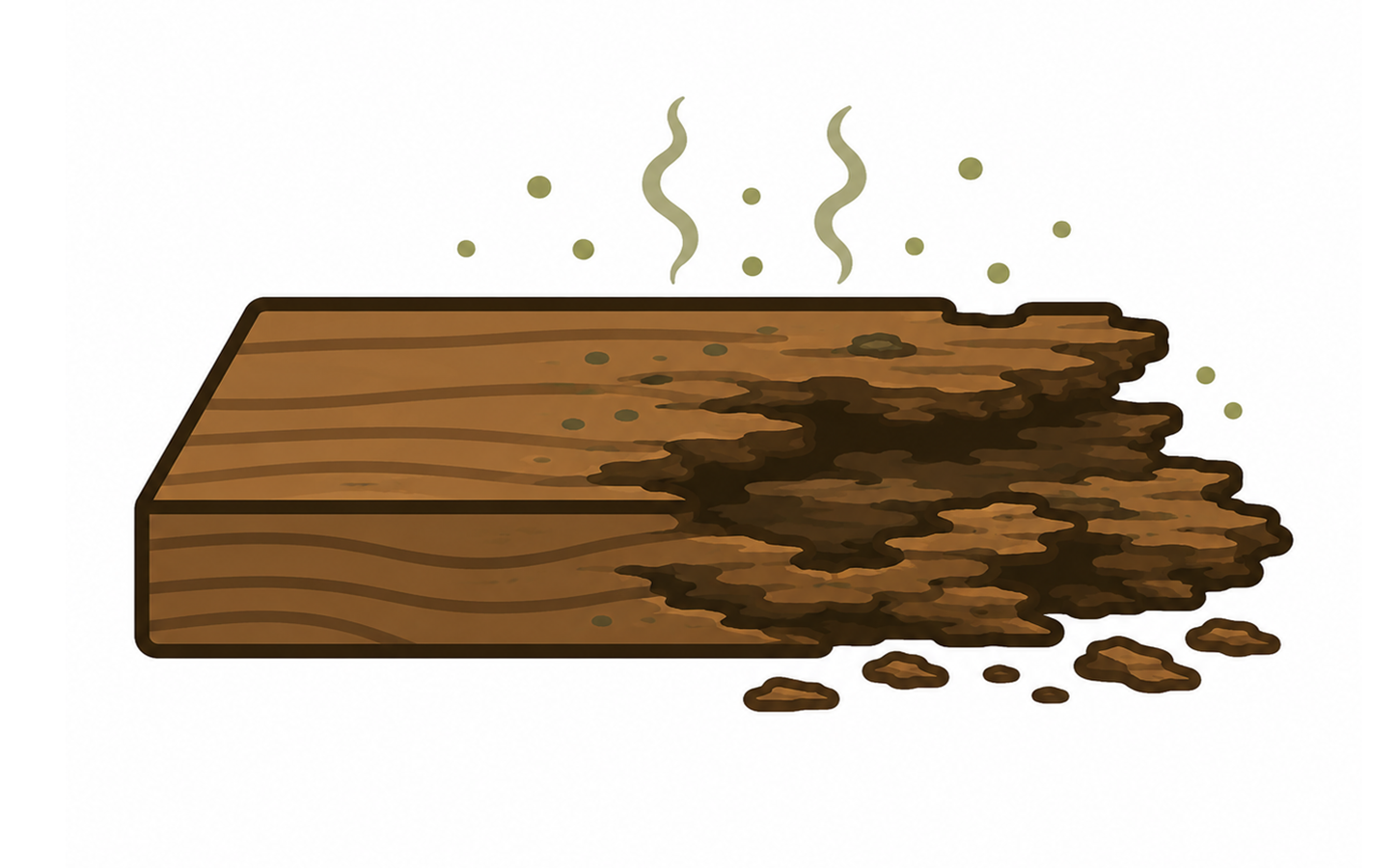
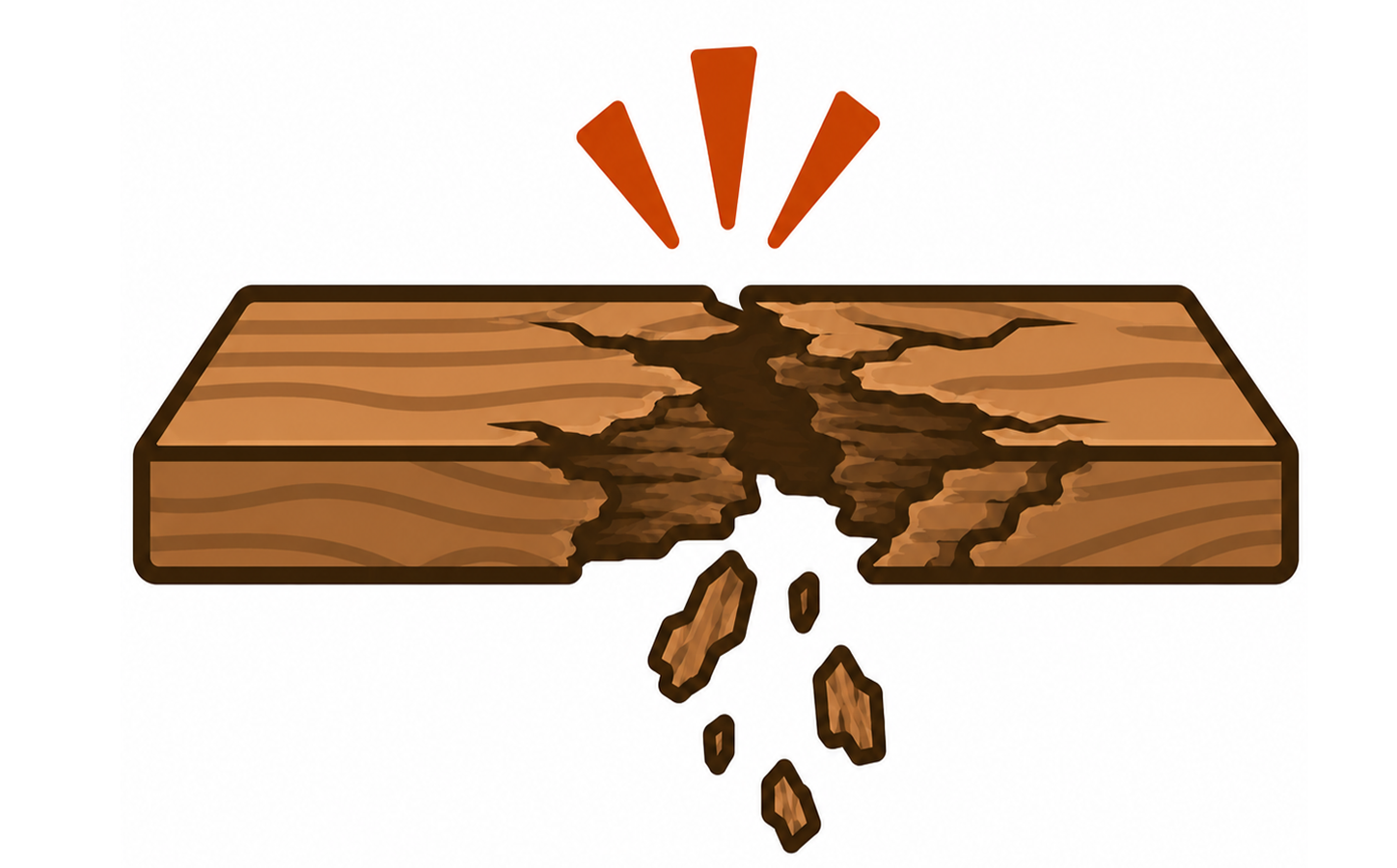
Wood rot is caused by wood-decay fungi that gradually break down components of the wood and can eventually reduce its strength. Moisture plays a major role by creating favorable conditions for these fungi to develop. When a picnic table repeatedly becomes wet and does not dry efficiently, the risk of decay increases.
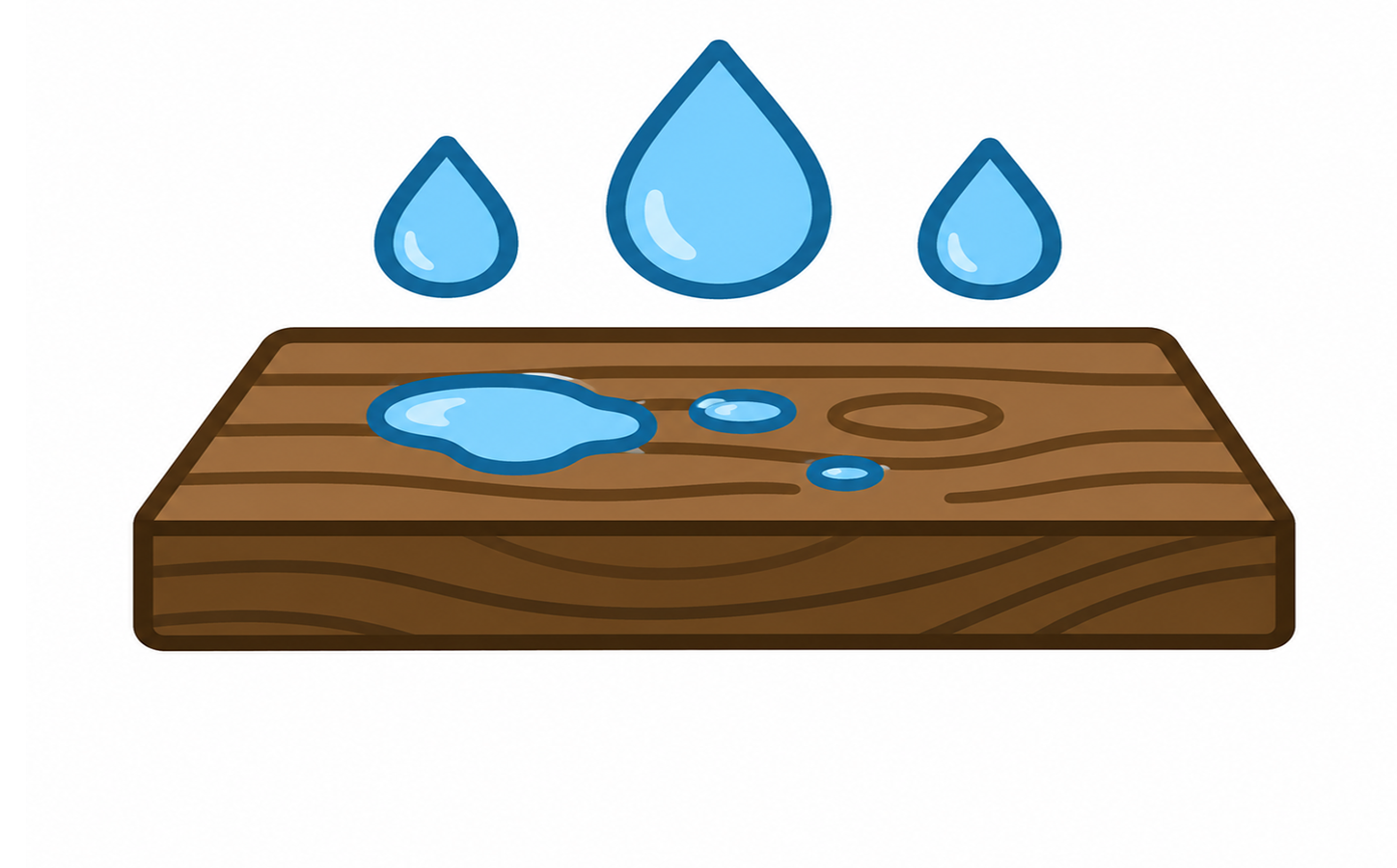
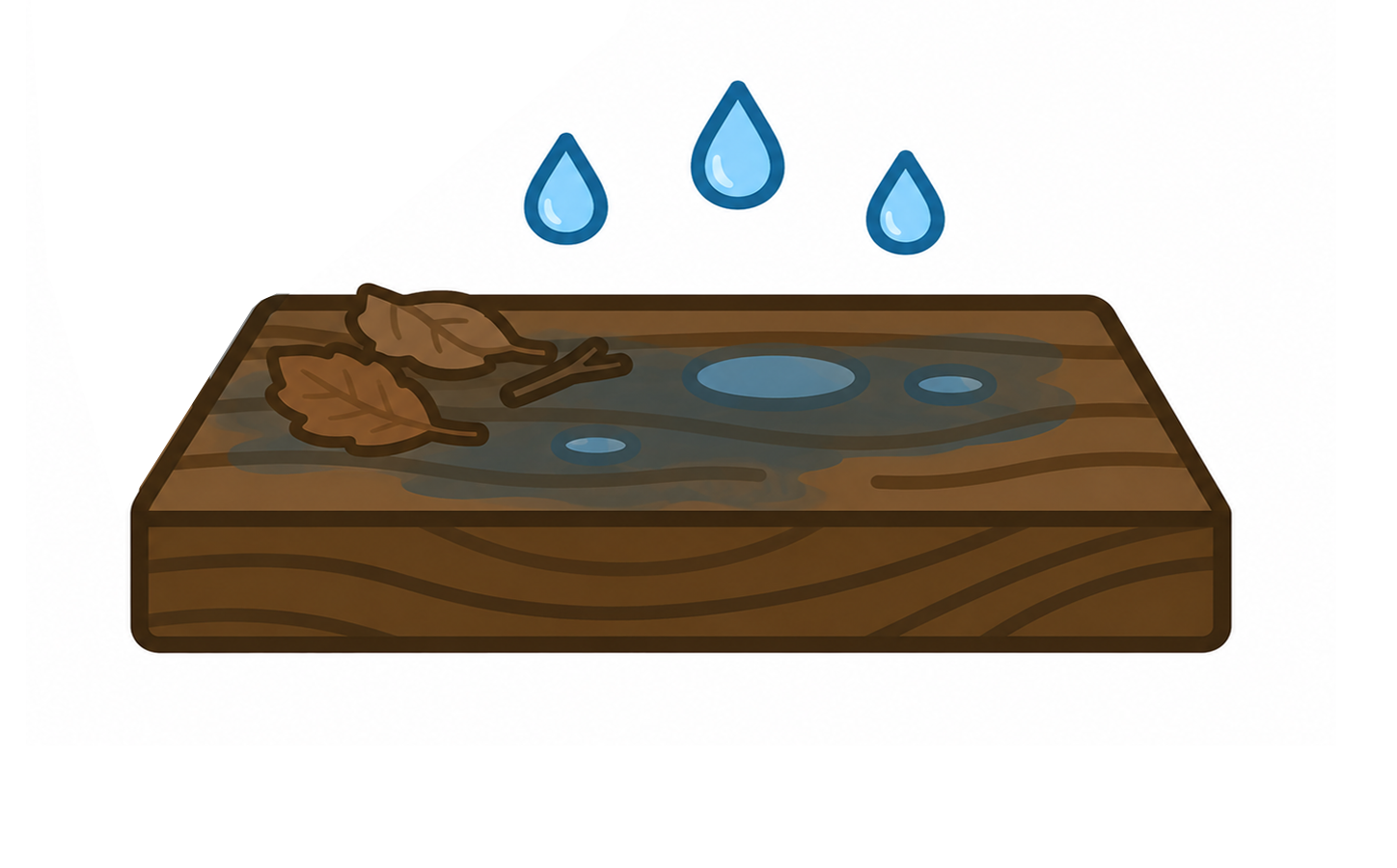
An outdoor table does not need to sit in standing water to develop problems. Rain, melting snow and ice, irrigation, morning dew, wet leaves, soil splash, heavy shade, and debris trapped between boards can all keep portions of the wood damp longer than expected. In colder climates, repeated freeze-thaw cycles may also contribute to cracking and checking, creating additional openings where moisture can enter the wood.

What About Mold or Mildew?
Visible mold or mildew on a wooden picnic table can be a warning sign that the wood is staying damp for too long, but it does not necessarily mean the wood has developed structural rot. Wood rot occurs when wood-decay fungi begin breaking down the wood itself, which can eventually reduce its strength.
If mold or mildew repeatedly returns, inspect the area for persistent moisture, poor drainage, slow drying, and other signs of wood deterioration.
Focus on Drying
The goal is not to keep an outdoor picnic table completely dry. Instead, reduce conditions that keep the wood wet for unnecessarily long periods and help it dry efficiently after rain, irrigation, melting snow, or cleaning.
What Insects Can Damage Wooden Picnic Tables?
Not every insect found around a picnic table damages wood. Certain insects, however, can consume wood, excavate it for nesting, or tunnel through it during part of their life cycle. Recognizing the type of activity can help determine whether the table needs closer inspection.
Termites
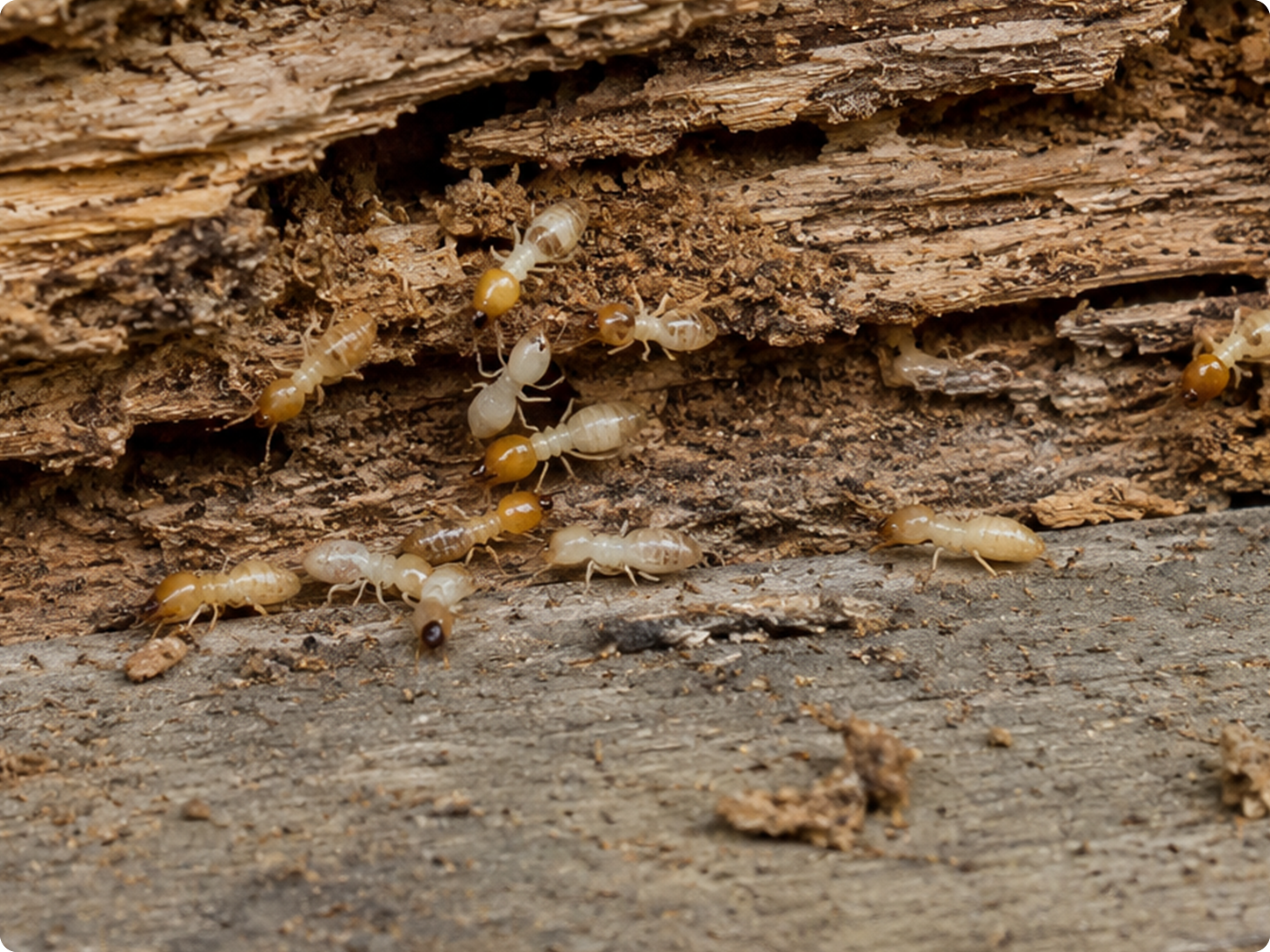
Termites feed on cellulose-containing materials, including wood. Because much of their activity can occur inside the wood, damage may develop before it becomes clearly visible from the outside.
- Hollow or weakened wood
- Mud tubes around or near the table
- Concealed internal deterioration
- Wood that appears damaged without an obvious surface cause
U.S. Distribution: Found throughout much of the United States, with some termite species especially common in warmer southern and coastal regions
Carpenter Ants
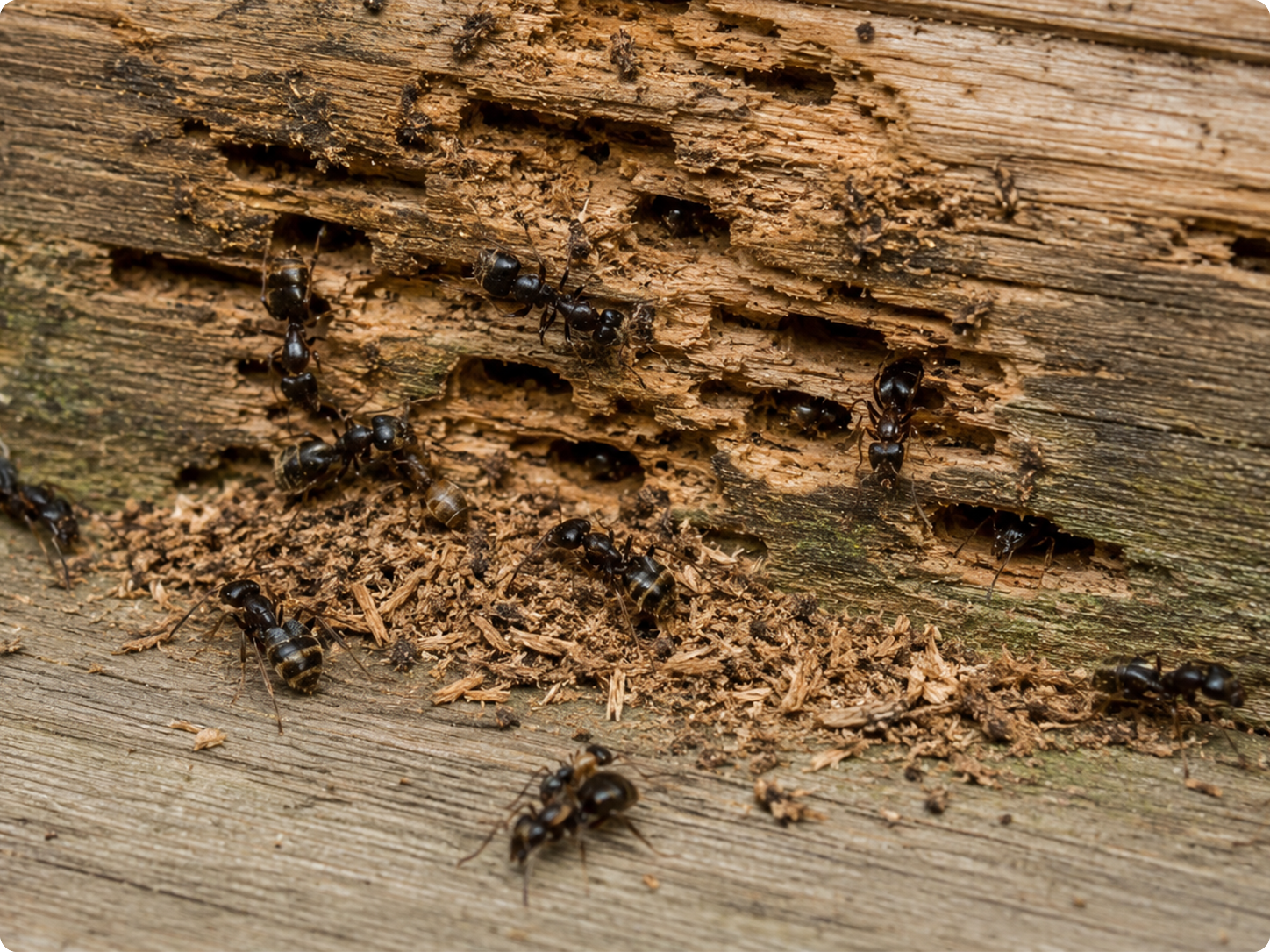
Carpenter ants do not eat wood like termites. Instead, they excavate galleries inside the wood to create nesting areas. They are often associated with wood that is damp, softened, or already beginning to deteriorate.
- Frequent ant activity around the table
- Sawdust-like debris near openings
- Small openings in the wood
- Smooth internal nesting galleries
U.S. Distribution: Found throughout the United States, with various carpenter ant species occurring in both wooded and developed areas.
Wood-Boring Beetles
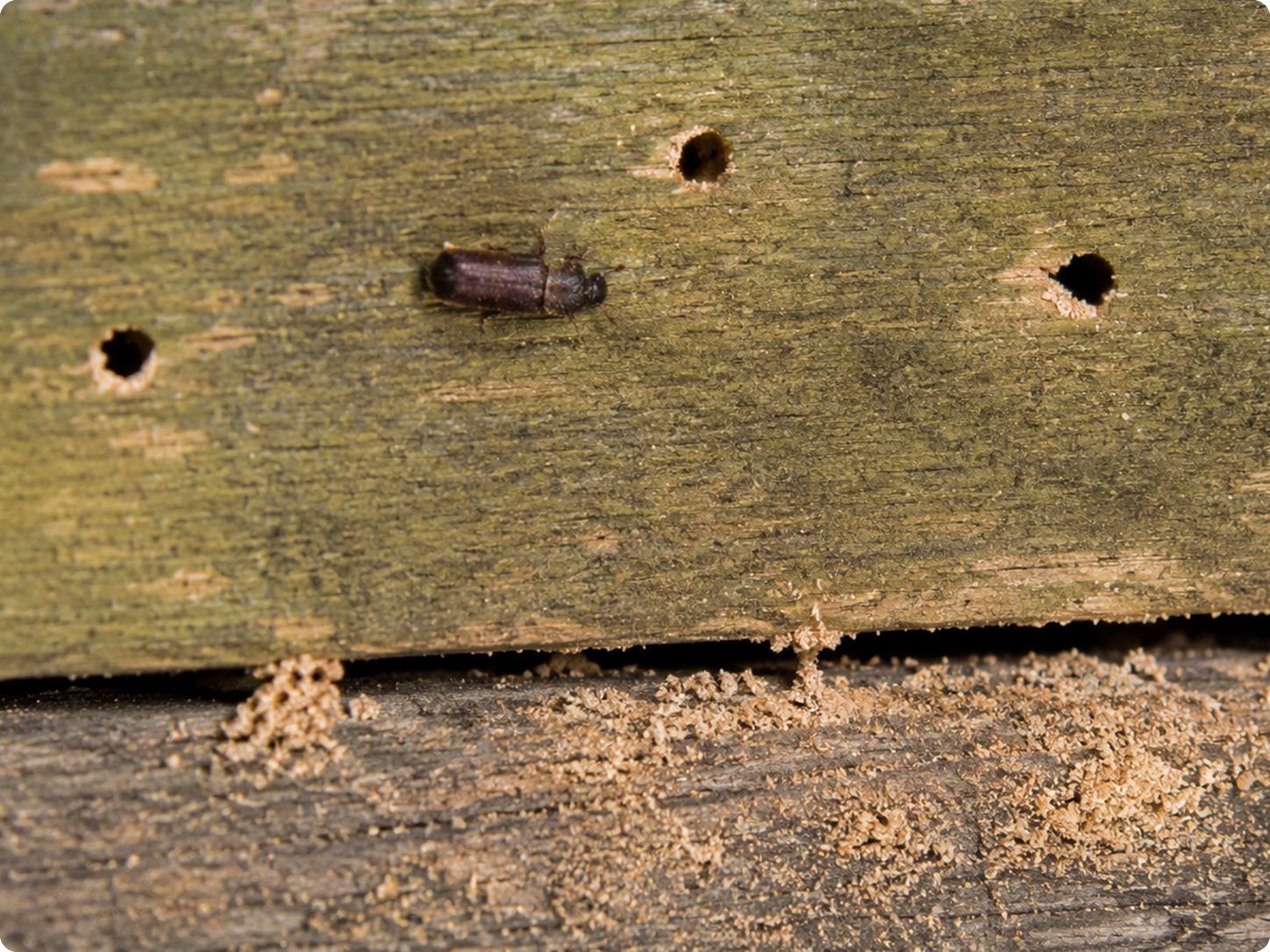
Certain wood-boring beetles can damage lumber during their larval stage by tunneling beneath the surface. Powderpost beetles are one example that may leave small holes and fine, powder-like material behind.
- Small round exit holes
- Fine wood powder or dust
- Visible tunneling beneath the surface
- Gradual weakening in heavily affected wood
U.S. Distribution: Found throughout the United States, although the species and risk of wood damage vary by region and type of wood.
Carpenter Bees
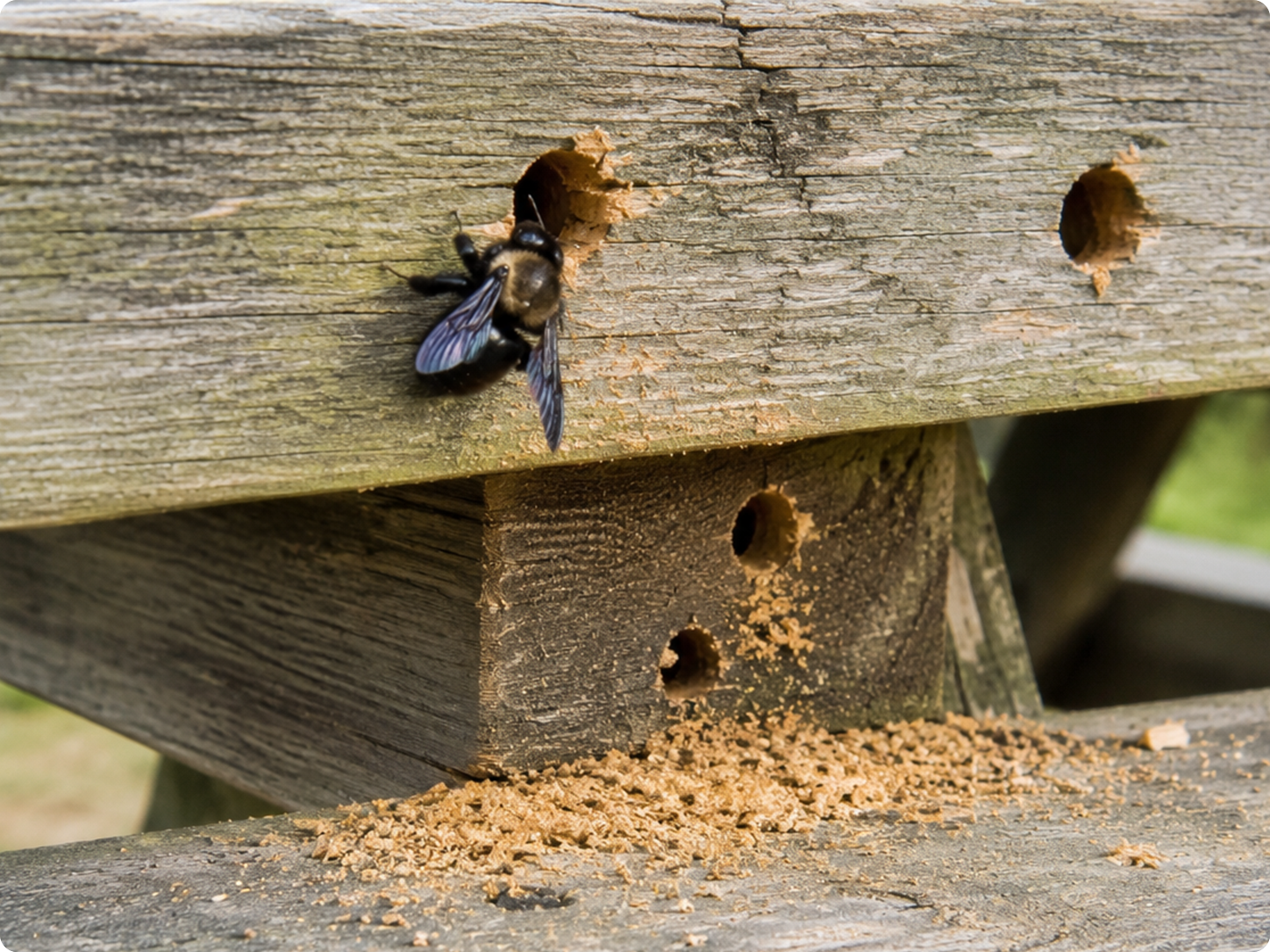
Carpenter bees bore into wood to create nesting tunnels rather than eating the wood for food. Their entrance holes are often noticeably larger than those left by wood-boring beetles, and repeated nesting in the same area can gradually damage exposed wooden components.
- Round entrance holes in exposed wood
- Coarse sawdust beneath the opening
- Bee activity around the same area
- Repeated tunnels in untreated or weathered wood
U.S. Distribution: Found across much of the United States, with eastern carpenter bees common in the East and other species occurring in western regions.
| Insect | What It Does to Wood | Common Clues |
|---|---|---|
| Termites | Consume cellulose within the wood | Mud tubes, concealed damage, weakened wood |
| Carpenter Ants | Excavate wood to create nesting galleries | Ant activity, openings, sawdust-like debris |
| Wood-Boring Beetles | Larvae may tunnel through the wood | Small exit holes and fine wood powder |
| Carpenter Bees | Bore tunnels into wood for nesting | Larger round holes, coarse sawdust, and bee activity |
Signs of Rot or Insect Damage
Early warning signs are not always dramatic. Routine visual inspections can help identify suspicious areas before deterioration becomes severe.
Wood that feels noticeably softer than surrounding areas may indicate deterioration.
Persistent discoloration may identify areas that repeatedly remain damp.
Small exit holes can indicate possible wood-boring insect activity.
Fresh material beneath a table deserves attention when it returns after cleaning.
Wood that breaks apart around edges or fasteners may have experienced significant deterioration.
Hardware can lose its holding strength when surrounding wood deteriorates.
Where Does Rot Usually Start on a Wooden Picnic Table?
Certain parts of a picnic table are more likely to collect moisture, dry slowly, or expose vulnerable wood fibers.
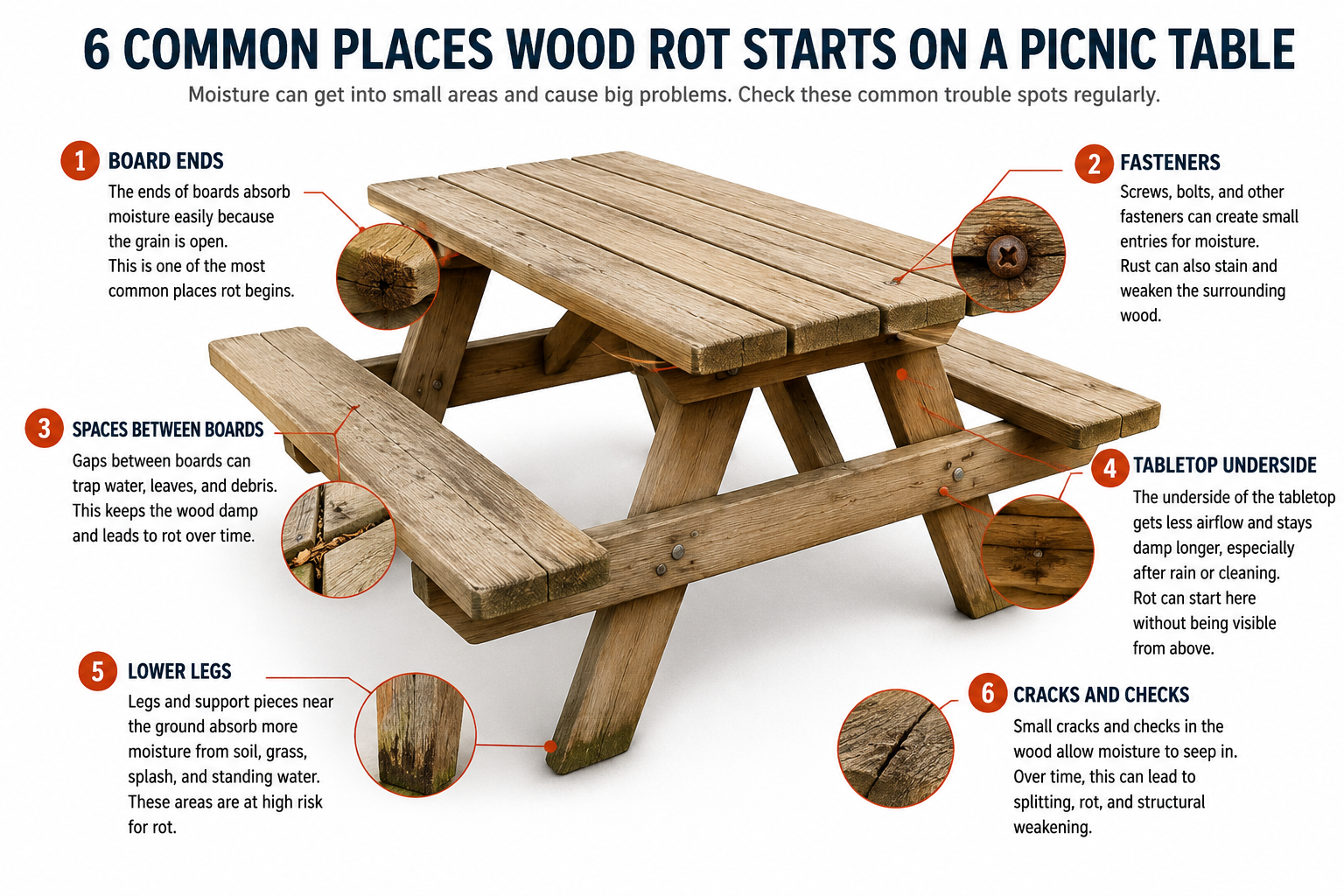
Exposed end grain can readily absorb moisture, particularly when protective treatment or finish has worn away.
Openings around bolts and screws can allow moisture into areas beneath the visible surface.
Leaves, pine needles, and dirt can collect in narrow spaces and hold moisture against the wood.
Shaded surfaces underneath the table may receive less airflow and take longer to dry.
Splashback, irrigation, wet soil, and poor drainage can repeatedly expose lower components to moisture.
Open cracks can allow moisture to penetrate deeper into a board.
Is Wet Wood the Same as Wood Rot?
No. Outdoor wood is expected to get wet. The concern is whether it dries afterward and remains firm and structurally sound.
Normal Outdoor Moisture
- Table becomes wet after rain
- Wood is able to dry afterward
- No soft or crumbling areas
- Connections remain secure
Conditions That Need Attention
- Wood stays damp for long periods
- Water repeatedly collects in the same areas
- Wood becomes soft or crumbly
- Boards or connections begin losing strength
How to Prevent Rot and Insect Damage
Routine maintenance can reduce conditions that encourage rot and make insect activity easier to catch early.
- Remove wet leaves, pine needles, dirt, and other debris.
- Help the table dry efficiently after rain or cleaning.
- Correct sprinklers that repeatedly soak the tabletop or seats.
- Maintain good drainage around the picnic table.
- Keep vegetation from crowding the table and blocking airflow.
- Maintain an appropriate exterior-rated wood finish.
- Inspect board ends, cracks, fasteners, and hidden surfaces.
- Remove deteriorating wood, branches, or stumps near the picnic area when appropriate.
- Investigate new insect holes, powder, or sawdust-like debris.
Protect the Wood from Moisture Absorption
An appropriate exterior wood stain, sealer, or other protective finish can help reduce the amount of moisture absorbed by the wood while also protecting it from outdoor weather exposure. Because finishes wear over time, they should be inspected and reapplied as needed according to the product manufacturer's recommendations.
Learn More About Protecting and Maintaining Outdoor Wood
For more information on cleaning, preparing, staining, sealing, and maintaining outdoor wood, read our guide on how to make your wooden picnic table last for decades.
Common Mistakes That Can Encourage Wood Rot
Leaves and debris can trap moisture and slow drying.
Repeated irrigation can keep wood unnecessarily damp.
These vulnerable areas can allow moisture deeper into the wood.
Visible weakness may indicate advanced deterioration.
Wood Rot vs. Insect Damage
Some warning signs can occur with either type of deterioration. This chart provides a quick starting point for deciding what deserves closer inspection.
| Warning Sign | Possible Wood Rot | Possible Insect Activity |
|---|---|---|
| Soft or Spongy Wood | ✓ Common | Sometimes |
| Dark Deteriorated Areas | ✓ Possible | May Be Present |
| Small Exit Holes | Not Typical | ✓ Possible |
| Sawdust or Frass | Not Typical | ✓ Possible |
| Internal Galleries | Not Typical | ✓ Possible |
| Structural Weakness | ✓ Possible | ✓ Possible |
What Should You Do If You Find Insects in a Wooden Picnic Table?
Finding insects in a wooden picnic table does not automatically mean the entire table needs to be replaced. If the wood is still structurally sound, the first step is to identify the insect, determine whether the activity is current, and inspect the surrounding wood for tunnels, galleries, softness, or loss of strength.
1. Identify the Insect
Look at the type of damage being left behind. Mud tubes may suggest termites, sawdust-like debris can occur with carpenter ants, round nesting holes may indicate carpenter bees, and small exit holes with fine powder can point toward certain wood-boring beetles.
2. Check the Extent of the Damage
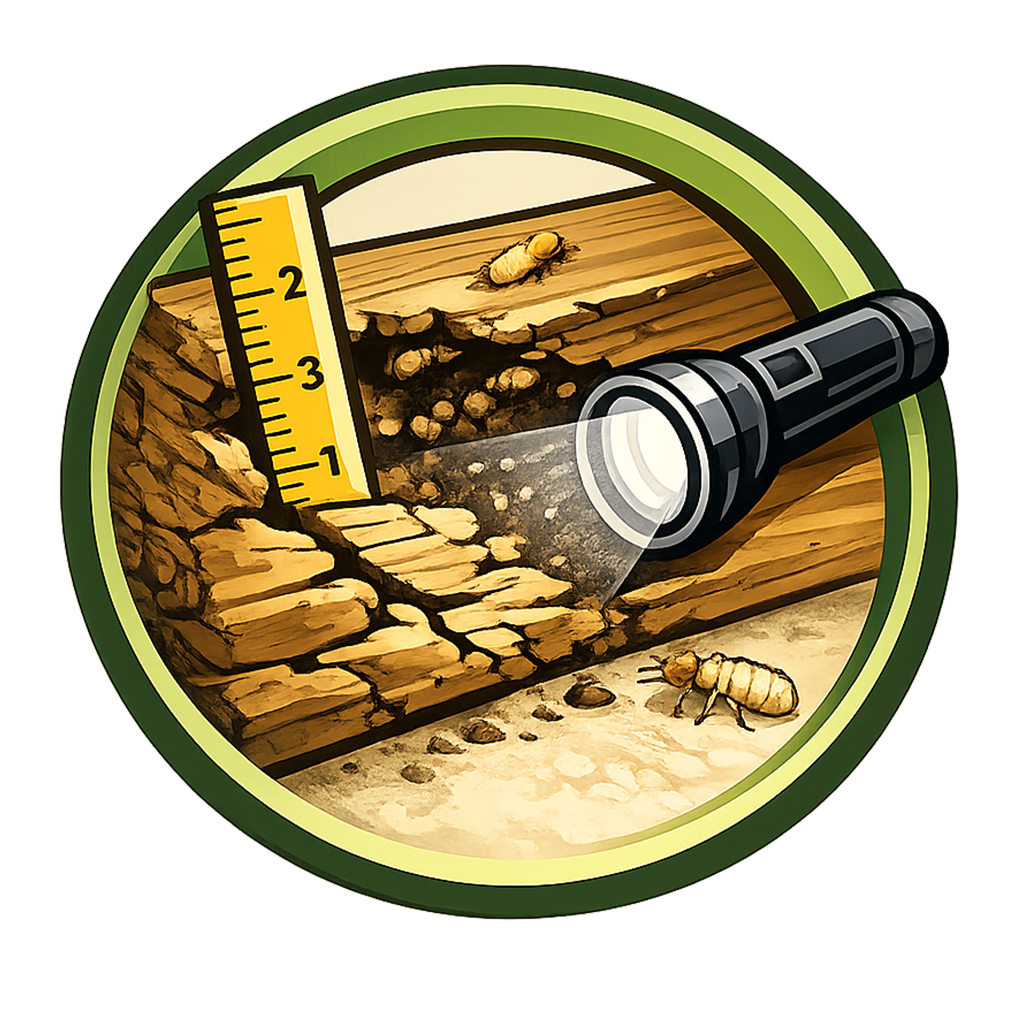
Inspect the affected boards and nearby structural components. Wood that remains firm and stable may be repairable, while soft, crumbling, hollow, or badly weakened wood may require replacement.
3. Address the Active Infestation
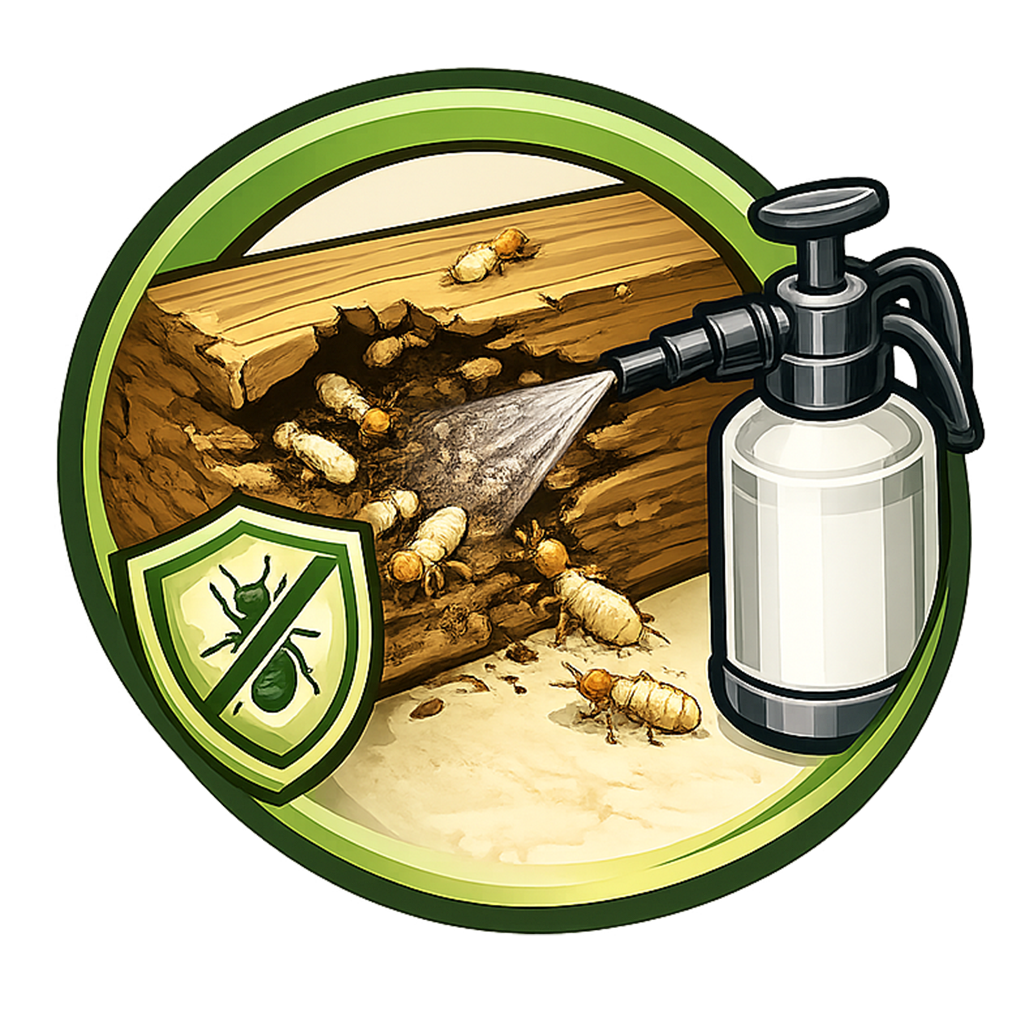
Treatment depends on the insect involved. Termites may require treatment beyond the picnic table itself, carpenter ants may indicate a nearby nest or moisture problem, carpenter bees may return to existing nesting areas, and wood-boring beetles may require identification to determine whether activity is still present.
4. Repair and Protect the Wood
After the infestation has been controlled, evaluate damaged boards or components for repair or replacement. Any remaining sound wood can then be cleaned, prepared, and protected with an appropriate exterior finish when needed.
Can Pressure-Treated Wood Still Rot?
Yes. Pressure treatment improves resistance to decay and certain wood-destroying organisms, but treated lumber is not completely immune to deterioration.
Outdoor exposure can still lead to weathering, cracking, exposed cuts, moisture cycling, and deterioration of protective finishes. Good drainage, cleaning, inspection, and proper maintenance remain important.
Can a Picnic Table with Wood Rot Be Repaired?
Whether a picnic table can be repaired depends on the location and severity of the damage.
Localized Damage
If deterioration is limited and the remaining structure is sound, an individual tabletop or seat board may be replaced after the moisture problem has been corrected.
Structural Damage
Deep decay, weakened legs, deteriorated supports, compromised connections, or extensive insect galleries may require replacement of major components or the entire table.
When Should a Wooden Picnic Table Be Taken Out of Service?
When deterioration affects strength or stability, the picnic table should be restricted from use until it has been properly evaluated and repaired or replaced.
A seat board flexes or moves abnormally when weight is applied.
Tabletop or seat boards are severely soft, cracked, or weakened.
Structural legs or supports show significant deterioration.
Bolts or fasteners are pulling through damaged wood.
Wood crumbles easily when a deteriorated area is examined.
The table rocks because structural components are compromised.
Wood Rot & Insect Prevention Checklist
Quick Picnic Table Inspection
- Check exposed board ends
- Inspect around bolts and fasteners
- Look between tabletop and seat boards
- Check underneath the tabletop
- Remove leaves and debris
- Look for soft or dark wood
- Check for small insect holes
- Look for sawdust or fine powder
- Inspect lower portions of the table
- Confirm the table remains stable
Frequently Asked Questions
What causes wooden picnic tables to rot?
Wood rot develops when conditions allow decay fungi to deteriorate the wood. Persistent moisture, poor drainage, irrigation, wet debris, shade, and damaged protective finishes can all contribute to conditions that keep wood damp for extended periods.
How do you keep a wooden picnic table from rotting?
Keep the table clean, help the wood dry after rain, maintain an appropriate exterior finish, correct drainage and irrigation problems, and inspect vulnerable areas such as board ends, fasteners, cracks, and lower structural components.
Do termites damage wooden picnic tables?
Yes. Termites feed on cellulose-containing materials, including wood, and can cause concealed structural damage. Suspected termite activity should be evaluated by a qualified pest-control professional.
Do carpenter ants eat wooden picnic tables?
Carpenter ants do not eat wood like termites. They excavate galleries within wood to create nesting areas and are often associated with damp or deteriorating wood.
Can pressure-treated wood still rot?
Yes. Pressure treatment improves resistance to decay and certain wood-destroying organisms, but treated lumber is not waterproof or maintenance-free. Persistent moisture and exposed or damaged areas can still contribute to deterioration.
Can rotted picnic table boards be replaced?
Individual tabletop or seat boards may be replaceable when the remaining table structure is sound and compatible replacement components are available. Damage affecting legs, supports, or major structural connections requires closer evaluation.
Protect Wooden Picnic Tables from Preventable Damage
Wooden picnic tables can provide years of dependable service when deterioration is identified and addressed early. Routine inspections can help facility managers catch insect activity, decay, and structural problems before they become more serious.
For broader care instructions, visit our complete wooden picnic table maintenance guide. If you are still deciding whether wood is the right material for your facility, compare your options in our commercial picnic table material comparison guide.
Looking for Commercial Wooden Picnic Tables?
Explore commercial wooden picnic tables for parks, campgrounds, schools, recreation areas, and other outdoor facilities.
Shop Wooden Picnic Tables
Leave your comment