









Maintenance Guide
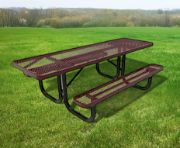
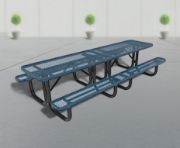
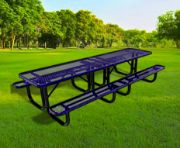
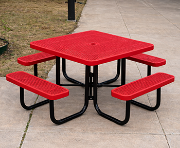
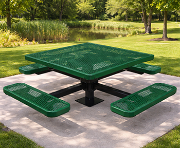
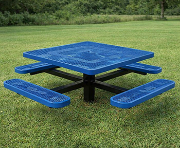
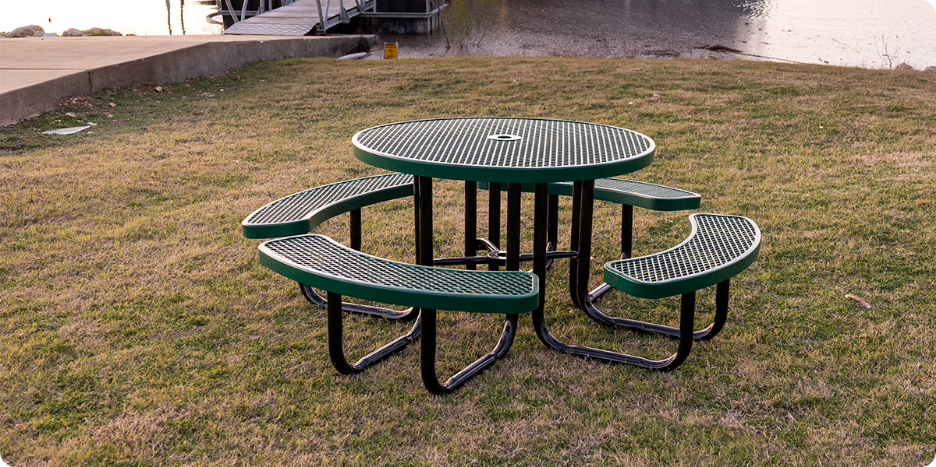
Thermoplastic-coated picnic tables are designed for durability and long-term outdoor performance. With the right cleaning, inspections, and minor repairs, you can help protect your investment and keep your tables safe, clean, and attractive for years.
- Clean thermoplastic picnic tables 2-4 times per year.
- Inspect for chips, scratches, rust, and loose hardware seasonally.
- Repair exposed metal quickly to help prevent corrosion.
- Use WD-40 and a soft cloth for graffiti or marker stains.
- Avoid wire brushes, abrasive pads, harsh solvents, and aggressive pressure washing.
Why Thermoplastic Picnic Table Maintenance Matters
A little routine care goes a long way. Proper maintenance helps prevent rust, keeps your tables looking attractive, improves safety, and extends the lifespan of your thermoplastic picnic tables.
- Prevents rust and corrosion
- Improves appearance
- Reduces costly repairs
- Extends table lifespan
- Maintains safety for users
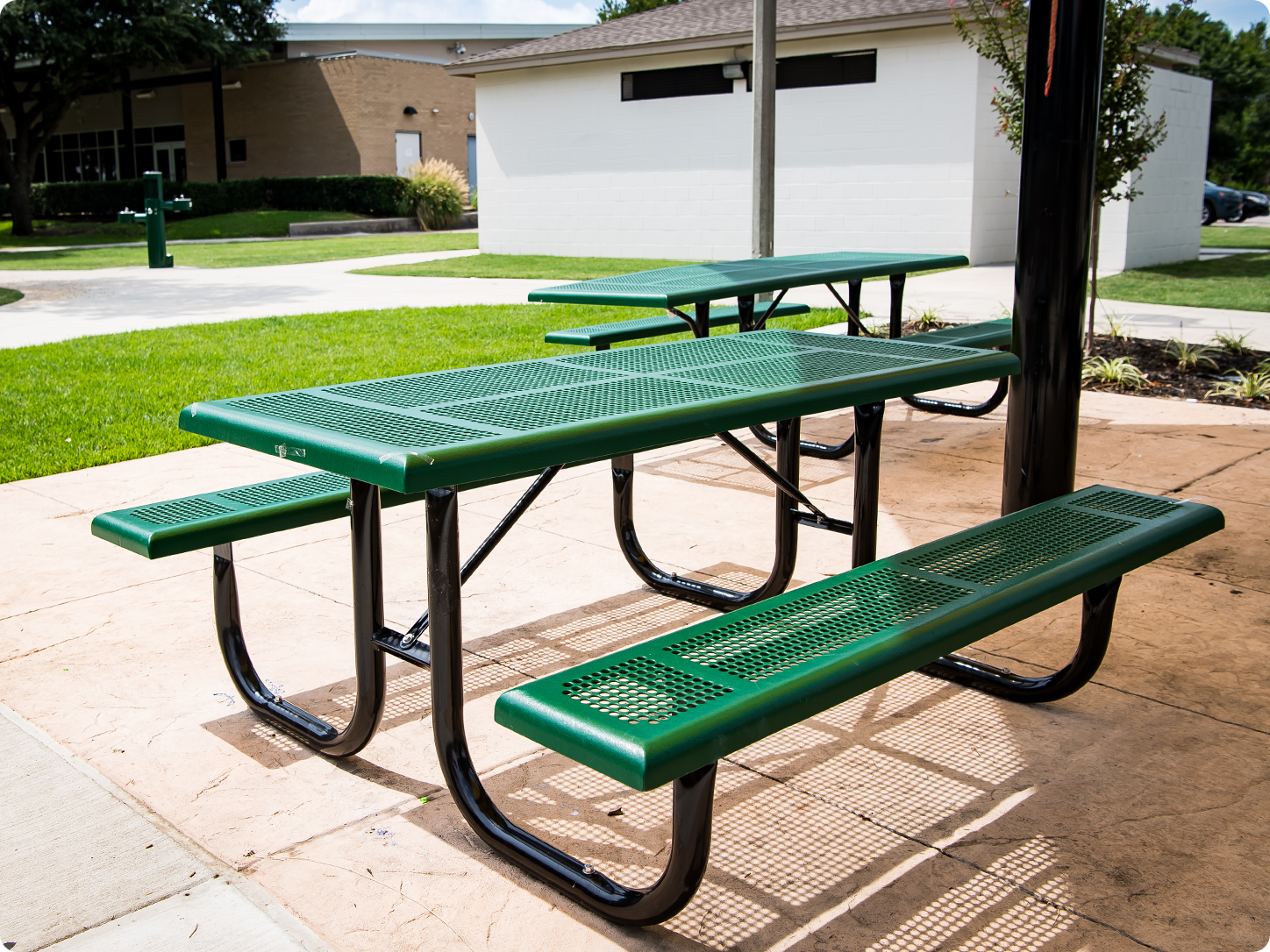
How to Clean Thermoplastic Picnic Tables
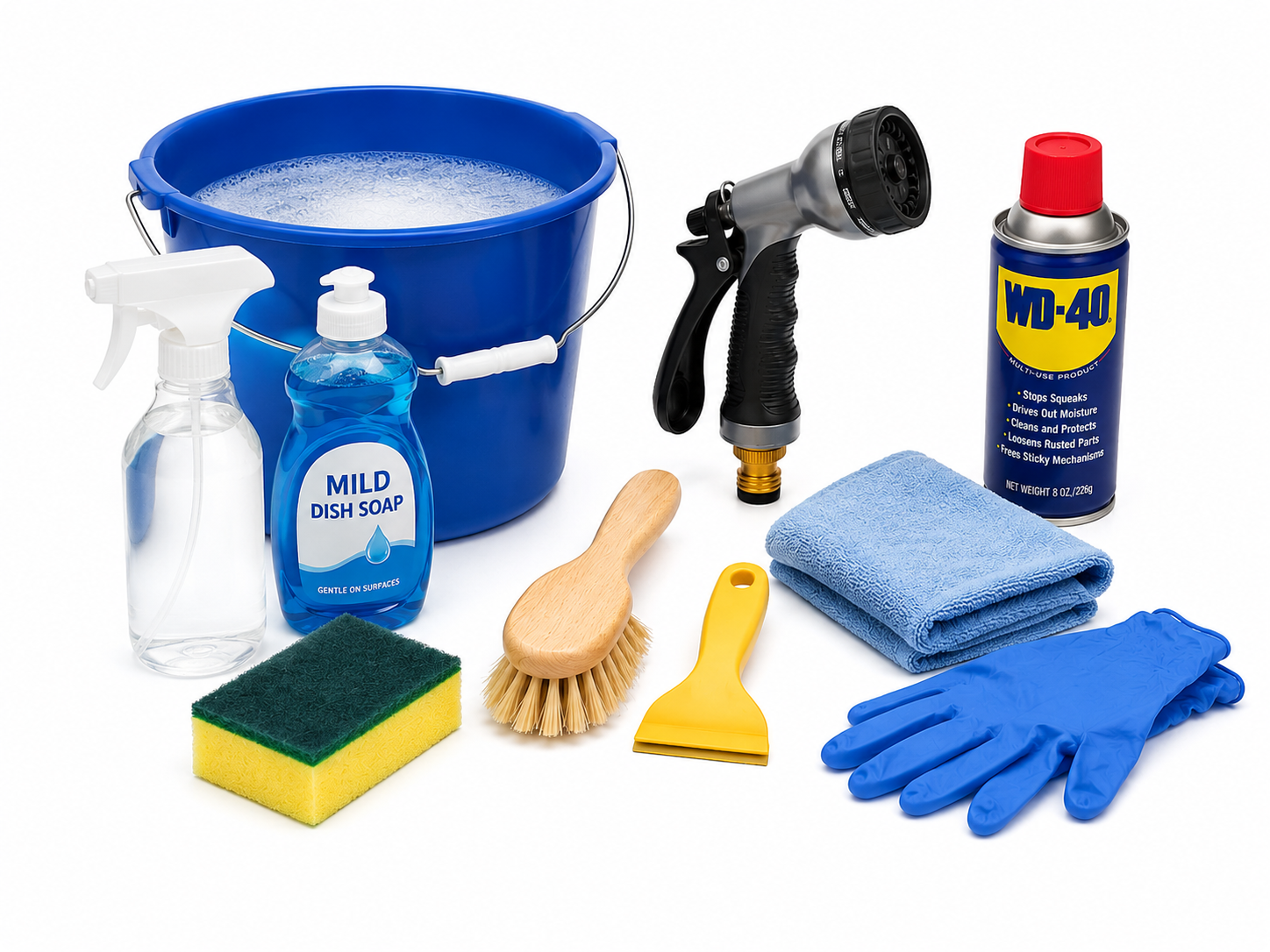
Recommended Materials
- Mild dish soap or a gentle all-purpose cleaner
- Bucket of warm water
- Soft sponge or microfiber cloth
- Soft-bristle brush for textured surfaces and stubborn dirt
- Garden hose with a spray nozzle for rinsing
- Plastic scraper for removing gum or stuck-on debris
- Clean towels or microfiber cloths for drying
- WD-40 and a soft cloth for removing graffiti or marker stains
- Nitrile or rubber gloves (optional)
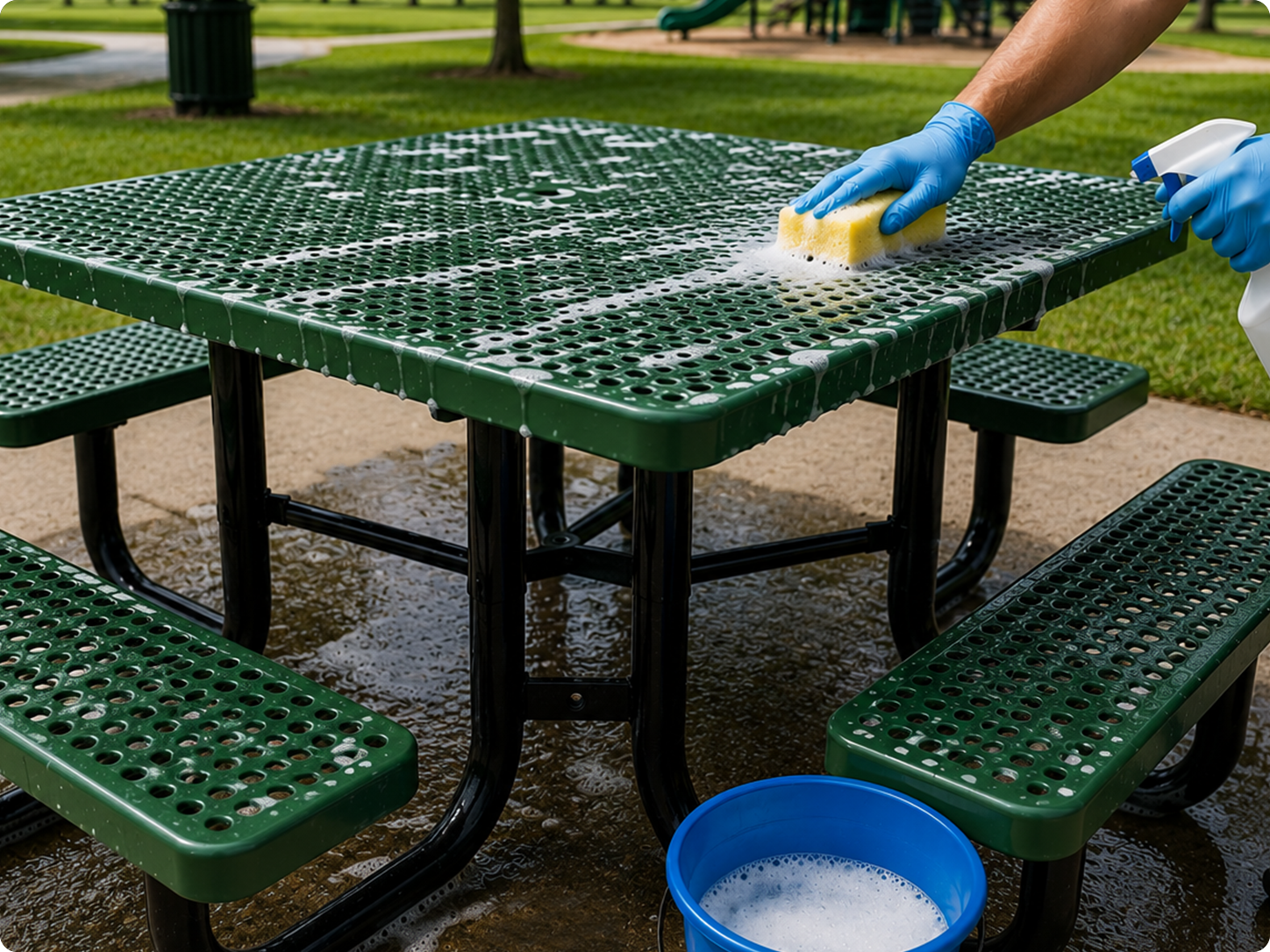
Step-by-Step Cleaning Procedure
- Remove debris.
Brush away leaves, dirt, pollen, and food crumbs. - Wash with mild soap.
Use warm water and a soft sponge or cloth. - Rinse thoroughly.
Rinse with clean water to remove soap residue. - Dry the surface.
Wipe dry or allow the table to air dry. - Inspect while cleaning.
Look for chips, rust, loose hardware, or damage.
 Pro Tip: Avoid wire brushes, abrasive scouring pads, bleach, strong solvents, and harsh chemicals that can damage the thermoplastic coating or dull its appearance over time.
Common Stains and How to Remove Them
| Problem | Recommended Solution | Avoid |
|---|---|---|
| Food and Drink Spills | Warm water and mild soap | Abrasive cleaners or scrub pads |
| Bird Droppings | Soak with warm soapy water, then wipe clean | Letting residue sit and bake into the surface |
| Tree Sap | Warm soapy water and a soft cloth | Metal scrapers or solvents |
| Gum | Harden with ice, then gently lift with a plastic scraper | Sharp tools that can scratch the coating |
| Grease and Oil | Mild soap or surface-safe degreaser | Strong chemicals or solvents |
| Graffiti or Marker | Apply a small amount of WD-40 to a soft cloth and gently rub the affected area, then wash with mild soap and water. | Using abrasive pads, harsh solvents, or scraping tools. |
Seasonal Maintenance Schedule

SpringDeep clean tables, inspect for winter damage, and tighten hardware.

SummerClean regularly, remove spills quickly, and inspect high-traffic areas.

FallRemove leaves and debris, check for damage, and prepare for winter.

WinterRemove snow buildup when practical and inspect mounting points.
How to Repair Minor Scratches and Major Damage on Thermoplastic Picnic Tables
Not all thermoplastic coating damage should be repaired the same way. Small scratches and chips can often be handled with basic touch-up procedures, while larger damaged areas may require professional repair methods. If the table has widespread rust, peeling coating, structural damage, or a large exposed area, contact the manufacturer or a qualified refinisher before attempting repair.
Minor Scratch and Chip Repair
Minor chips and scratches should be repaired as soon as possible, especially if the damage exposes the steel underneath the thermoplastic coating. Once bare metal is exposed, moisture can reach the frame and eventually lead to rust. Small cosmetic damage can often be repaired in the field, but large damaged areas, widespread rust, peeling coatings, or structural issues should be evaluated before attempting repairs.
 Important: This procedure is intended only for minor cosmetic damage. If the table has extensive rust, structural damage, or large areas of failing coating, contact the manufacturer or a qualified refinisher before attempting repairs.
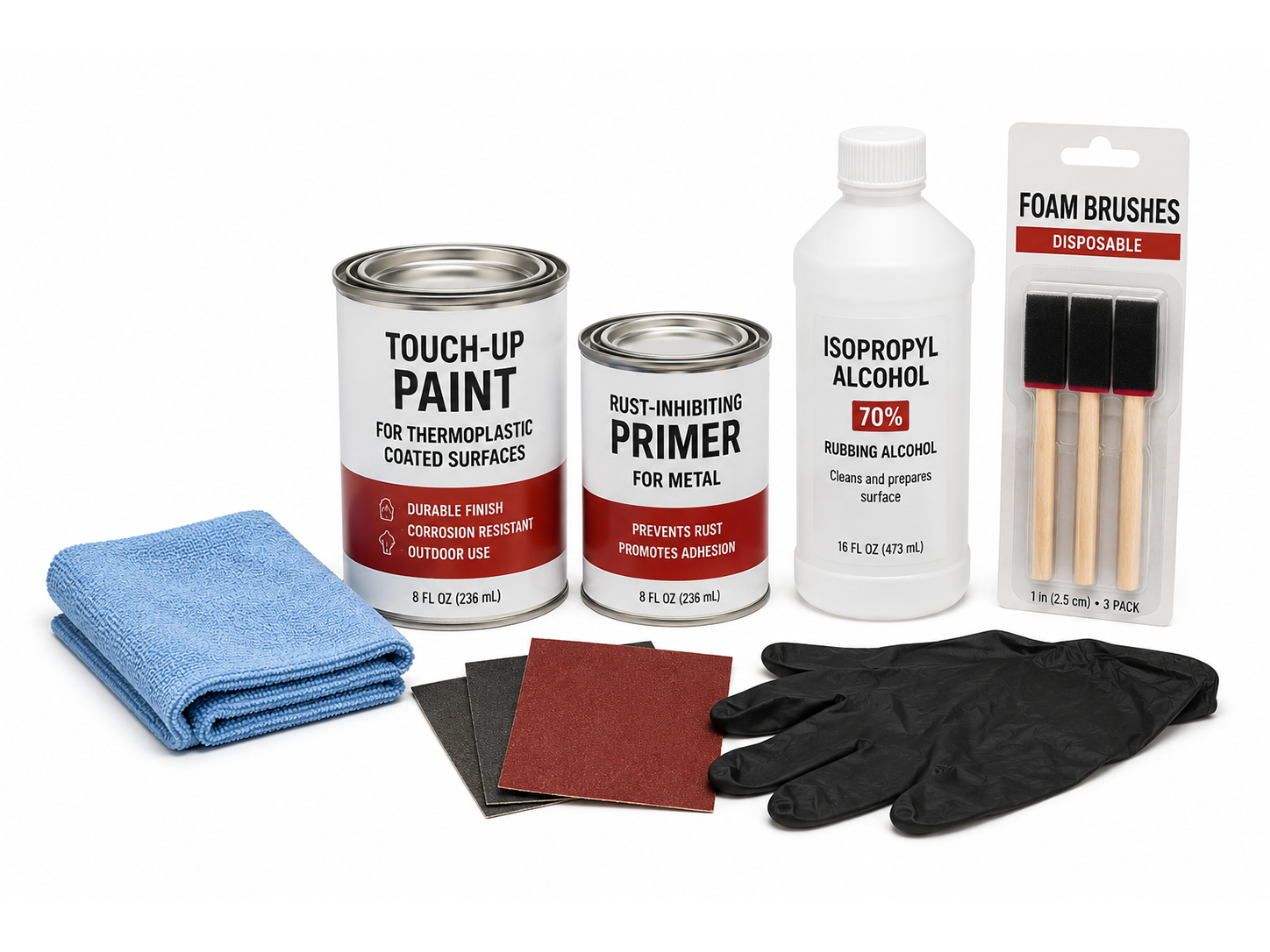
Recommended Materials
- Touch-up paint matched to the original finish
- Mild soap and water
- Clean lint-free cloth
- Wax and grease remover or isopropyl alcohol
- 320- to 600-grit sandpaper or fine abrasive pad
- Masking tape and paper or cardboard
- Nitrile gloves and safety glasses
- Rust-inhibiting primer, if bare metal is exposed
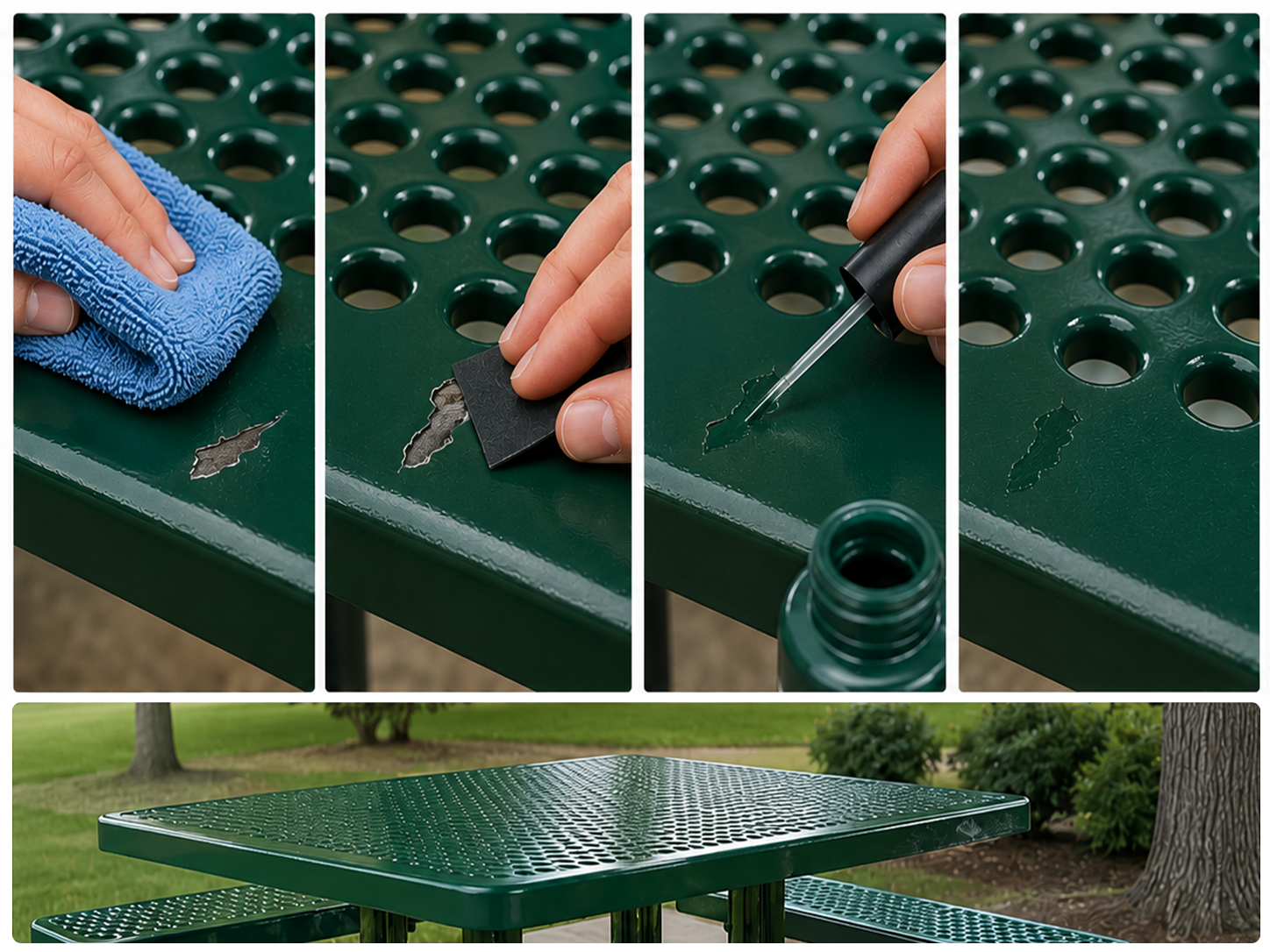
Step-by-Step Repair Procedure
- Clean the damaged area thoroughly.
Wash the damaged area with mild soap and water and allow it to dry. - Remove loose paint and smooth the edges.
Lightly sand the damaged area and feather the surrounding coating. - Clean the surface again.
Remove all sanding dust and debris. - Address bare metal immediately.
Remove visible corrosion and apply primer if necessary. - Mask the surrounding area.
Protect nearby surfaces from overspray. - Shake and test the paint.
Test the spray pattern on scrap cardboard first. - Apply several light coats.
Apply multiple light passes instead of one heavy coat. - Allow proper flash time between coats.
Follow the paint manufacturer's instructions. - Build coverage gradually.
Apply only enough paint to blend the repair. - Allow the repair to fully cure.
Keep the repaired area out of service until fully cured.
Pro Tip: Once the repair has cured, the area can be cleaned during normal maintenance. Avoid harsh abrasives, close-range pressure washing, or strong chemicals on the fresh repair until the coating has reached full cure.Major Thermoplastic Coating Repair
Major coating repairs are different from minor touch-ups. Larger damaged areas may require heating, blending, or recoating methods that should only be performed by trained personnel using the correct repair materials and safety equipment.
For major repairs involving heat, the safest article guidance is:
- Remove the table from public use before repair.
- Confirm the damage is cosmetic, not structural.
- Contact the manufacturer or dealer for the correct repair material.
- Use proper PPE, including gloves and eye protection.
- Work only in a clean, dry, well-ventilated area.
- Keep heat away from flammable materials, dry leaves, grass, paper, and solvents.
- Do not overheat, scorch, bubble, or burn the coating.
- Allow the repaired area to cool and cure before returning the table to use.
 Best Practice: For large damaged areas, broad rust exposure, peeling coating, or structural damage, replacement parts or professional refinishing are usually safer than field repair.
Common Causes of Thermoplastic Picnic Table Damage
Heavy Public Use
Busy parks, schools, and campgrounds may see scratches, worn edges, loose bolts, or surface damage from frequent daily use.
Lawn Equipment
Mowers, trimmers, and maintenance equipment can chip coating around legs, seats, and table edges.
Vandalism and Graffiti
Marker, paint, carving, or impact damage should be addressed quickly to protect the coating and appearance.
Moisture and Salt Exposure
Coastal air, road salt, standing water, and snow buildup can increase the risk of rust when metal is exposed.
Signs Your Picnic Table Needs Repair
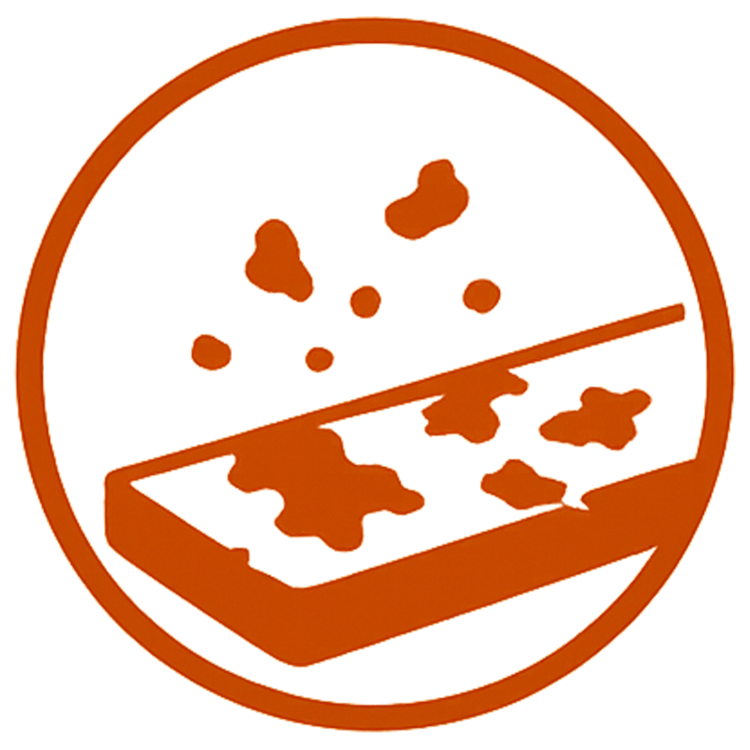 Rust SpotsCan spread under the coating.
 Loose HardwareCan cause instability.
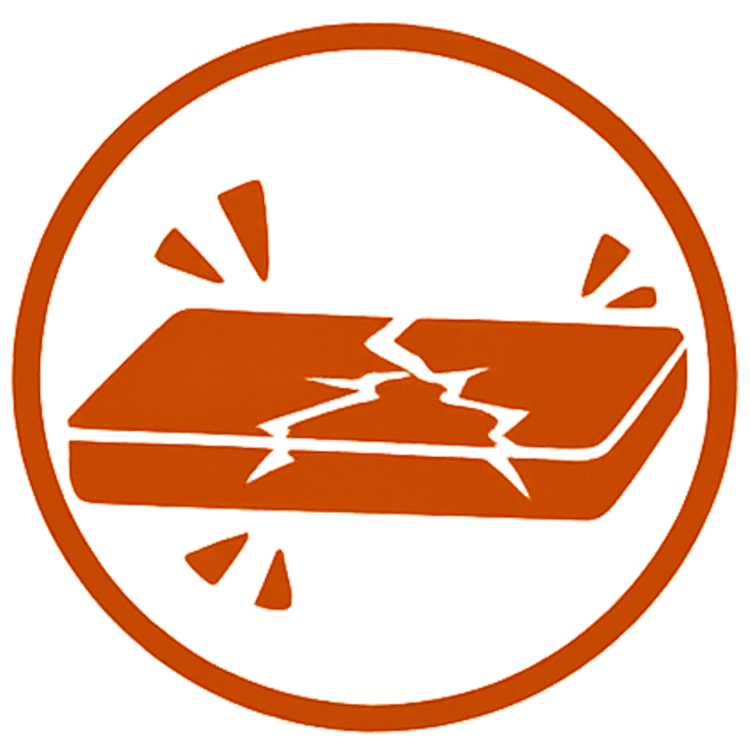 Cracked CoatingCan expose metal.
 Sharp EdgesCan create safety hazards.Important: If you notice exposed metal, rust, unstable frames, or sharp edges, repair the issue quickly or remove the table from use until it can be inspected.
Signs It May Be Time to Replace Your Picnic Table
- The frame is bent, cracked, or unstable.
- Rust has spread across multiple areas.
- The coating is peeling or failing in large sections.
- Seats or tabletops have sharp exposed edges.
- Replacement parts are unavailable or no longer fit.
- Repair costs are approaching the cost of a new table.
Should You Repair or Replace Your Thermoplastic Picnic Table?
| Issue | Repair May Be Enough | Replacement May Be Better |
|---|---|---|
| Small scratch | Yes, if coating is mostly intact | No, unless damage is widespread |
| Minor chip | Yes, if repaired quickly | Only if the area is large or spreading |
| Loose bolt | Yes, tighten or replace hardware | No, unless the mounting point is damaged |
| Bent frame | Usually no | Yes, if stability is affected |
Common Maintenance Mistakes to Avoid
- Using abrasive cleaners or wire brushes.
- Letting bird droppings, leaves, or food residue sit too long.
- Ignoring small chips until rust appears.
- Power washing too aggressively.
- Assuming all replacement parts are universal.
Frequently Asked Questions
How often should thermoplastic picnic tables be cleaned?
Can thermoplastic picnic tables rust?
Can I pressure wash a thermoplastic picnic table?
How do I remove graffiti from a thermoplastic picnic table?
Can scratches and chips be repaired?
What cleaners should I avoid using on thermoplastic picnic tables?
How long do thermoplastic picnic tables last?
Do thermoplastic picnic tables fade in the sun?
Should thermoplastic picnic tables be covered during the winter?
When should I replace a thermoplastic picnic table instead of repairing it?
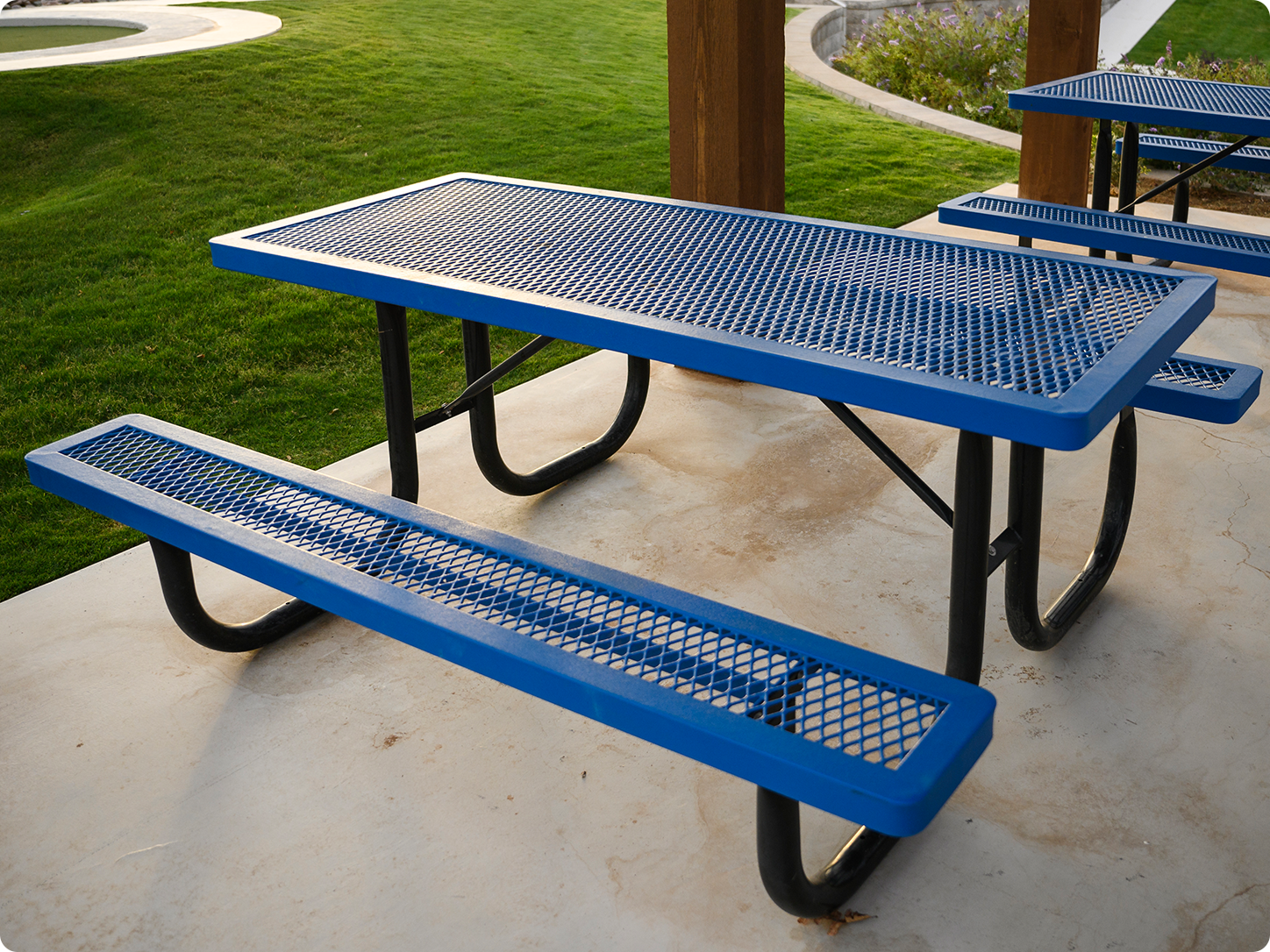
Is It Time to Replace Your Commercial Picnic Table?
Even with proper maintenance, every picnic table eventually reaches the end of its service life. If repairs are becoming more frequent or your table no longer provides a safe and attractive seating area, explore our selection of commercial picnic tables available in wood, thermoplastic, concrete, and recycled plastic materials.
Shop Commercial Picnic Tables →
Leave your comment