
Estimated Reading Time: 9 Minutes
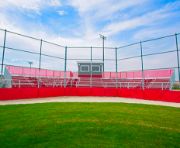
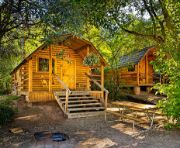
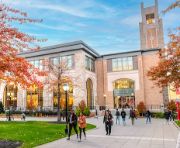
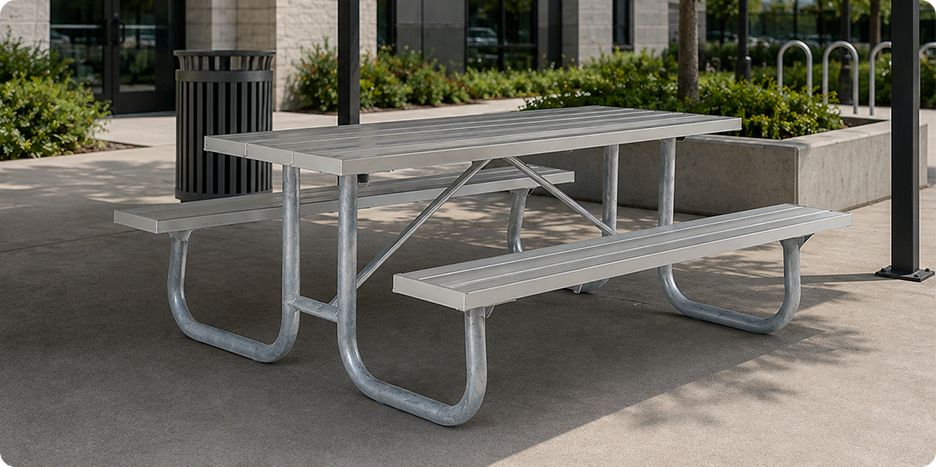
Aluminum picnic tables are popular for parks, schools, stadiums, campgrounds, recreation areas, and other commercial outdoor spaces because they combine durable seating with relatively simple upkeep. Unlike wood, aluminum will not rot or splinter, and routine maintenance generally does not require sanding, staining, or sealing.
Low maintenance, however, does not mean no maintenance. Dirt, food residue, pollen, salt, pool chemicals, loose hardware, damaged finishes, and years of outdoor exposure can still affect the appearance and performance of a table. A simple cleaning and inspection routine can help your commercial aluminum picnic tables stay clean, attractive, and ready for daily use. If you are still comparing aluminum with other options, our guide to choosing the best material for a commercial picnic table explains how popular commercial materials differ.


Why Does Aluminum Picnic Table Maintenance Matter?
Aluminum is naturally well suited to outdoor use. It does not rust in the same way that iron or untreated steel does, and anodized aluminum provides an additional protective surface that helps it withstand weather exposure and everyday use.
Even so, outdoor picnic tables collect dirt and environmental residue. Food spills may leave sticky areas, pollen can accumulate on horizontal surfaces, bird droppings may stain if ignored, and coastal salt or pool chemicals can remain on the surface after moisture evaporates.
The aluminum top and seats are also only part of the table. Many commercial aluminum picnic tables use galvanized or powder-coated steel frame components, fasteners, mounting hardware, and other structural parts that should be included during routine inspections.
Helpful Tip: Inspect the entire picnic table rather than looking only at the aluminum planks. Check the frame, bolts, welds, mounting points, and areas where components connect.
Maintenance needs can vary considerably by material. For comparison, see our guides on maintaining thermoplastic-coated picnic tables, caring for wooden picnic tables, and maintaining concrete picnic tables.
Do Aluminum Picnic Tables Rust?
Aluminum does not rust because rust is iron oxide and requires iron. Aluminum can instead develop oxidation when exposed to oxygen and moisture. In many situations, this thin oxide layer actually helps protect the underlying aluminum from further deterioration.
That does not mean every component of an aluminum picnic table is immune to corrosion. Commercial tables may also contain galvanized steel frames, powder-coated steel components, bolts, fasteners, or mounting hardware. Damage to a protective coating or years of exposure to harsh conditions can make these areas more important to inspect.
Remember: If you see corrosion around a frame, bolt, or mounting point, determine which material is affected before choosing a cleaning or repair method.
Seasonal Aluminum Picnic Table Maintenance Schedule
Aluminum tables do not require the refinishing schedule associated with wood, but a quick seasonal inspection is still useful for commercial locations. High-traffic facilities or harsh environments may need more frequent attention.
Wash away winter grime, inspect the frame and hardware, and check mounting points before peak outdoor use begins.
Remove food spills, sunscreen residue, pollen, bird droppings, and buildup caused by frequent use.
Clear leaves and organic debris from the tabletop, seats, frame connections, and surrounding surface.
Inspect after severe weather and avoid allowing heavy debris, standing water, snow, or ice to remain unnecessarily.
How to Clean an Aluminum Picnic Table
For routine cleaning, start with the gentlest method needed. Mild soap, clean water, and non-abrasive cleaning tools are generally appropriate for removing everyday dirt and residue without unnecessarily scratching the surface.
Remove Loose Debris
Brush away leaves, dirt, food crumbs, grass clippings, pine needles, and other loose material from the tabletop, seats, frame, and connections.
Rinse the Surface
Use clean water to loosen pollen, dust, mud, and other surface residue before scrubbing.
Wash With Mild Soap
Mix mild soap with warm water and clean the aluminum using a soft cloth, sponge, or soft-bristle brush.
Rinse Thoroughly
Rinse away soap and loosened debris with clean water. Pay attention to grooves, connections, and areas beneath the seats where residue can collect.
Inspect the Table
While the table is clean, check the aluminum, frame, hardware, welds, and mounting points for damage, looseness, or unusual corrosion.
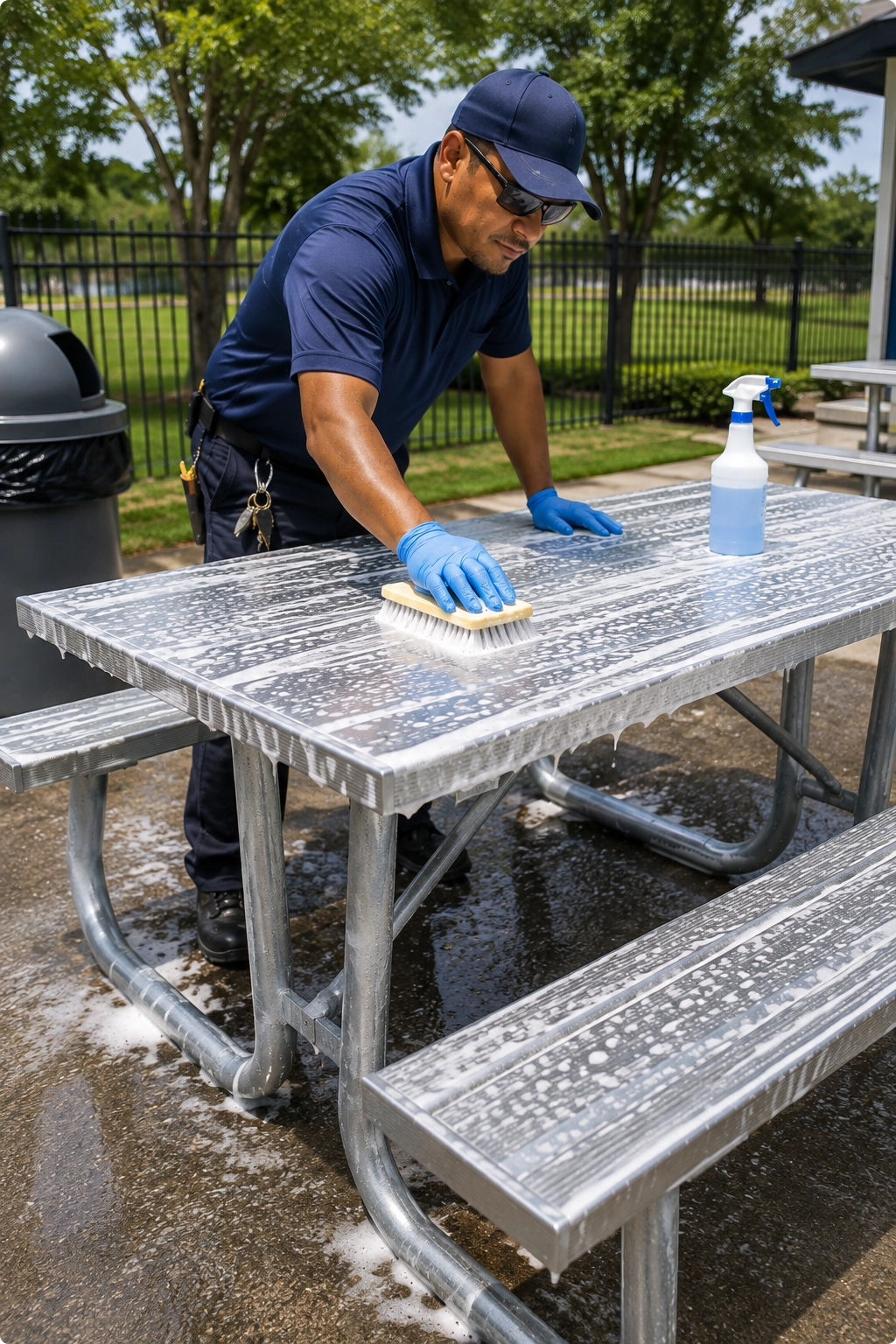
Helpful Tip: Cleaning is an ideal time to perform an inspection because dirt and debris are no longer hiding bolts, welds, surface damage, or mounting hardware.
What Should You Avoid When Cleaning Aluminum?
Aluminum is durable, but aggressive cleaning can create unnecessary surface damage. A commercial maintenance crew should avoid reaching immediately for the strongest available cleaner or most abrasive tool.
Abrasive cleaning tools may scratch or alter the appearance of an anodized or finished surface.
Strong acidic, alkaline, or solvent-based cleaners may react with aluminum or damage protective finishes.
High pressure may damage finishes, force water into connections, or affect surrounding surfaces. Use gentler cleaning whenever possible.
Test specialized cleaners carefully and follow the picnic table or cleaner manufacturer's recommendations before treating a large area.
How Often Should Aluminum Picnic Tables Be Cleaned?
There is no single cleaning schedule that fits every property. A lightly used table in a covered courtyard will require less attention than a picnic table beside a concession stand, swimming pool, beach, or busy school.
| Location | Typical Maintenance Need | What to Watch For |
|---|---|---|
| Parks & Campgrounds | Routine seasonal cleaning plus cleaning as needed | Leaves, dirt, food residue, bird droppings, loose hardware |
| Schools & Universities | More frequent cleaning during high-use periods | Food spills, drink residue, marker, heavy daily use |
| Stadiums & Recreation Areas | Clean according to event and traffic levels | Food, beverages, trash, movement, frame damage |
| Pool & Splash Pad Areas | Rinse more frequently | Chlorinated water, sunscreen, moisture, chemical residue |
| Coastal Properties | Frequent freshwater rinsing may be beneficial | Salt deposits, hardware corrosion, finish deterioration |
Maintaining Aluminum Picnic Tables in Harsh Environments
Location can have a major effect on how often a table should be cleaned. Facilities exposed to salt, chlorine, irrigation water, heavy traffic, or persistent organic debris should adjust their maintenance schedule accordingly.
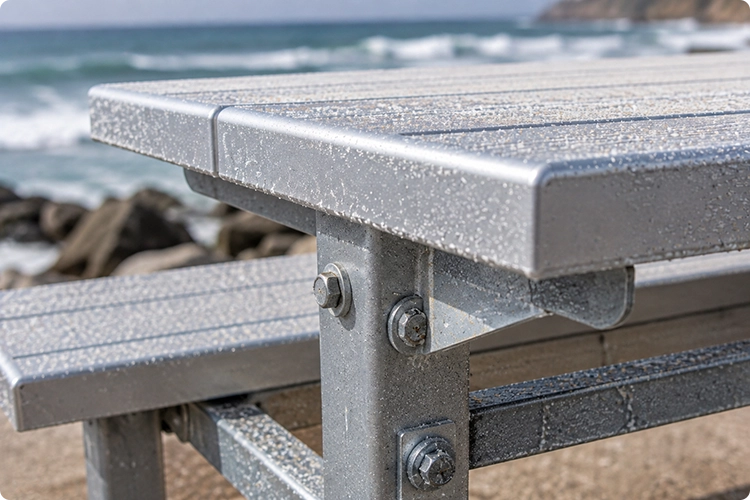
Coastal Areas
Salt carried by ocean air can settle on the aluminum, frame, fasteners, and mounting hardware. Periodic freshwater rinsing helps remove salt deposits before they accumulate.
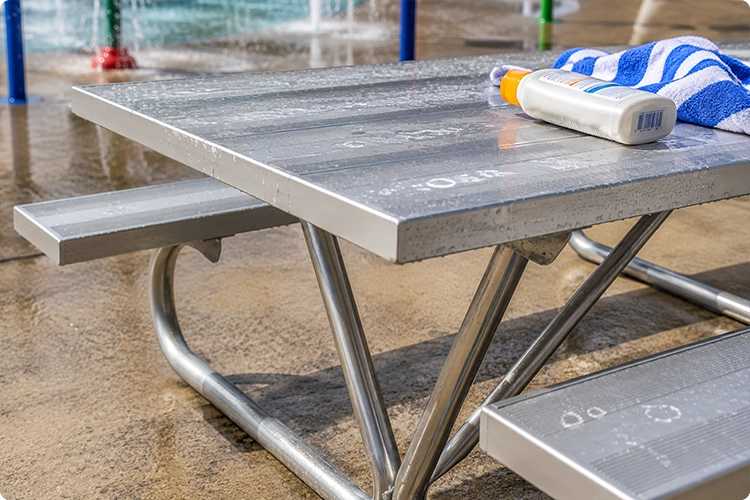
Pools & Splash Pads
Chlorinated water, sunscreen, and other residue may repeatedly reach nearby picnic tables. Rinse exposed surfaces and inspect metal components regularly.
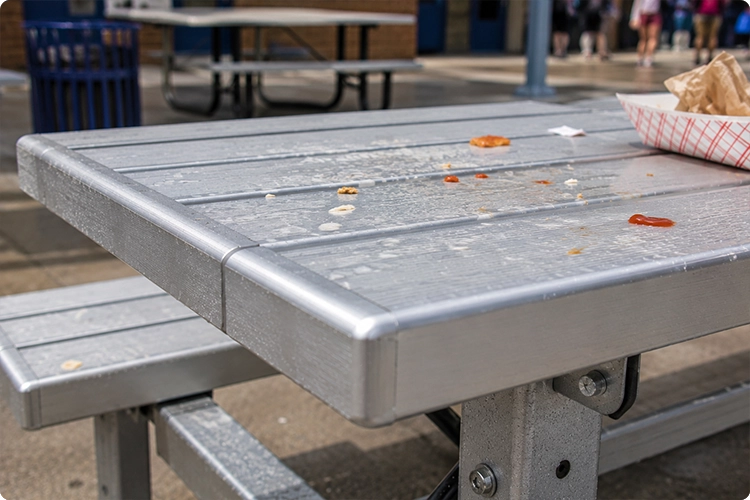
High-Traffic Facilities
Schools, parks, stadiums, and food-service areas may need more frequent cleaning simply because more people use the tables and more spills occur.
How Do You Remove Common Messes From an Aluminum Picnic Table?
| Mess | Recommended First Step | Maintenance Tip |
|---|---|---|
| Food & Drink Spills | Mild soap and warm water | Clean promptly before sticky residue attracts dirt. |
| Bird Droppings | Soften with water, then wash gently | Avoid scraping dried material with metal tools. |
| Pollen & Dust | Rinse with clean water | Wash with mild soap if a film remains. |
| Mud | Allow heavy material to loosen, then rinse | Do not grind sandy debris into the surface while scrubbing. |
| Tree Sap | Begin with mild soap and warm water | Use stronger cleaners only when appropriate for the finish. |
| Marker or Graffiti | Follow manufacturer-approved cleaning guidance | Test unfamiliar cleaners in an inconspicuous area first. |
Don't Forget the Galvanized or Powder-Coated Frame
One of the most important maintenance mistakes is treating an aluminum picnic table as though every component is aluminum. Many commercial models pair aluminum tops and seats with a galvanized or powder-coated steel frame.
During each inspection, look underneath the table as well as across the seating surfaces. Check tubes, braces, attachment points, and hardware for signs of damage.
- Look for loose, missing, or damaged bolts and fasteners.
- Inspect galvanized surfaces for unusual corrosion or damage.
- Check powder-coated components for chips, scratches, or exposed metal.
- Inspect frame connections for movement or instability.
- Look for bent or damaged structural components.
- Make sure the table sits securely and evenly.
Bolted vs. Welded Aluminum Picnic Table Maintenance
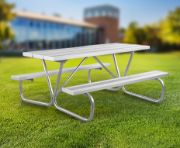
Picnic Table Supplier offers both bolted-frame aluminum picnic tables and welded-frame aluminum picnic tables. The basic cleaning process is similar, but the inspection points are slightly different.
| Frame Style | What to Inspect | Why It Matters |
|---|---|---|
| Bolted Frame | Bolts, nuts, fasteners, brackets, and connection points | Hardware may gradually loosen through movement and frequent use. |
| Welded Frame | Welds, joints, frame tubes, and structural connections | Cracked welds, impact damage, or bent components may affect stability. |
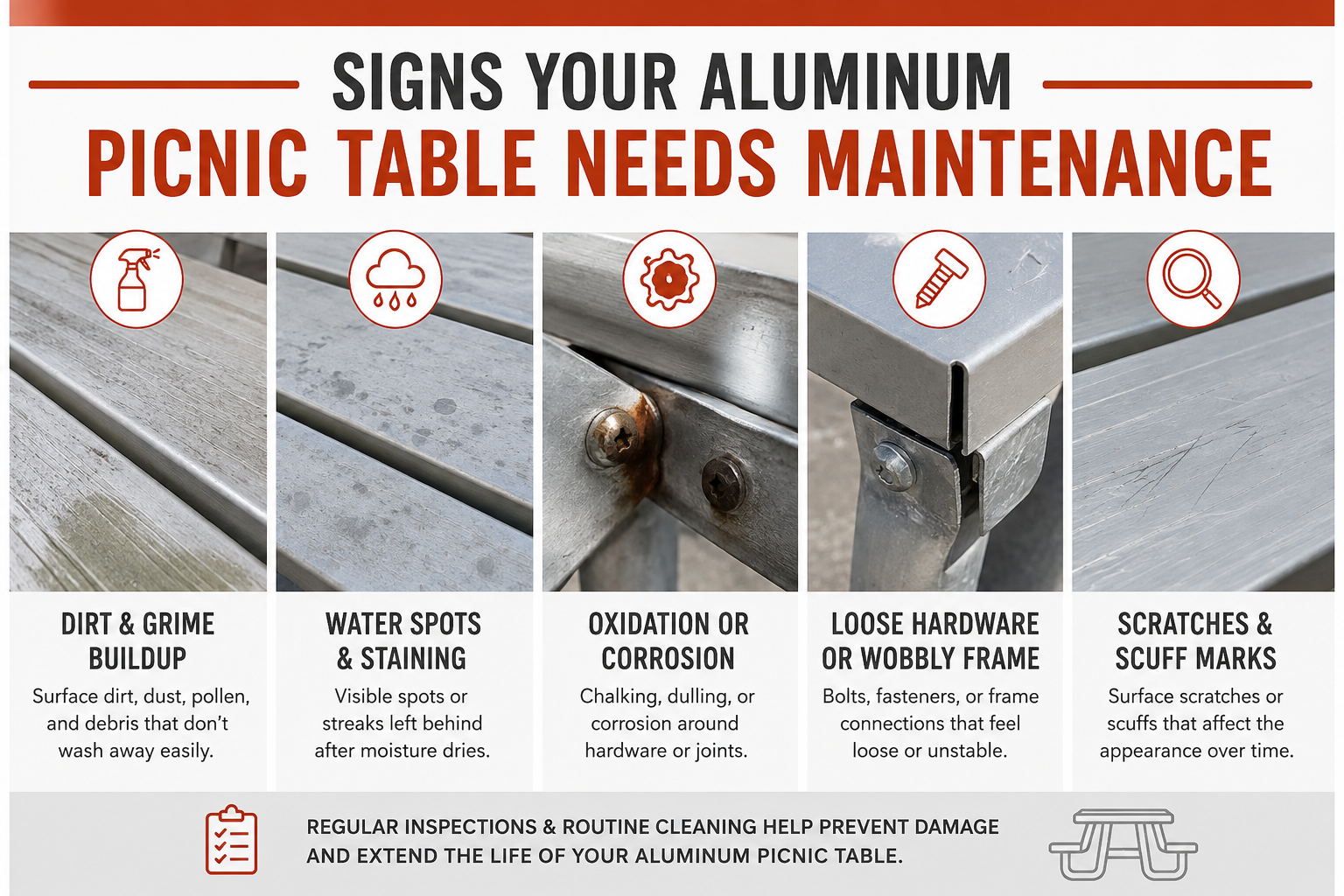
Signs Your Aluminum Picnic Table Needs Maintenance
Aluminum picnic tables often require relatively little maintenance, but they should still be inspected for changes that could indicate a developing problem.
- Loose Hardware: Bolts, nuts, or other fasteners have loosened or are missing.
- Table Movement: The table rocks, shifts, or no longer sits securely.
- Bent Aluminum: A tabletop or seat plank has been damaged by impact or misuse.
- Damaged Welds: Cracks or separation appear around welded frame connections.
- Chipped Frame Finish: Powder coating has been damaged and underlying metal is exposed.
- Persistent Corrosion: Corrosion develops around the frame, hardware, or mounting points.
- Sharp Edges: Impact damage creates a rough or unsafe seating surface.
- Damaged Anchors: A surface-mount or in-ground installation begins to move.
Helpful Tip: A table that suddenly rocks, shifts, or feels less stable than usual deserves a closer inspection even if no obvious damage is visible from above.
Can Aluminum Picnic Tables Be Repaired?
Many problems can be addressed without replacing the entire picnic table, particularly when damage is limited to hardware or an individual component. Whether a repair is practical depends on the table design, availability of replacement components, and severity of the damage.
| Issue | Possible Action | Priority |
|---|---|---|
| Loose Hardware | Tighten or replace appropriate fasteners | Address Promptly |
| Missing Hardware | Install the correct replacement hardware | Address Promptly |
| Minor Surface Buildup | Clean using an appropriate non-abrasive method | Routine Maintenance |
| Damaged Powder Coating | Evaluate appropriate touch-up or repair procedure | Inspect Soon |
| Bent Seat or Top | Evaluate replacement component availability | Inspect Before Continued Use |
| Damaged Weld | Have the structural connection professionally evaluated | High Priority |
| Major Frame Damage | Evaluate repair cost versus table replacement | High Priority |
Common Aluminum Picnic Table Maintenance Mistakes to Avoid
The aluminum may require little upkeep, but the frame, hardware, welds, and mounting system still need attention.
Steel wool, aggressive pads, and metal scrapers can scratch finished aluminum surfaces.
Tables near beaches, pools, and splash pads benefit from more frequent rinsing with clean water.
Small amounts of movement can place additional stress on connections and other structural components.
Dirt and moisture can collect underneath seats, around frame connections, and near mounting points.
Seasonal inspections can reveal minor problems before they develop into larger repair or replacement needs.
When Should You Replace an Aluminum Picnic Table?
Cosmetic wear does not automatically mean an aluminum picnic table needs to be replaced. Replacement becomes more important when structural condition, stability, or user safety is compromised, and practical repairs are no longer sufficient.
Consider replacement when you find:
- Major structural frame damage.
- Multiple cracked or failed welds.
- Severely bent seating or tabletop components.
- Sharp or damaged surfaces that cannot be safely repaired.
- Extensive deterioration around critical frame connections.
- Repeated hardware or stability problems.
- Damaged mounting points that prevent the table from remaining secure.
- Repair costs that approach the cost of a replacement table.
Key Takeaways
- Clean aluminum picnic tables with mild soap, clean water, and non-abrasive tools.
- Remove food, dirt, salt, chlorine residue, and organic debris before buildup becomes difficult to clean.
- Inspect the frame and hardware in addition to the aluminum tabletop and seats.
- Check bolted tables for loose fasteners and welded tables for damaged structural connections.
- Inspect surface-mount and in-ground mounting points for movement or damage.
- Increase cleaning frequency in coastal, poolside, and high-traffic environments.
- Address structural problems promptly rather than waiting for a table to become unstable.
FAQs About Aluminum Picnic Table Maintenance
What is the best way to clean an aluminum picnic table?
For routine cleaning, use mild soap and warm water with a soft cloth, sponge, or soft-bristle brush. Rinse thoroughly with clean water afterward.
Do aluminum picnic tables rust?
Aluminum does not rust because rust is iron oxide. Aluminum can oxidize, however, and other components such as steel frames, fasteners, or mounting hardware should also be inspected for corrosion.
How often should an aluminum picnic table be cleaned?
Clean the table whenever dirt, spills, pollen, bird droppings, salt, or other residue accumulates. Commercial tables should also receive periodic inspections, with more frequent care in high-traffic or harsh environments.
Can you pressure wash an aluminum picnic table?
Gentle cleaning with soap and water is generally preferable. If pressure washing is considered, follow the table manufacturer's recommendations and avoid excessive pressure that could damage finishes or surrounding components.
Can you use bleach on an aluminum picnic table?
Avoid using strong or harsh chemicals unless they are specifically approved for the table's aluminum and finish. Mild soap and water should be the first choice for routine cleaning.
Do anodized aluminum picnic tables need to be sealed?
Anodized aluminum generally does not require the recurring staining or sealing associated with wooden picnic tables. Routine cleaning and inspection are typically more important.
How do you maintain an aluminum picnic table near the ocean?
Periodically rinse the table with fresh water to remove salt deposits and sand, and pay extra attention to frames, fasteners, welds, and mounting hardware during inspections.
How do you maintain an aluminum picnic table near a swimming pool?
Rinse away chlorinated water, sunscreen, and other poolside residue regularly. Inspect the frame and hardware as well as the aluminum seating surfaces.
Can a damaged aluminum picnic table be repaired?
Often, yes. Loose hardware and some individual damaged components may be repaired or replaced. Significant frame, weld, or mounting damage should be evaluated before the table remains in service.
Are aluminum picnic tables low maintenance?
Yes. Aluminum picnic tables are generally considered a low-maintenance commercial seating option because they do not require the regular staining, sealing, or splinter repair associated with wood. They still benefit from routine cleaning and inspections.
Looking for a Low-Maintenance Commercial Picnic Table?
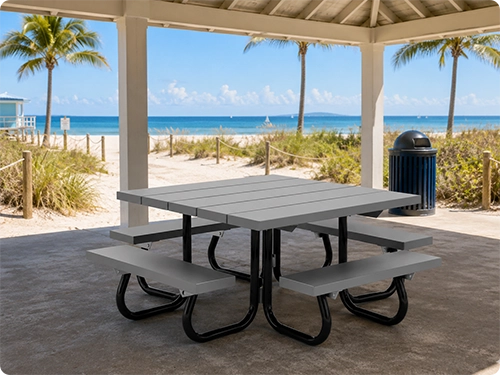
Aluminum picnic tables provide durable outdoor seating without the recurring refinishing required by many traditional materials. Explore commercial aluminum tables in multiple sizes, frame styles, and configurations for parks, schools, stadiums, recreation areas, and other public spaces.
Shop Aluminum Picnic Tables
Leave your comment