
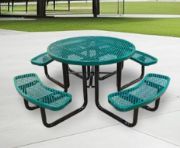
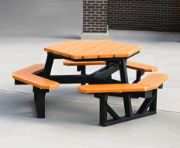
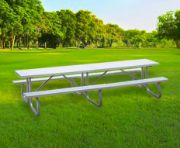
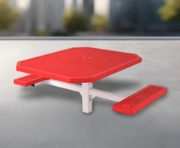

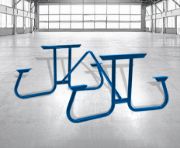
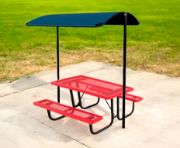
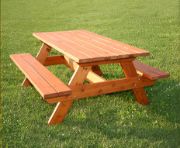
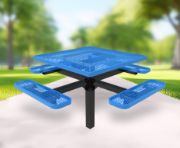
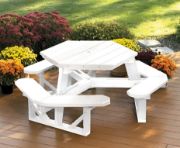
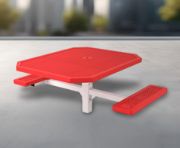
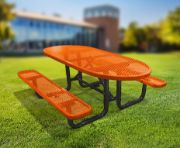
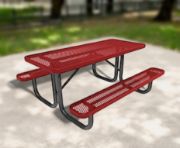
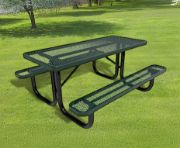
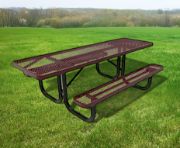
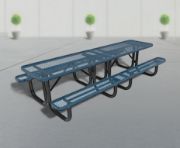
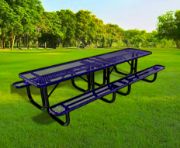
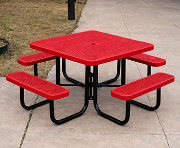
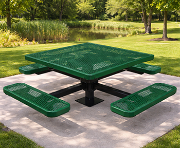
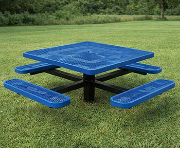




Choosing the right picnic table frame is about more than appearance. The frame affects comfort, accessibility, maintenance, and how well the table performs in parks, schools, HOAs, restaurants, and other commercial settings. Some frame styles are built for maximum legroom, some improve user access, and others are designed for layout flexibility or heavy public use.
This guide breaks down the most common commercial picnic table frame types, explains how each one is built, and outlines the practical benefits each design brings to an outdoor space.
Quick Comparison of Commercial Picnic Table Frame Types
Use this quick comparison chart to narrow down the best commercial picnic table frame style for your layout, traffic level, and user needs.
| Frame Type | Best For | Main Advantage |
|---|---|---|
| A-Frame | Parks, schools, campgrounds | Reliable durability and value |
| Walk-Through | Break areas, restaurants, high-turnover spaces | Easier entry and exit |
| Walk-In | Accessible layouts, mixed-use spaces | Open-sided access and easier maintenance |
| Single Pedestal | Patios, dining spaces, modern amenities | Maximum legroom |
| Double End Pedestal | Parks, plazas, campuses | Open seating with added support for longer tables |
| 4-4 Pedestal | Organized seating areas | Balanced support and defined seating |
| Nexus or Web | Urban spaces, high-traffic installations | Rigid, heavy-duty frame performance |
| Crossleg | Parks, nature areas, rustic settings | Strong support with improved leg clearance |
| Detached Benches | Flexible layouts and event spaces | Movable seating arrangement |
| Individual Seat | Corporate campuses, public amenities | Defined personal seating space |
| Elementary or Kids Height | Daycares, schools, playgrounds | Proper sizing for younger users |
| Bar Height | Restaurants, breweries, hospitality spaces | Social, elevated seating experience |
| ADA | Parks, schools, public facilities | Accessible seating for wheelchair users |
A-Frame Picnic Table Frames
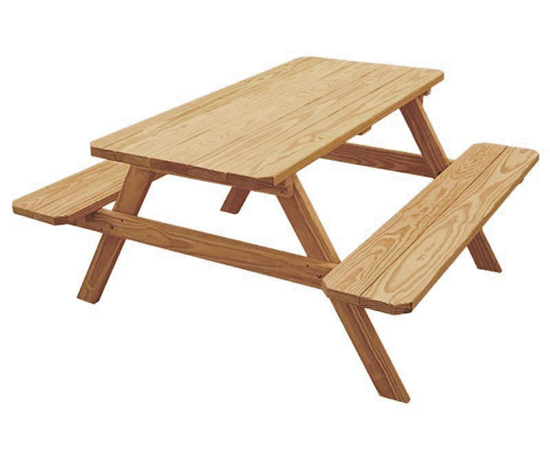
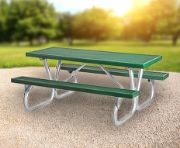
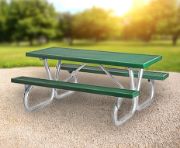
An A-frame picnic table uses sloped legs on each side that connect to a center support, creating the familiar triangular profile most people associate with traditional picnic tables.
Benefits: A-frame designs are popular because they offer dependable strength without unnecessary complexity. The triangular structure helps distribute weight efficiently, which supports long-term durability in parks, schools, and campgrounds. They are also often one of the more economical options for larger projects, making them attractive for municipalities and budget-conscious commercial buyers. Since the benches are usually attached, the layout stays consistent, and the seating is less likely to shift, disappear, or create maintenance issues.
Walk-Through Picnic Table Frames
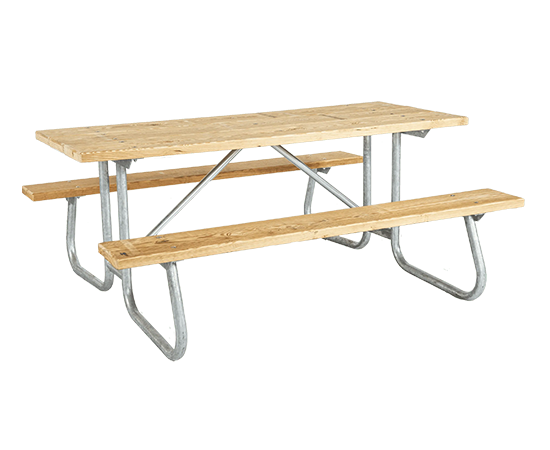
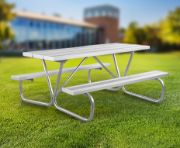
A walk-through picnic table frame adjusts the support layout so users can move into the seating area more naturally, rather than climbing over a bench.
Benefits: This style improves the day-to-day user experience by making entry and exit easier for a wide range of people, including older adults, children, and anyone carrying bags, food trays, or supplies. In commercial settings where tables are used repeatedly throughout the day, easier access supports smoother traffic flow and puts less wear on the seating because people are not constantly stepping on benches to get in and out.
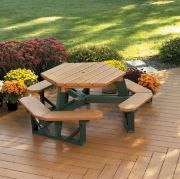
Walk-In Picnic Table Frames
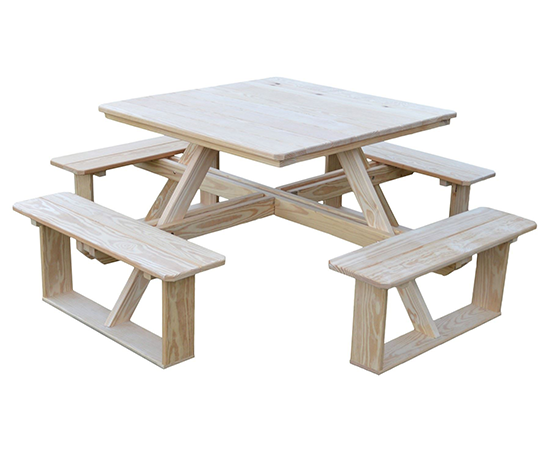
A walk-in picnic table frame creates a more open entry point on one side of the table, giving users a direct path into position.
Benefits: This design feels less restrictive and can make the table more comfortable for people who need extra room to move around. In patios, courtyards, and other tighter outdoor layouts, the more open structure can also help the space feel cleaner and less crowded.
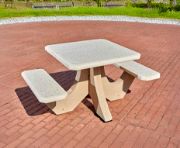
Single Pedestal Picnic Table Frames
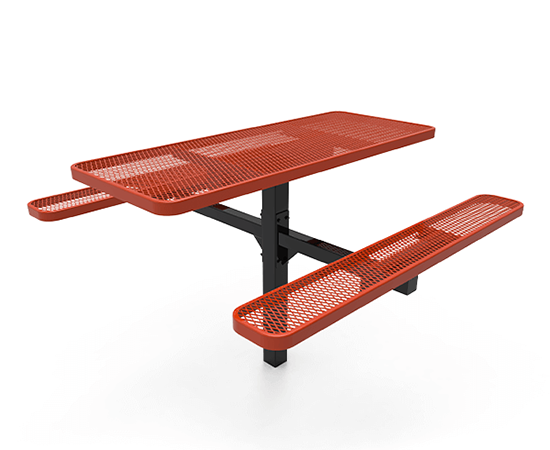
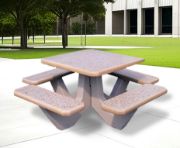
A single pedestal picnic table uses a center-mounted support column instead of traditional side legs, creating a more open area below the table.
Benefits: The biggest advantage is legroom. Without side supports interfering with seating positions, users can slide in more easily and sit more comfortably from different angles. The open underside also makes cleaning simpler because there are fewer obstacles when sweeping debris, blowing leaves, or trimming around the base. This frame style also brings a cleaner, more contemporary appearance that works well in hospitality spaces, amenity areas, and more design-conscious commercial settings.
Double-End Pedestal Picnic Table Frames
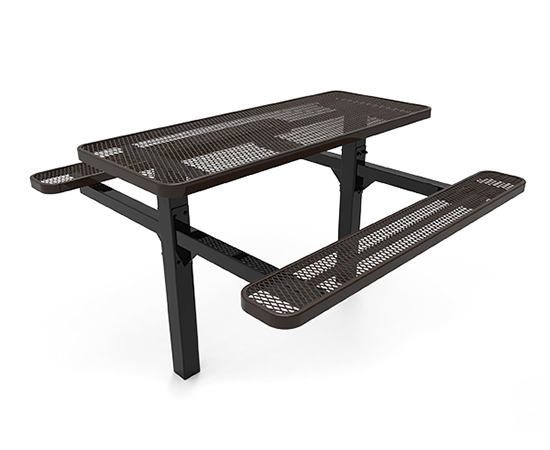
A double-end pedestal frame uses two support columns instead of one, typically positioned near the ends of the tabletop to provide additional support.
Benefits: This setup is especially helpful on longer tables because it improves overall balance and reduces the chance of sagging or flexing over time. At the same time, it preserves much of the open feel that makes pedestal designs appealing in the first place. Users still benefit from better legroom and fewer obstructions underneath, while site owners get a stronger frame for heavier-duty commercial use.
4-4 Pedestal Picnic Table Frames
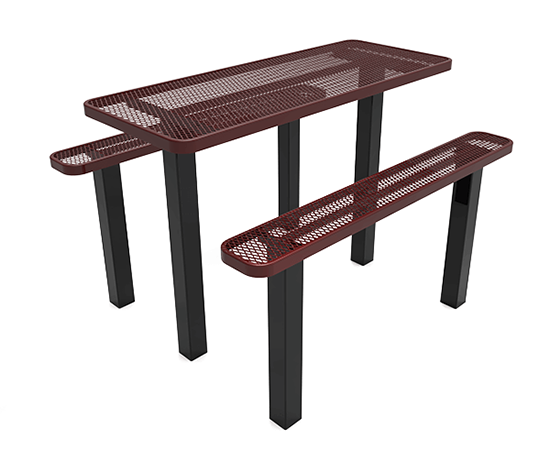
A 4-4 pedestal configuration uses several support points to create a more structured frame arrangement under the tabletop and seating areas.
Benefits: By spreading support across multiple locations, this design helps distribute weight evenly and reduces stress on any one section of the frame. It also creates a more defined seating pattern, which can be helpful in schools, campuses, and other organized environments where a clear seating structure is preferred. This type of frame feels intentional and balanced, making it a strong option for installations where both order and durability matter.
Nexus or Web Picnic Table Frames
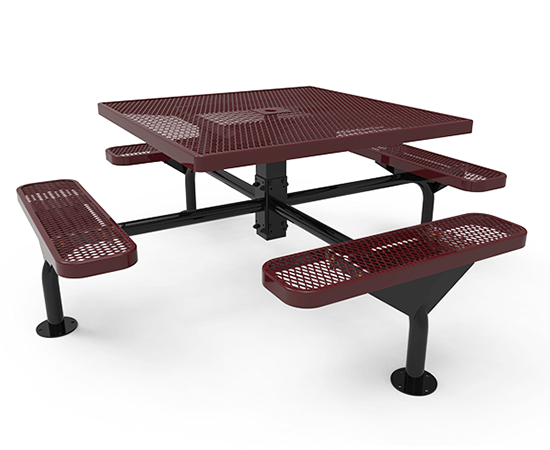
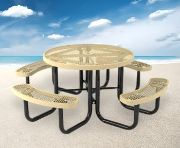
A nexus or web frame uses a more engineered support system underneath the table, with interconnected members. This design creates a rigid, reinforced structure that suspends the table top from the bench legs.
Benefits: This style is built for demanding public use. The interconnected frame helps reduce wobble and flexing, which allows the table to feel solid even after years of regular use. That makes it a smart fit for urban spaces, schools, public gathering areas, and other high-traffic environments. Another benefit is appearance. The web-like structure often looks more architectural and modern than a basic frame, which can elevate the overall look of an outdoor seating area.
Crossleg Picnic Table Frames
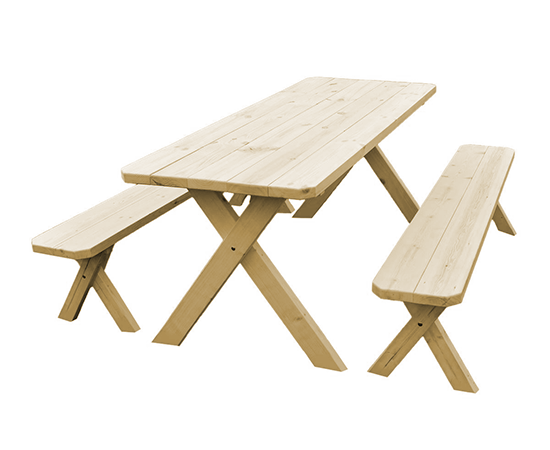
A crossleg frame replaces straight vertical supports with angled legs that intersect, creating an X-style or sawbuck base.
Benefits: This shape provides dependable support while opening up more usable foot and knee space beneath the table compared to some straight-leg designs. That can make the seating area feel more comfortable and less cramped. Crossleg frames also bring a more classic or rustic visual style, which makes them especially appealing for restaurants, campgrounds, and natural outdoor environments where a traditional look fits the setting.
Detached Bench Picnic Table Configurations
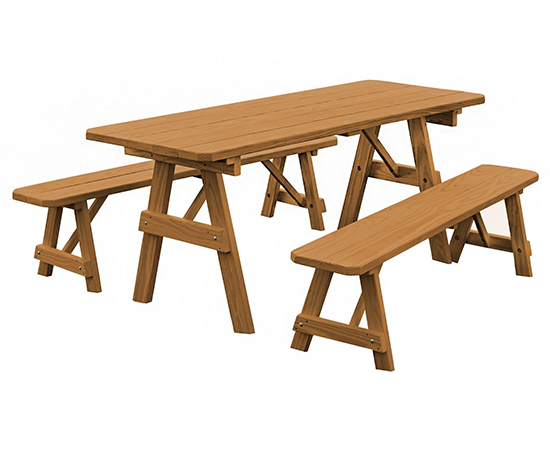
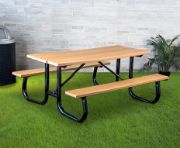
A detached bench configuration separates the seating from the table itself, instead of building everything into one connected unit.
Benefits: The main advantage is flexibility. Benches can be repositioned to suit different group sizes, event needs, or layout changes. If one component is damaged, it may be replaced without affecting the rest of the setup. Detached benches can also make a space easier to reconfigure for cleaning, gatherings, or seasonal adjustments. This makes them useful in event spaces, restaurant patios, and multi-purpose commercial outdoor areas where adaptability is a priority.
Individual Seat Picnic Tables
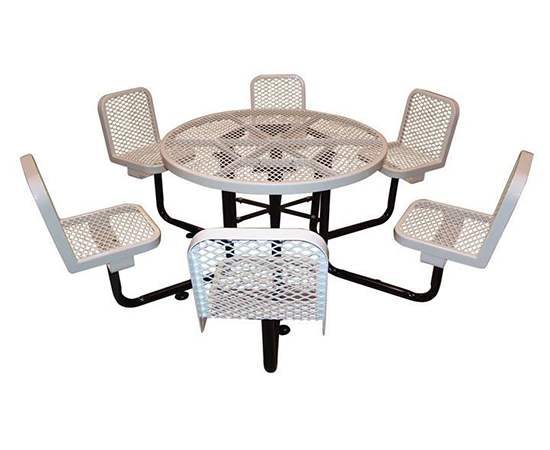
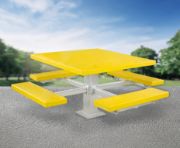
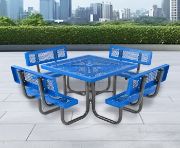
Individual seat picnic tables replace long bench seating with separate seats mounted around the table frame.
Benefits: This setup creates more defined personal space for each user, which often improves comfort and reduces crowding. It can also make entry and exit easier because users do not need to slide along a shared bench or navigate around others already seated. In commercial environments such as campuses, public spaces, and higher-end amenity areas, individual seats can create a more organized and intentional seating experience.
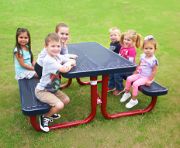
Elementary or Kids Height Picnic Table Frames
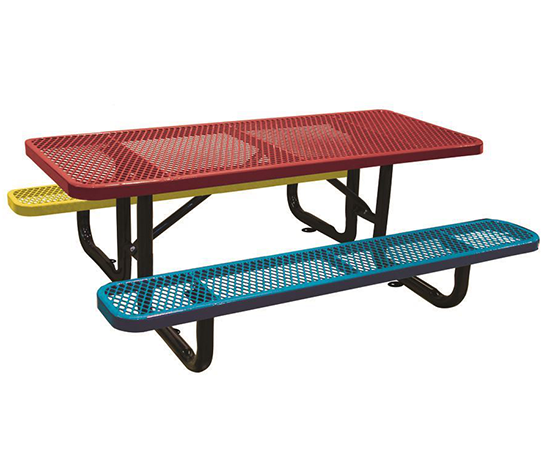
Elementary or kids' height picnic tables use the same basic structural concepts as larger commercial tables, but they are proportioned specifically for children.
Benefits: Proper sizing has a direct impact on comfort and usability. When a table is too tall, children may struggle to climb in, rest their arms naturally, or sit with good posture. A child-sized frame helps create a safer and more comfortable experience while supporting independent use in daycares, schools, and playgrounds. For a closer look at sizing by age group, see our guide to choosing the right kids picnic table size.
Bar Height Picnic Table Frames
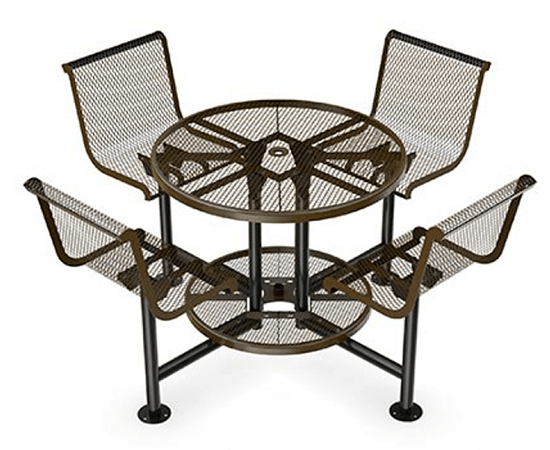
A bar height picnic table uses a taller frame than a standard picnic table, creating an elevated surface for stools or more casual standing interaction.
Benefits: This height changes the feel of the space. It encourages a more social atmosphere where people can gather casually, move in and out more quickly, and interact more naturally than they might at a standard-height table. That makes bar height frames especially effective for restaurant patios, breweries, rooftop spaces, club areas, and hospitality environments where guest experience is important. For more on this application, see our article on the benefits of high-top picnic tables for guest experience.
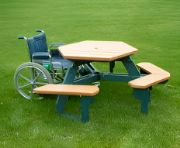
ADA Picnic Table Frames
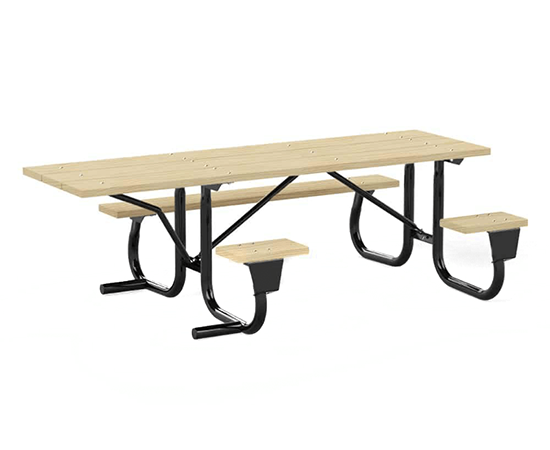
An ADA picnic table frame is designed to provide accessible seating by creating the needed space for wheelchair users to approach and use the table comfortably.
Benefits: The benefits go beyond compliance. An ADA-friendly table makes the outdoor space more inclusive and functional for a broader range of users, including families, caregivers, and people with different mobility needs. The open access area helps accommodate a wheelchair approach, while the modified support layout preserves the knee and toe clearance needed for practical use.
Why Picnic Table Frame Type Matters
The frame of a picnic table influences more than structural support. It affects how people get in and out of the seating area, how open the table feels once seated, how easy it is to maintain the surrounding space, and whether the table is the right fit for children, hospitality settings, or accessible public environments. Matching the frame style to the intended use can improve comfort, layout efficiency, and long-term value.
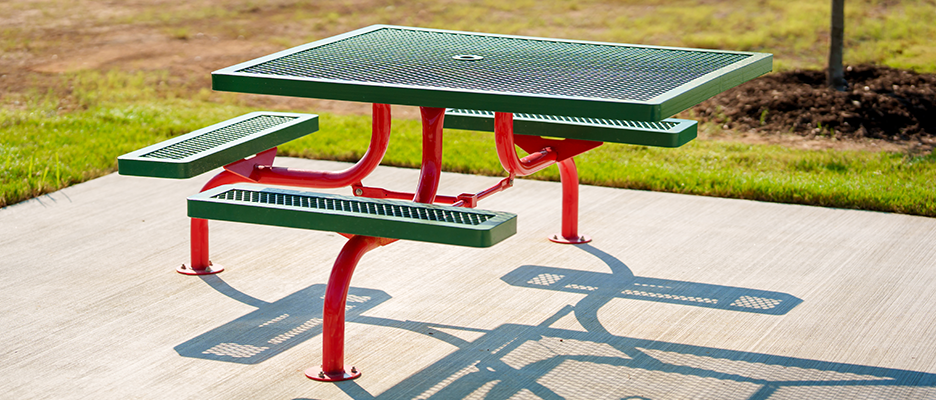
How to Choose the Right Picnic Table Frame for Your Space
The best picnic table frame depends on how the space will be used. A-frame tables are often the right choice for parks, schools, and large public projects that need dependable performance at a practical price point. Walk-through and walk-in styles make sense where easier entry and user flow are priorities. Pedestal frames are ideal when you want better legroom, easier cleanup, and a more modern appearance. Nexus or web frames are a smart fit for demanding public environments that need a rigid, heavy-duty structure. Detached bench layouts work well when flexibility matters, while kids' height and ADA configurations serve very specific user needs that should be planned intentionally.
It also helps to consider how the space will be maintained. If crews will regularly sweep, blow off debris, or trim grass around the tables, a frame with fewer obstructions underneath can save time and simplify upkeep. Matching the frame to the environment leads to a better user experience and better long-term value.
Frequently Asked Questions About Picnic Table Frames
What is the most durable picnic table frame type?
Nexus or web frames and well-built pedestal frames are often among the most durable because they are designed to distribute weight efficiently and reduce frame movement over time. Traditional A-frame picnic tables are also a strong, dependable option for many commercial uses.
What picnic table frame is easiest to maintain?
Pedestal picnic table frames are often easier to maintain because there are fewer supports underneath. That makes it easier to sweep around them, use a blower, or trim weeds and grass near the base.
What picnic table frame is best for schools?
A-frame, kids' height, ADA, and some pedestal styles can all work well for schools, depending on the age group and intended use. Many schools benefit from using a mix of frame types across the property.
Are pedestal picnic tables better than A-frame picnic tables?
Not necessarily. Pedestal picnic tables typically offer more legroom and a more open, modern appearance, while A-frame picnic tables are often more economical and familiar in parks and school settings. The better option depends on the project goals and environment.
What makes a picnic table ADA-compliant?
An ADA picnic table must provide accessible tabletop space, proper knee and toe clearance, and a usable approach for wheelchair users. The frame design matters because it determines how open and functional that seating position will be. For a deeper look at design requirements, visit our guide to ADA picnic table compliance requirements.
Choosing the Right Commercial Picnic Table Frame with Confidence
Selecting the right picnic table frame is one of the most important decisions when planning a commercial outdoor space. The frame affects comfort, accessibility, maintenance, appearance, and long-term performance. By choosing a frame style that matches your layout, traffic level, and user needs, you can create an outdoor seating area that works better for everyone.
If you are comparing options for parks, schools, HOAs, restaurants, or public facilities, the right frame type can make a meaningful difference in both day-to-day usability and long-term value.
Leave your comment