
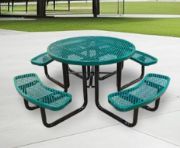
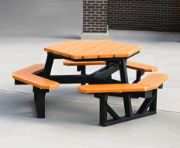
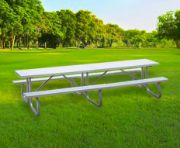
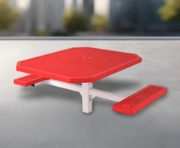


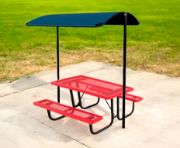
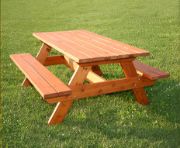
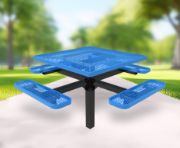
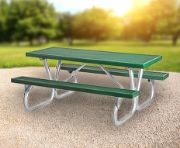
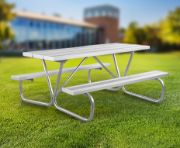
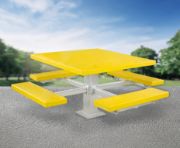
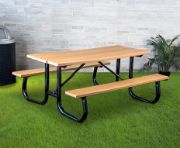
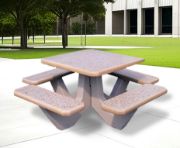









_936.png "Choosing the Right Size Kids Picnic Table for Different Age Groups")
Selecting the right size picnic table for children isn’t just about comfort — it directly impacts safety, usability, and how often the tables actually get used. In commercial settings like parks, elementary schools, HOAs, and daycare facilities, properly sized seating helps kids feel independent while keeping them secure and supported.
Why Size Matters for Kids
Children struggle with seating that’s too tall or too deep because they often cannot sit with their feet flat on the ground or comfortably reach the tabletop. Oversized tables can cause:
Difficulty climbing in and out
Poor posture while eating or doing activities
Increased risk of falls
Less social interaction because seating feels uncomfortable
Right-sized tables encourage longer use during snack time, crafts, reading, and group learning outdoors.
.png)
While there are no universal regulations that require specific table heights for children, manufacturers and safety experts use age-based recommendations to guide sizing so kids can sit comfortably, safely, and independently.
Here’s how to choose the right fit for every age group.
Toddler Picnic Tables (Ages 2–4)
.png)
For toddlers, tables should be very low to the ground with easy step-in access.
Recommended dimensions:
Seat height: 10–12 inches
Table height: 18–20 inches
At this stage, balance and coordination are still developing. Look for rounded corners, wide bench seats, and stable, tip-resistant frames. Recycled plastic models are especially popular in daycare environments because they’re splinter-free and easy to clean after messy activities.
Best for: daycare playgrounds, church nurseries, early learning centers
Preschool Picnic Tables (Ages 4–5)
.png)
Preschoolers need slightly more legroom but still benefit from scaled-down proportions.
Recommended dimensions:
Seat height: 12–14 inches
Table height: 20–22 inches
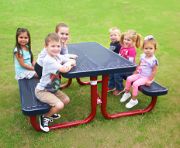
At this age, kids use tables for more structured activities like crafts, group snacks, and early classroom lessons outdoors. Tables with attached benches help keep seating organized and reduce tipping hazards.
Best for: preschool playgrounds, park tot lots, HOA family areas
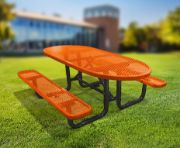
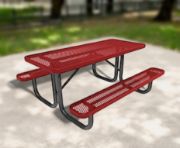
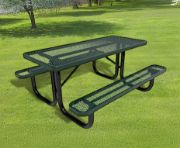
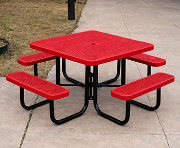
Elementary-Age Picnic Tables (Ages 5–10)
.png)
Older kids need more space and sturdier construction for heavier use.
Recommended dimensions:
Seat height: 14–16 inches
Table height: 22–26 inches
These tables often serve dual purposes — lunch seating and activity stations. Commercial-grade frames (powder-coated steel or heavy recycled plastic) are ideal for schools and parks where tables see constant daily use.
Best for: elementary schools, public parks, recreation centers
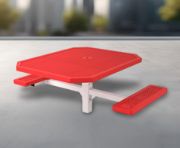
ADA-Accessible Children's Picnic Tables
.png)
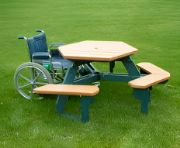
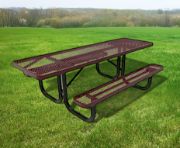
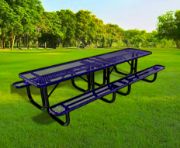
Inclusive playgrounds and schools should include ADA-accessible children’s picnic tables so everyone can participate together.
Key features to look for:
Extended tabletop overhang for wheelchair access
Open-ended seating design
Smooth, stable surfaces
Accessible route leading to the table
ADA-accessible kids picnic tables are specifically designed for children using kid-height wheelchairs rather than adult mobility devices, which means the tabletop is set lower than standard ADA tables to provide comfortable reach and proper knee clearance for younger users. Including even one accessible table in a play area promotes inclusion and shared experiences.
Mixing Sizes in One Space
Many commercial environments benefit from offering more than one size:
Toddler tables near early childhood play areas
Larger tables near main playground structures
Accessible tables along paved paths
This approach supports a wide age range and encourages family-style gathering spaces where siblings of different ages can sit nearby.
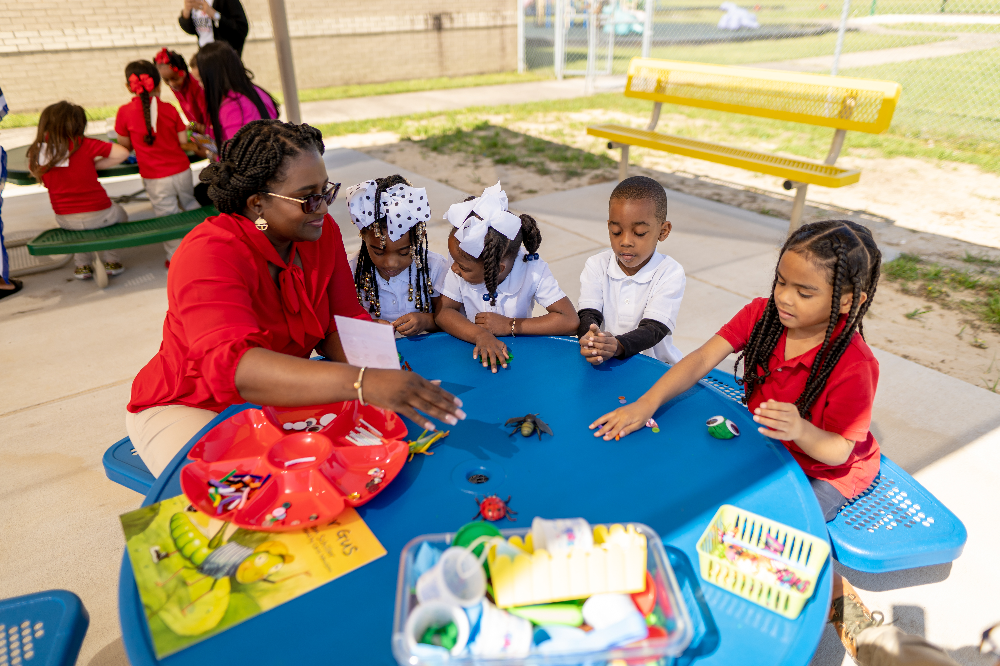
Material Considerations by Age
Material selection should align with the age group using the table most often. For toddlers and younger children, recycled plastic and fiberglass are popular choices because they provide smooth, splinter-free surfaces, rounded edges, and easy cleaning for daycare or early-learning environments. Older children’s picnic tables can expand into additional durable options, including soft-coated steel such as thermoplastic finishes, heavy-duty aluminum, and even pressure-treated or cedar wood that are properly finished to help reduce splinters while offering a more traditional park aesthetic. Choosing age-appropriate materials helps improve safety, comfort, and long-term performance in commercial outdoor spaces.
The right kids picnic table size helps create outdoor spaces that feel safer, more inviting, and easier to use. When children can sit comfortably, get in and out on their own, and participate in activities without struggle, the tables naturally become gathering spots for learning, creativity, and social interaction.
.png)
Leave your comment