
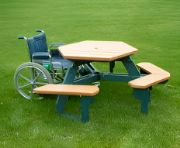
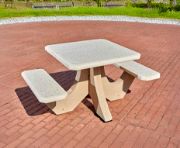
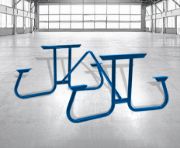
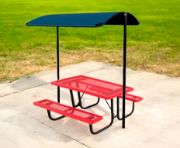
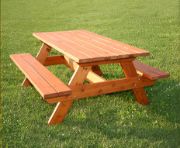
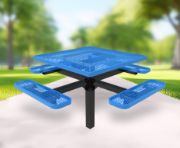
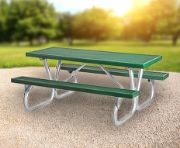
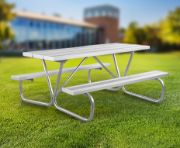
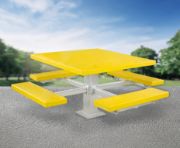
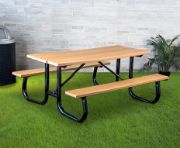
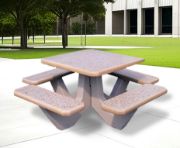
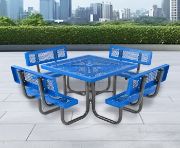
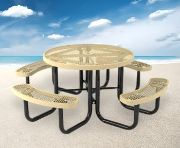
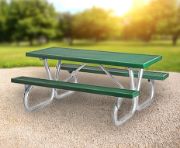
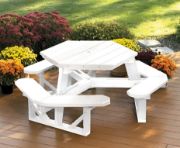
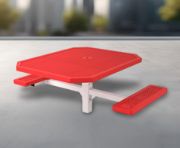
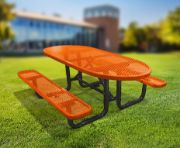
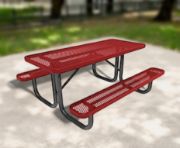
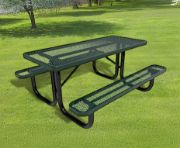
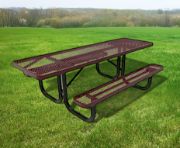
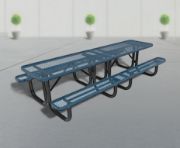
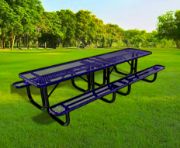
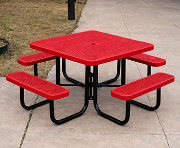
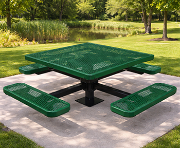
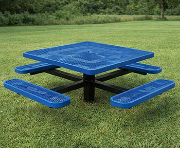






ADA picnic tables are designed to provide accessible outdoor seating for individuals of all abilities while helping parks, schools, municipalities, and commercial properties create more inclusive gathering spaces. Unlike traditional picnic tables, ADA-compliant models incorporate wheelchair-accessible seating positions, appropriate knee and toe clearance, and layouts that allow individuals using mobility devices to comfortably participate in outdoor dining, socializing, and recreational activities.
Commercial ADA picnic tables are commonly installed in parks, playgrounds, campgrounds, schools, universities, apartment communities, corporate campuses, and public recreation areas. Available in a variety of sizes, materials, and accessibility configurations, these tables help organizations accommodate a wider range of users while creating welcoming outdoor environments. Whether you're planning a new park, upgrading an existing facility, or furnishing an outdoor dining area, understanding the differences between ADA picnic table styles can help ensure you select the right solution for your project.


ADA Picnic Tables

KP6J2GWSWC
6 ft. ADA Side Wheelchair Accessible Wooden Picnic Table with Welded 2 3/8" Frame
Provide inclusive outdoor seating with this 6 ft ADA side wheelchair accessible wooden picnic table, built with pressure-treated lumber and a welded steel frame designed for reliable use in public and high-traffic spaces.
$729.95

KP8J2GWSWC
8 ft. ADA Side Wheelchair Accessible Wooden Picnic Table with Welded 2 3/8" Frame
Accessible outdoor seating is simplified with the 8 ft. ADA Side Wheelchair Accessible Wooden Picnic Table with Welded 2 3/8″, designed to provide integrated wheelchair access without sacrificing seating capacity. Southern Yellow Pine planks and a welded steel frame create a durable table suited for parks, schools, and public recreation areas.
$829.95

KP8J2GWEWC
8 ft. ADA Single End Wheelchair Accessible Wooden Picnic Table with Welded 2 3/8" Frame
Support inclusive outdoor dining with this 8 ft ADA single-end wheelchair accessible wooden picnic table, built with Southern Yellow Pine planks and a welded 2 3/8″ galvanized steel frame for parks, schools, and community spaces.
$864.95

KP8J2GWSEWC
8 ft. ADA Single End and Side Wheelchair Accessible Wooden Picnic Table with Welded 2 3/8" Frame
Promote inclusive outdoor dining with this 8 ft ADA single-end and side wheelchair accessible wooden picnic table, built with pressure-treated Southern Yellow Pine planks and a welded 2 3/8″ galvanized steel frame for parks, schools, and community spaces.
$864.95


KP6J2GA-SWC
6 ft. ADA Side Rectangle Aluminum Picnic Table with Welded 2 3/8" Frame
Thoughtfully configured for accessibility, this commercial 6 ft. aluminum picnic table features a welded 2 3/8″ frame and ADA-compliant overhang to support inclusive outdoor seating.
$994.95


KP8J2GASWC
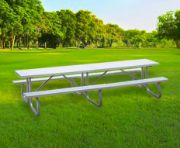
8 ft. ADA Side Wheelchair Accessible Aluminum Picnic Table with Welded 2 3/8" Frame
Accessible outdoor seating meets commercial performance with this 8 ft. aluminum ADA side picnic table featuring a welded 2 3/8″ galvanized frame and extended overhang for wheelchair access.
$1,094.95

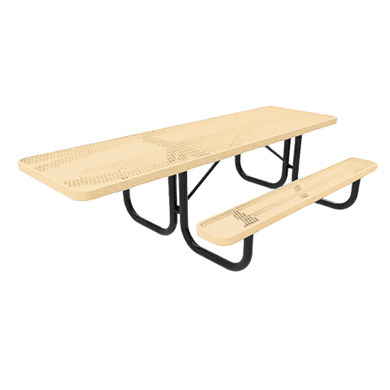
TRT08-CD-01-001
8 ft. ELITE ADA Single End Rectangular Thermoplastic Steel Picnic Table
Built for inclusive outdoor dining, this 8 ft. ELITE ADA Single End Rectangular Thermoplastic Steel Picnic Table offers commercial-grade strength with an accessible layout that supports wheelchair access and everyday facility use.
$1,134.95

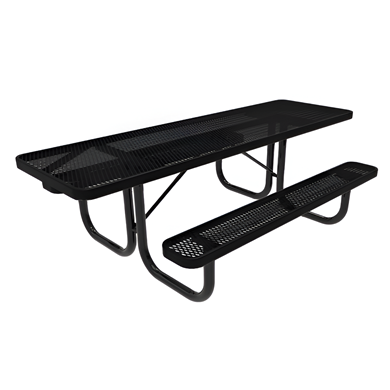
TRT08-CD-01-002
8 ft. ELITE ADA Double End Rectangular Thermoplastic Steel Picnic Table
Designed for inclusive outdoor dining, this 8 ft. ELITE ADA Double End Rectangular Thermoplastic Steel Picnic Table delivers commercial-grade stability with wheelchair accessibility at both ends for facility-ready performance.
$1,134.95


KP8J2GASEWC
8 ft. ADA Single End and Side Access Aluminum Picnic Table with Welded 2 3/8" Frame
Inclusive and commercial-ready, this 8 ft. ADA aluminum picnic table features a welded 2 3/8″ galvanized steel frame and extended access on both the end and side for wheelchair users.
$1,139.95


LCT8XP-ADA
8 ft. ADA Double End Rectangular Expanded Thermoplastic Picnic Table
Plan inclusive and organized outdoor seating with this 8 ft. ADA Double End Rectangular Expanded Thermoplastic Picnic Table, engineered for wheelchair access and efficient layout in parks and campuses.
$1,209.95


LCYT8XP-ADA
8 Ft. ADA Y-Frame Double End Rectangular Expanded Thermoplastic Picnic Table
This 8 ft. ADA Y-Frame Double End Rectangular Expanded Thermoplastic Picnic Table delivers facility-ready strength with inclusive access and lasting performance for parks, campuses, and outdoor amenity spaces.
$1,219.95


LCT46SQP-ADA-CHILD
46" Childrens 3 Seat ADA Wheelchair Accessible Square Thermoplastic Steel Picnic Table
Make outdoor spaces more inclusive with this 46″ Childrens 3‑Seat ADA Wheelchair Accessible Square Thermoplastic Steel Picnic Table, designed for comfort and universal access in parks and schools.
$1,234.95


LCT46SQ-ADA
46" x 58" ADA 3-Seat Square Thermoplastic Expanded Steel Picnic Table
Built for accessible outdoor seating, this 46" x 58" ADA 3-seat square thermoplastic expanded steel picnic table with black galvanized steel frame delivers commercial-grade corrosion resistance and inclusive performance for parks, campuses, and shared spaces.
$1,234.95

WCT6ULHDCP
6 ft. Ultra Leisure Style ADA Compliant Wheelchair Accessible Rectangular Thermoplastic Steel Picnic Table
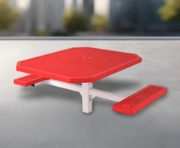
Commercial-grade octagonal thermoplastic steel picnic table with a space-saving pedestal design and two attached seats, ideal for tight outdoor areas where durability and easy maintenance matter.
$1,234.95


LCYT8XP-ADA-PERF
8 Ft. ADA Y-Frame Double End Rectangular Perforated Thermoplastic Picnic Table
This 8 ft. ADA Y-Frame Double End Rectangular Perforated Thermoplastic Picnic Table delivers a commercial-grade mix of inclusive access and rugged durability for parks, campuses, and community seating zones.
$1,244.95


LCT8XP-ADA-PERF
8 ft. ADA Double End Rectangular Perforated Thermoplastic Picnic Table
Serve inclusive outdoor seating with this 8 ft. ADA Double End Rectangular Perforated Thermoplastic Picnic Table — a commercial-grade solution built for parks, campuses, and community spaces.
$1,244.95


WCT46UL-3ADA
46" x 55" ADA Ultra Leisure Style 3-Seat Square Thermoplastic Steel Picnic Table, Portable
Promote comfortable, accessible outdoor gatherings with this 46″ x 55″ ADA Ultra Leisure Style 3‑Seat Square Thermoplastic Steel Picnic Table, designed for inclusive use in commercial spaces.
$1,187.45 $1,249.95

LCT46SQP-ADA-CHILD-PERF
46" Children's ADA Square Perforated Picnic Table
Sized for youth-friendly spaces, this 46″ Children’s ADA Square Perforated Picnic Table pairs commercial-grade steel strength with accessible design for playgrounds, schools, and park settings.
$1,269.95


TSQ46-CD-04-013
46" x 54” ADA ELITE 3-Seat Square Thermoplastic Picnic Table
Ideal for accessible outdoor dining, this 46″ x 54″ ADA ELITE 3-Seat Square Thermoplastic Picnic Table delivers commercial-grade strength with thoughtful wheelchair-accessible design and lasting performance.
$1,269.95


LCRO46P-ADA
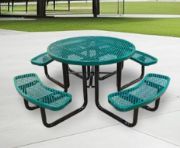
46" ADA 3-Seat Compliant Single Post Thermoplastic Expanded Metal Round Picnic Table, Inground Mount
A robust, accessible seating solution, this 46″ ADA 3-Seat Compliant Single Post Thermoplastic Expanded Metal Round Picnic Table with inground mount delivers commercial-grade performance for parks, campuses, and outdoor venues.
$1,334.95


TSQ46-CD-04-012
46" x 62” ADA ELITE 2-Seat Square Thermoplastic Picnic Table
Built for accessible and durable outdoor seating, this 46″ x 62″ ADA ELITE 2-Seat Square Thermoplastic Picnic Table combines commercial-grade strength with inclusive design ideal for parks, campuses, and community spaces.
$1,339.95

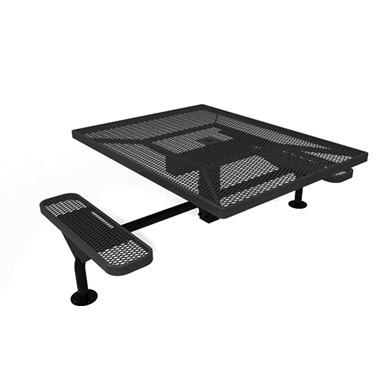
TSQ46-CD-512-012
46” x 62” ELITE Nexus 2-Seat Square Thermoplastic Steel Picnic Table
Designed for focused seating areas, this 46″ x 62″ ELITE Nexus 2-seat square thermoplastic steel picnic table delivers facility-ready durability and easy maintenance for campuses, parks, and outdoor gathering zones.
$1,349.95


TSQ46-CD-4950-013
46” x 54” ELITE Nexus 3-Seat Square Thermoplastic Steel Picnic Table
Perfect for compact outdoor seating zones, this 46″ x 54″ ELITE Nexus 3-seat square thermoplastic steel picnic table combines commercial-grade corrosion resistance with an interactive layout ideal for parks, campuses, and public plazas.
$1,369.95

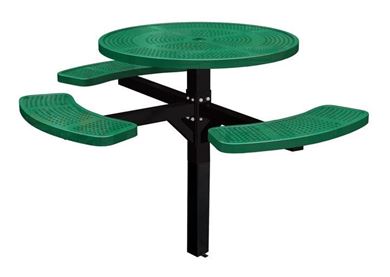
LCRO46P-ADA-PERF
46" ADA 3-Seat Compliant Single Post Thermoplastic Perforated Metal Round Picnic Table, Inground Mount
This ADA-compliant 46″ round picnic table combines perforated thermoplastic metal with a single-post inground frame for stable, high-traffic outdoor seating that supports inclusive environments. Tables ship unassembled and require easy assembly.
$1,379.95


LCSQ46P-ADA-PERF
46" ADA 3-Seat Compliant Single Post Thermoplastic Perforated Metal Square Picnic Table, Inground Mount
This ADA-compliant 46″ square picnic table features perforated thermoplastic-coated metal and a single post inground frame for stable, accessible outdoor seating in parks, campuses, and facility spaces. Tables ship unassembled and require easy assembly.
$1,409.95

KP6J2GRRPSWC
6 ft. ADA Side Rectangle Recycled Plastic Picnic Table with Welded 2 3/8" Frame
Commercial-grade ADA-compliant 6′ recycled plastic picnic table with a welded 2 3/8″ steel frame, engineered for heavy traffic and easy side wheelchair access in public facilities. Ideal for parks, campuses, and community spaces where accessibility and durability matter.
$1,424.95

WCT6RCHDCP
6 ft. ADA Single End Regal Style Rectangular Thermoplastic Steel Picnic Table
Design accessible and organized outdoor seating with the 6 ft. ADA Single End Regal Style Rectangular Thermoplastic Steel Picnic Table, ideal for parks and campuses where clear flow matters.
$1,429.95


TOT46-CD-04-013
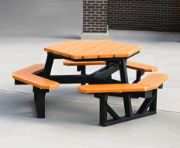
46" x 54” ADA ELITE 3-Seat Octagon Thermoplastic Picnic Table
Streamline upkeep with the 46″ x 54″ ADA ELITE 3‑Seat Octagon Thermoplastic Picnic Table, designed for easy cleaning and reliable performance in busy commercial outdoor environments.
$1,434.95


WCT6INNVHDCP
6 ft. ADA Single End Access Innovated Style Rectangular Thermoplastic Steel Picnic Table, Portable
Accessibility meets everyday durability with the 6 ft. ADA Single End Access Innovated Style Rectangular Thermoplastic Steel Picnic Table, designed to create inclusive seating areas in parks, campuses, and public facilities.
$1,484.95

WCT8RCHDCP
8 ft. ADA Single End Regal Style Rectangular Thermoplastic Steel Picnic Table
Upgrade accessible outdoor seating with the 8 ft. ADA Single End Regal Style Rectangular Thermoplastic Steel Picnic Table, a heavy-duty, low-maintenance option built for high-traffic public spaces. Ships unassembled and requires easy assembly for a consistent, facility-ready install.
$1,489.95
What Makes a Picnic Table ADA Compliant?
A picnic table is not automatically ADA compliant simply because it includes an extended tabletop. ADA picnic tables are designed with specific accessibility considerations that help individuals using wheelchairs or mobility devices comfortably access and utilize the table.
Key features commonly found in ADA-compliant picnic tables include wheelchair-accessible seating positions, sufficient knee and toe clearance beneath the tabletop, and appropriate approach space around the table. The surrounding site conditions are equally important. Accessible routes leading to the picnic area and stable, firm surfaces help ensure users can safely reach and utilize the table.
For a more detailed explanation, see our guide on What Makes a Picnic Table ADA Compliant?
How to Choose the Right ADA Picnic Table
Accessibility Configuration
ADA picnic tables are available with single-end access, double-end access, and side-access configurations. Facilities expecting higher usage often select double-end models because they provide greater flexibility and accommodate multiple wheelchair users.
Table Size and Seating Capacity
ADA picnic tables can vary significantly in seating capacity depending on how the wheelchair-accessible seating position is designed. Some models create the accessible space by shortening one or more attached benches. For example, an 8-foot ADA picnic table may include a 6-foot bench to provide wheelchair access beneath the tabletop.
Other designs utilize specialized Y-shaped support frames that allow the benches to remain the same length as the tabletop while still providing accessible seating. When comparing ADA picnic tables, it is important to review both the overall table length and the actual bench length to ensure the seating capacity meets your project's needs.
Material Selection
Material affects appearance, maintenance requirements, and long-term performance. Thermoplastic-coated steel, recycled plastic, aluminum, fiberglass, concrete, and wood each offer unique advantages depending on the environment and expected usage levels.
Mounting Requirements
Portable ADA picnic tables offer flexibility and can be relocated as site needs change. Surface-mounted and inground-mounted ADA picnic tables provide additional security and help prevent unwanted movement in public environments.
Securing an ADA picnic table to the ground can also help maintain the intended accessible layout of the site. If a portable table is moved, the required clearances and accessible routes surrounding the table may be reduced or obstructed. By fixing the table in place, facility managers can help ensure wheelchair users continue to have the appropriate maneuvering space and access intended during the site's design and installation. It can also make the table more stable.
Long-Term Value
The lowest initial purchase price may not always deliver the lowest lifetime cost. Durable commercial-grade materials often reduce maintenance expenses and extend service life in demanding outdoor environments.
Types of ADA Picnic Tables
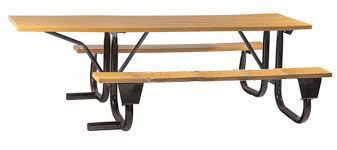
Single-End ADA Picnic Tables
Single-end ADA picnic tables provide one wheelchair-accessible seating position at the end of the table. These models are among the most common ADA configurations and are often selected for parks, schools, campgrounds, and municipal facilities. They offer an accessible seating area while maintaining a familiar picnic table layout.
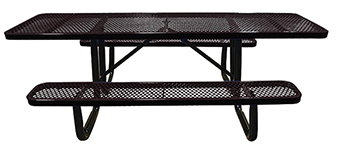
Double-End ADA Picnic Tables
Double-end ADA picnic tables provide wheelchair-accessible seating positions at both ends of the table. This design offers greater flexibility for public spaces with higher visitor traffic and allows multiple users utilizing mobility devices to comfortably access the table. These models are frequently specified for larger parks, universities, and recreation areas.
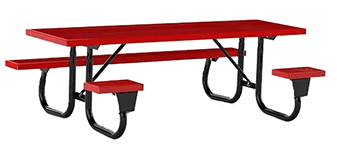
Side-Access ADA Picnic Tables
Side-access ADA picnic tables place the wheelchair-accessible seating position along the side of the table rather than at the ends. These configurations can be beneficial when site layouts, pedestrian traffic patterns, or seating arrangements make side access more practical. Side-access models are often used in courtyards, outdoor dining areas, and locations where space planning requires a different approach than traditional end-access designs.
When comparing ADA picnic table styles, buyers should consider both accessibility requirements and available space. End-access designs are typically the most common, while side-access configurations may provide additional flexibility in certain installations.
ADA Picnic Table Comparison Guide
| Style | Accessible Seating Positions | Best For | Space Required |
|---|---|---|---|
| Single-End ADA | 1 | Schools, Parks, Campgrounds | Moderate |
| Double-End ADA | 2 | Universities, Large Parks, Public Facilities | Higher |
| Side-Access ADA | 1 or More | Courtyards, Dining Areas, Unique Site Layouts | Varies by Design |
Materials and Maintenance
The material selected for an ADA picnic table affects its appearance, maintenance requirements, durability, and long-term ownership costs. Choosing the right material depends on the intended environment, expected usage levels, and the overall aesthetic goals of the project.
Thermoplastic-Coated Steel
Thermoplastic-coated steel remains one of the most popular choices for commercial ADA picnic tables. The protective coating helps resist weather exposure, fading, and wear while requiring minimal maintenance. These tables are commonly found in parks, schools, campgrounds, and municipal facilities.
Recycled Plastic
Recycled plastic picnic tables offer excellent resistance to moisture, insects, and rot. Because the material does not require painting or sealing, it is often selected by organizations seeking a low-maintenance solution for outdoor environments.
Fiberglass
Fiberglass picnic tables provide a smooth, easy-to-clean surface and are frequently used in parks, schools, and outdoor dining areas. They resist many common weather-related issues and can offer a long service life with relatively little upkeep.
Concrete
Concrete ADA picnic tables are often chosen for high-traffic public spaces where durability and permanence are priorities. Their substantial weight helps deter theft and vandalism, making them a popular option for parks, rest areas, and municipal facilities. While concrete requires very little routine maintenance, it is generally intended for permanent installations.
Wood
Wood ADA picnic tables provide a traditional, natural appearance that complements parks, campgrounds, and rustic outdoor settings. While many buyers appreciate their aesthetic appeal, wood tables generally require more maintenance than other materials and may need periodic sealing, staining, or repairs to maintain their appearance and performance over time.
ADA Picnic Tables for Commercial Projects
ADA picnic tables are frequently specified for commercial construction projects, municipal park upgrades, educational campuses, campground improvements, and public recreation developments. Landscape architects, contractors, facility managers, and parks departments often select ADA-compliant tables to help create accessible outdoor gathering spaces while meeting project requirements.
Where Should ADA Picnic Tables Be Installed?
Parks and Recreation Areas
Accessible picnic tables help ensure community members of all abilities can enjoy outdoor recreational spaces.
Schools and Universities
Educational facilities commonly install ADA picnic tables in outdoor classrooms, lunch areas, and student gathering spaces.
Campgrounds and RV Parks
Accessible outdoor seating helps improve the guest experience and broaden accessibility throughout recreational facilities.
Corporate Campuses
Employee break areas and outdoor collaboration spaces often incorporate ADA picnic tables to support workplace accessibility initiatives.
HOA Communities and Multifamily Properties
Shared amenity spaces benefit from inclusive seating solutions that accommodate residents and visitors of varying abilities.
Common ADA Picnic Table Buying Mistakes
- Selecting a table without considering overall site accessibility.
- Failing to provide sufficient maneuvering space around the table.
- Choosing materials that are not suitable for the local climate.
- Overlooking mounting requirements for high-traffic public locations.
- Installing ADA tables on surfaces that are difficult for mobility devices to navigate.
- Providing too few accessible seating options in larger picnic areas.
Installation and Site Planning Considerations
Accessible Routes
ADA picnic tables should connect to accessible pathways that allow visitors to travel comfortably throughout the site.
Surface Conditions
Concrete, asphalt, and other stable surfaces generally provide the best accessibility for outdoor picnic areas.
Table Security
Public facilities often utilize surface-mounted or inground-mounted tables to reduce movement, vandalism, and theft concerns.
Learn more in our guide on How to Secure Commercial Picnic Tables.
ADA Picnic Table Buyer Checklist
- Determine the number of accessible seating positions needed.
- Evaluate available installation space.
- Select the appropriate mounting method.
- Choose a material suited for the environment.
- Consider long-term maintenance requirements.
- Review anticipated traffic levels.
- Verify accessible routes and surrounding surfaces.
- Establish project budget requirements.
Frequently Asked Questions
What makes a picnic table ADA compliant?
ADA picnic tables typically provide accessible seating positions, knee and toe clearance, and accessible approach areas.
How many ADA picnic tables should be installed?
Many public projects follow accessibility guidelines requiring at least one accessible picnic table or approximately 5% of picnic tables to be accessible, although exact requirements can vary based on the facility type, funding source, and applicable federal, state, or local codes.
Can ADA picnic tables be surface mounted?
Yes. Many ADA picnic tables are available in portable, surface-mount, and inground-mount configurations.
Are ADA picnic tables available with attached benches?
Yes. Many commercial ADA picnic tables include attached seating while still providing designated accessible seating positions.
Can ADA picnic tables be installed on grass?
Accessible routes and stable surfaces should be considered when determining the best installation location.
What is the best material for an ADA picnic table?
Thermoplastic-coated steel and recycled plastic remain among the most popular commercial options due to their durability and low maintenance requirements.
Should ADA picnic tables be anchored?
Many public facilities choose surface-mounted or inground-mounted models to improve security and stability, while also keeping accessible routes clear.
What is the difference between ADA and wheelchair-accessible picnic tables?
The terms are often used interchangeably, but buyers should always verify that a table meets the accessibility requirements of their specific project.
Do ADA picnic tables seat fewer people than standard picnic tables?
Some ADA picnic table designs reduce bench length to create the required wheelchair-accessible seating area, which can decrease overall seating capacity. Other designs use specialized frame configurations, such as Y-shaped supports, that allow the benches to remain full length while still providing accessible seating. Reviewing both table dimensions and actual bench length can help ensure the table meets your seating requirements.